

Design of Quicklime Pneumatic Conveying Equipment
Quicklime, or calcium oxide, is a critical industrial material widely used in cement production, chemical processing, and metallurgical applications. Efficient and reliable transportation of quicklime from storage to processing units is essential for maintaining production continuity and minimizing operational costs. Pneumatic conveying systems offer a robust solution for handling quicklime, leveraging compressed air to transport the material through a sealed pipeline network. This article outlines the key design principles and engineering considerations for developing an effective quicklime pneumatic conveying system, with a focus on the expertise of Shandong HeadPowder Engineering Co., Ltd.
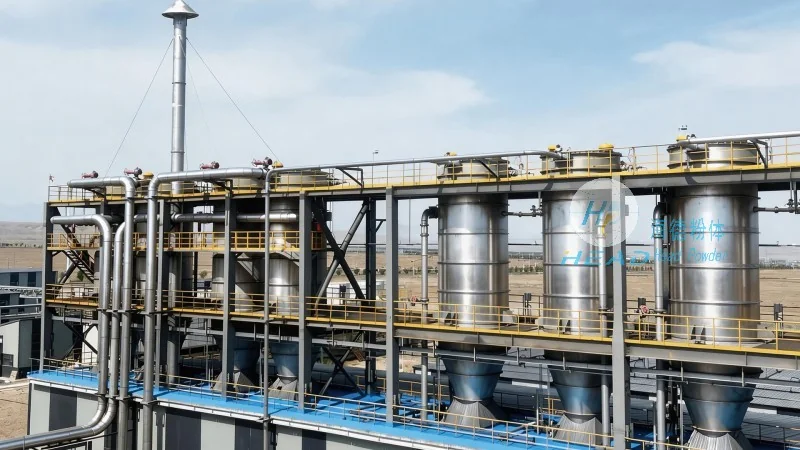
Introduction to Quicklime Pneumatic Conveying Systems
Quicklime is characterized by its high reactivity, abrasive nature, and tendency to generate dust when handled. Traditional methods like belt conveyors or bucket elevators may not be suitable due to the material's properties, as they can lead to material degradation, equipment wear, and safety hazards. Pneumatic conveying systems provide a dust-free, enclosed transport solution that minimizes environmental impact and ensures consistent material quality. The core of a pneumatic conveying system is the ability to generate sufficient air velocity to lift and transport the quicklime particles through the pipeline. This is achieved by using a combination of positive displacement blowers or centrifugal fans, which create the necessary pressure and airflow to move the material.
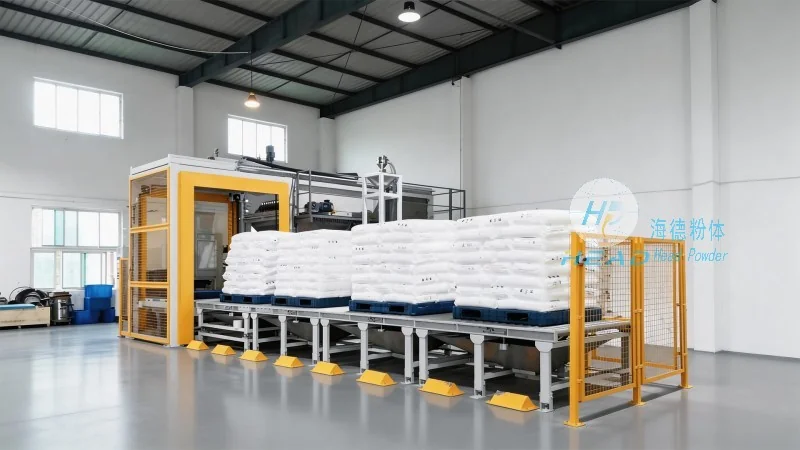
Key Design Considerations for Efficient Quicklime Conveying
Designing a successful quicklime pneumatic conveying system requires careful consideration of several factors to ensure optimal performance and longevity. The first critical factor is the material's physical properties, including particle size distribution, bulk density, and moisture content. These characteristics directly impact the air velocity and pressure required for effective transport. For example, larger or denser particles may necessitate higher air velocities to prevent settling or blockages in the pipeline. Another key consideration is the distance and layout of the conveying route. Longer distances or complex routing may require additional boosters or larger diameter pipelines to maintain sufficient pressure and prevent pressure drop. The system's pressure and flow rate must be matched to the specific application requirements, balancing efficiency with energy consumption. Additionally, the selection of materials for the conveying components is crucial. Quicklime is highly corrosive and abrasive, so components such as hoppers, pipelines, and separation vessels must be constructed from durable, corrosion-resistant materials like stainless steel or specialized alloys to withstand wear and chemical attack over time.
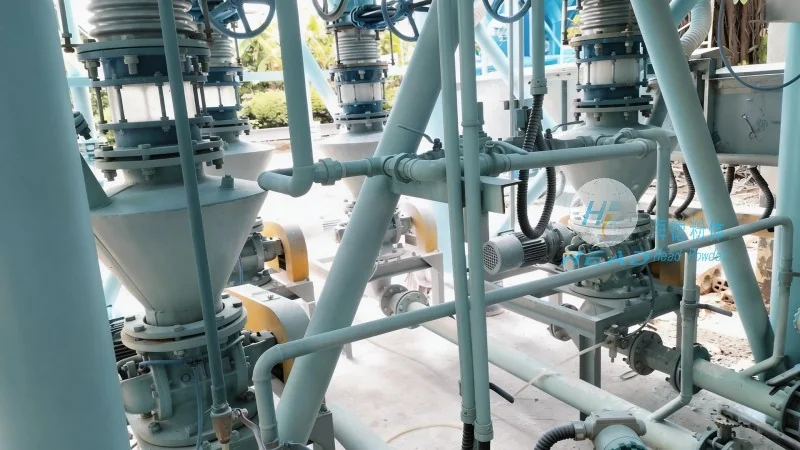
Components of a Typical Quicklime Pneumatic Conveying System
A standard quicklime pneumatic conveying system consists of several interconnected components working in tandem to achieve efficient material transport. The primary components include a material feed hopper, which stores and feeds the quicklime into the system. The hopper is equipped with a rotary valve or feeder to control the flow rate and prevent material buildup. The air source, typically a high-pressure blower or fan, generates the necessary airflow to move the material. The conveying pipeline, usually made of stainless steel or plastic, transports the quicklime-air mixture from the feed point to the destination. At the receiving end, a separation system, such as a cyclone or bag filter, separates the quicklime from the air. The separated air is then either recirculated or vented, while the quicklime is discharged into the processing unit. The system may also include pressure relief valves and safety interlocks to ensure operational safety and compliance with industrial standards.
Engineering Approach by Shandong HeadPowder Engineering Co., Ltd.
Shandong HeadPowder Engineering Co., Ltd., a leading provider of bulk material handling solutions, specializes in designing customized quicklime pneumatic conveying systems tailored to the unique needs of each client. The company's engineering team conducts thorough site assessments to understand the operational environment, material characteristics, and production goals. Based on this analysis, they develop comprehensive design plans that incorporate the latest technology and best practices in pneumatic conveying. HeadPowder engineers consider factors such as the required conveying capacity, distance, and environmental regulations to create a system that maximizes efficiency while minimizing energy consumption and maintenance costs. The company uses advanced computational fluid dynamics (CFD) simulations to model the system's performance, ensuring that the design meets or exceeds industry standards for reliability and durability. All components are manufactured using high-quality materials and undergo rigorous testing to guarantee performance and safety. The engineering team also provides comprehensive installation and commissioning services, ensuring that the system is operational and optimized from day one. With a strong focus on customer satisfaction and long-term partnership, HeadPowder Engineering delivers solutions that enhance productivity and reduce operational risks for its clients.
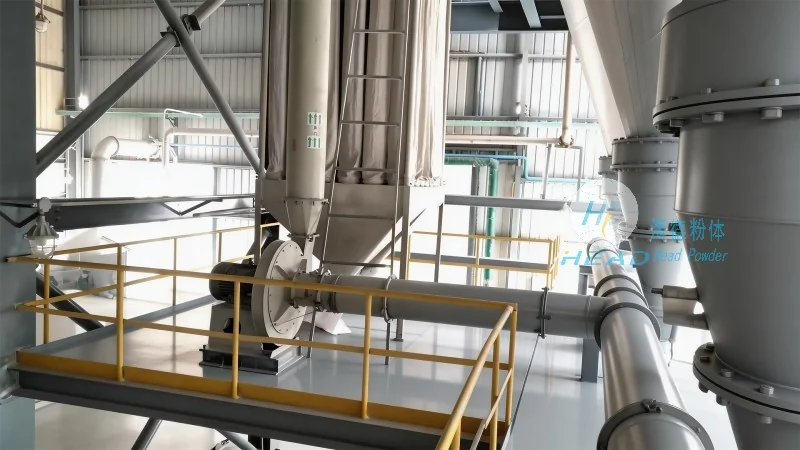
Applications and Benefits
Quicklime pneumatic conveying systems are widely used in various industrial sectors, including cement manufacturing, chemical processing, and metallurgy. In cement plants, these systems efficiently transport quicklime from storage silos to the raw material preparation area, ensuring a steady supply of material for clinker production. In chemical plants, they handle quicklime for processes such as flue gas desulfurization and chemical synthesis, where consistent material quality is critical. The benefits of using pneumatic conveying for quicklime include improved safety by eliminating dust exposure, reduced material loss and degradation, lower maintenance costs due to enclosed systems, and increased operational flexibility. Additionally, the systems can be easily integrated with existing production lines, allowing for seamless expansion or modification of the facility. By leveraging the expertise of companies like Shandong HeadPowder Engineering Co., Ltd., industries can achieve reliable, efficient, and cost-effective quicklime handling solutions that meet their specific requirements and contribute to overall operational excellence.