

Principle of Pulverized Fly Ash Pneumatic Conveying Equipment
HeadPowder, a leading engineering firm based in Shandong, China, specializes in the design and manufacturing of advanced pneumatic conveying equipment tailored for the efficient handling of pulverized fly ash. This article delves into the fundamental principles underlying such systems, emphasizing the technical aspects that ensure reliable and cost-effective material transport.
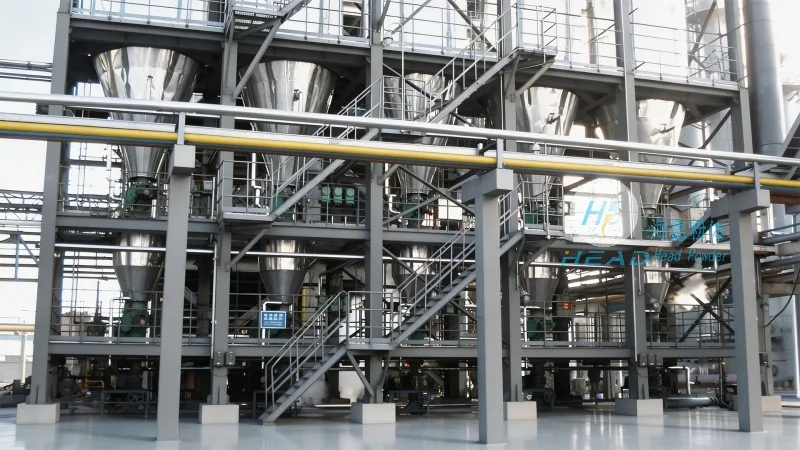
Understanding Pneumatic Conveying Technology
Pneumatic conveying systems utilize air or gas as the medium to transport bulk materials like pulverized fly ash from one location to another. The core principle involves creating a pressure differential or using vacuum to move the material through a pipeline. There are primarily two types of pneumatic conveying: pressure and vacuum systems. Pressure systems operate by forcing air or gas into a sealed pipeline, while vacuum systems create a negative pressure to draw material into the system. For fly ash, which is typically fine and abrasive, the choice of system and design parameters is critical to prevent blockages and ensure consistent performance.
Key Components and Their Functions
The effectiveness of a pneumatic conveying system for fly ash depends on several key components, each playing a vital role in the overall operation. The primary components include the hopper or feeder, which stores and feeds the fly ash into the system; the conveying line, which transports the material; the air or gas source, which provides the necessary pressure or vacuum; and the control system, which regulates the flow and pressure. The hopper is designed to maintain a consistent material level and prevent air leakage, while the feeder ensures a steady flow rate. The conveying line is typically made of materials resistant to abrasion, such as stainless steel or special alloys, to withstand the wear from fine particles. The air source, often a blower or compressor, is selected based on the required pressure and flow rate. The control system monitors parameters like pressure, flow rate, and material level, allowing for real-time adjustments to maintain optimal operation.
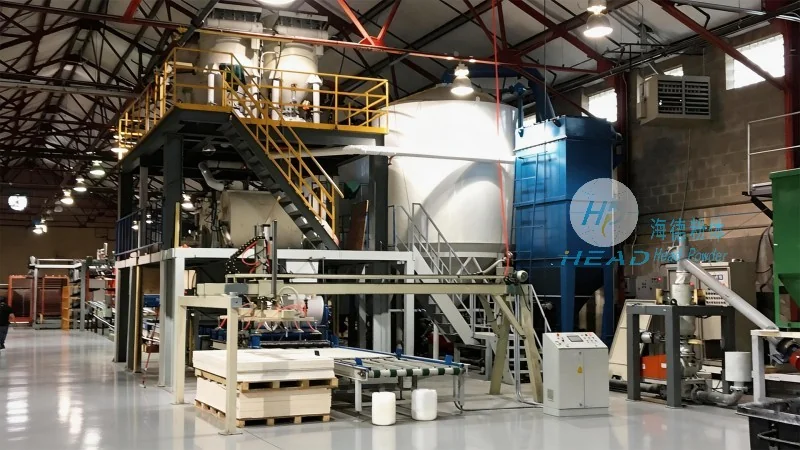
Advantages of Pneumatic Conveying for Fly Ash
Compared to traditional mechanical conveying methods, pneumatic systems offer several advantages when handling pulverized fly ash. These include the ability to transport materials over long distances without the need for multiple transfer points, reduced risk of material contamination due to enclosed pipelines, and lower maintenance requirements as there are fewer moving parts. Additionally, pneumatic conveying can handle materials with varying particle sizes and moisture content, making it versatile for different applications. The system also allows for integration with other processes, such as dust collection and material storage, enhancing overall operational efficiency. For industrial facilities dealing with fly ash, these benefits translate into improved productivity, reduced downtime, and lower operational costs.
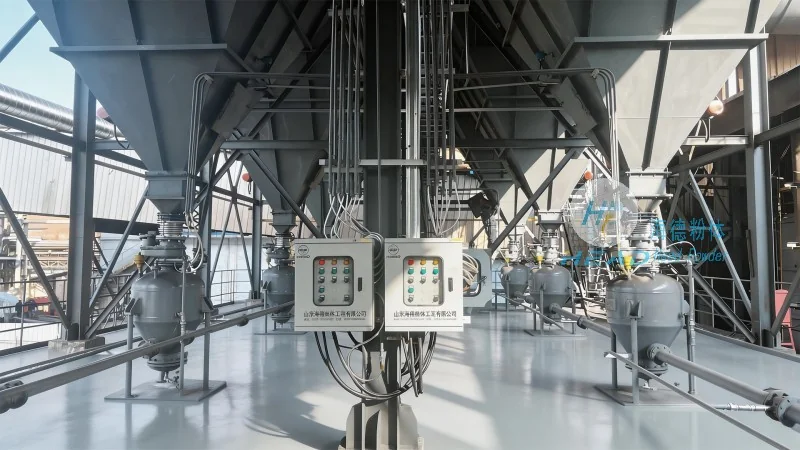
Application Scenarios and Customization
HeadPowder's pneumatic conveying equipment is designed to meet the specific needs of various industrial applications. Common scenarios include transporting fly ash from power plants to disposal sites or recycling facilities, feeding fly ash into cement or concrete production lines, and handling fly ash in environmental remediation projects. The company offers customized solutions based on factors such as the distance of transport, the volume of material, and the required flow rate. For example, for long-distance transport, high-pressure systems may be employed, while for shorter distances, vacuum systems might be more suitable. The design also considers the characteristics of the fly ash, such as its fineness and abrasiveness, to ensure the system can handle the material without degradation or blockage. Customization may also involve integrating additional features like dust collection or material drying to meet specific client requirements.
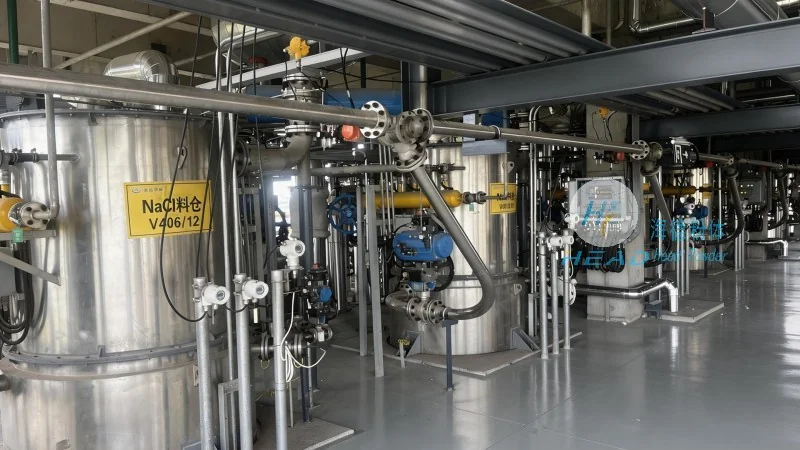
Maintenance and Operational Considerations
Proper maintenance is essential to ensure the longevity and reliability of pneumatic conveying systems for fly ash. Regular inspection of components like the hopper, feeder, and conveying line is necessary to detect any signs of wear or damage. The air or gas source should be checked for proper operation and cleaned regularly to prevent clogging. The control system should be calibrated periodically to maintain accurate monitoring of pressure and flow. For abrasive materials like fly ash, the wear on the conveying line and other components is a significant concern. HeadPowder recommends using high-quality materials and possibly adding protective coatings or liners to extend the lifespan of the equipment. Additionally, implementing a preventive maintenance schedule can help identify potential issues before they lead to system failures, ensuring consistent performance and minimizing downtime.
Conclusion
In conclusion, pneumatic conveying systems provide an efficient and reliable method for handling pulverized fly ash, offering significant advantages over traditional mechanical methods. HeadPowder, with its expertise in engineering and manufacturing, offers tailored solutions that address the unique challenges of fly ash transport. By understanding the fundamental principles and key components of these systems, industrial facilities can optimize their material handling processes, improve operational efficiency, and reduce costs. The company's commitment to quality and customization ensures that clients receive equipment that meets their specific needs and delivers long-term performance.