

Conveying Methods for Stabilizer Powders: An Introduction to HeadPowder's Pneumatic Conveying Solutions
When it comes to transporting stabilizer powders efficiently and reliably, selecting the right conveying method is crucial for industrial operations. Stabilizer powders, often used in various manufacturing processes, require specialized handling to maintain their quality and prevent issues like caking or segregation. Among the available options, pneumatic conveying stands out as a preferred solution for many industries due to its flexibility, efficiency, and ability to handle a wide range of powder characteristics.
Understanding Stabilizer Powder Properties and Conveying Challenges
Before delving into specific conveying methods, it's essential to understand the unique properties of stabilizer powders. These materials can vary significantly in terms of particle size, moisture content, flowability, and bulk density. For instance, some stabilizers may be fine and fine-grained, while others might be coarser with higher bulk density. These variations directly impact the choice of conveying system, as certain methods are better suited for specific powder types.
Common Conveying Methods for Stabilizer Powders
Several conventional methods are used for transporting stabilizer powders, including screw conveyors, belt conveyors, and bucket elevators. However, each of these has limitations when dealing with fine or cohesive powders. Screw conveyors, for example, can cause powder degradation and blockages due to friction and shear forces. Belt conveyors are effective for bulkier materials but may not handle fine powders without additional dust control measures. Bucket elevators are suitable for vertical transport but can struggle with powders that tend to stick to the sides, leading to uneven flow and potential downtime.
HeadPowder's Pneumatic Conveying System: A Superior Solution
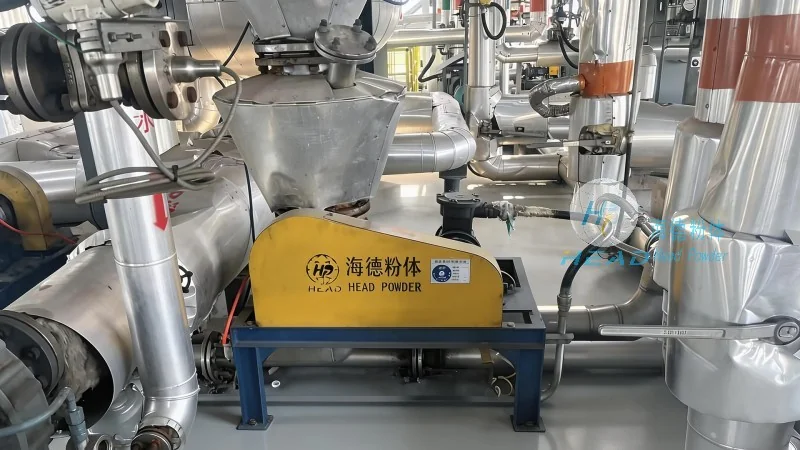
HeadPowder, a leading provider of industrial conveying solutions, offers advanced pneumatic conveying systems specifically designed for stabilizer powders. The company's expertise lies in developing customized systems that address the unique challenges of handling these materials. By utilizing air as the conveying medium, their systems ensure minimal product degradation, maintain product integrity, and provide a clean, dust-free operation. The pneumatic conveying method employed by HeadPowder is particularly effective for fine, dry stabilizer powders, as it prevents particle attrition and reduces the risk of agglomeration.
Key Features of HeadPowder's Pneumatic Conveying System
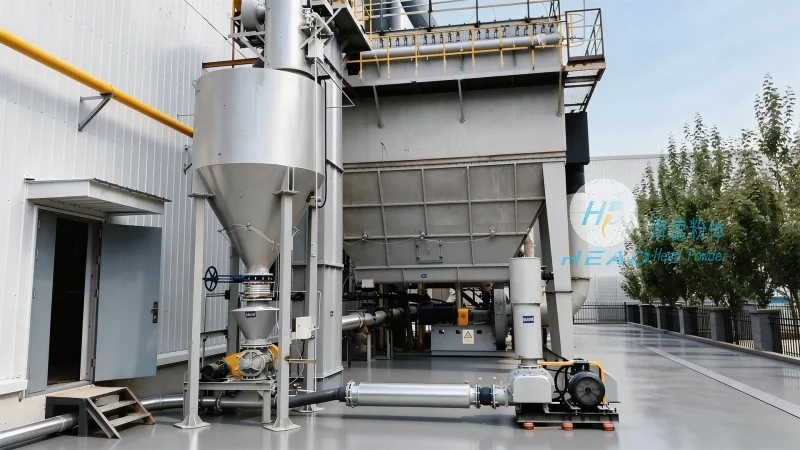
HeadPowder's pneumatic conveying system incorporates several key features that enhance its performance and reliability. One of the primary advantages is the use of positive pressure or negative pressure systems, depending on the application requirements. Positive pressure systems are ideal for long-distance or high-capacity conveying, as they can maintain consistent air flow and prevent material buildup in the pipeline. Negative pressure systems, on the other hand, are suitable for applications where dust control is a priority, as they create a sealed environment that minimizes particle leakage.
Another critical feature is the system's ability to handle varying powder characteristics. HeadPowder's engineers design custom components, such as specialized nozzles, filters, and cyclones, to accommodate different particle sizes and flowability. This adaptability ensures that the system operates efficiently regardless of the stabilizer powder's properties. Additionally, the system includes advanced control mechanisms that monitor air pressure, flow rate, and material level, providing real-time feedback and allowing for immediate adjustments if any issues arise.
Benefits of Choosing HeadPowder's Pneumatic Conveying System
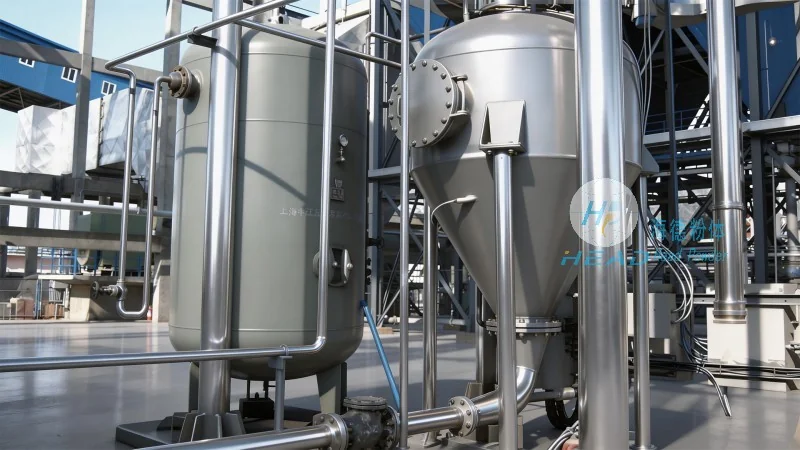
Implementing HeadPowder's pneumatic conveying system for stabilizer powders offers numerous benefits for industrial operations. First and foremost, it significantly improves operational efficiency by reducing downtime and maintenance costs. The system's ability to handle fine powders without degradation minimizes product loss and extends the lifespan of downstream equipment. Furthermore, the dust-free operation enhances workplace safety and compliance with environmental regulations, as it prevents airborne particle emissions that could affect air quality.
Another advantage is the system's scalability. HeadPowder can design and install systems tailored to the specific needs of a facility, whether it's a small-scale operation or a large industrial plant. This flexibility allows businesses to start with a basic system and expand it as their production needs grow, without the need for significant overhauls. The company's commitment to quality and customer support also ensures that clients receive ongoing assistance and maintenance services to keep their conveying systems running smoothly.
Conclusion: The Future of Stabilizer Powder Conveying
As industries continue to seek more efficient and reliable methods for handling stabilizer powders, pneumatic conveying systems like those offered by HeadPowder are becoming increasingly popular. By understanding the unique properties of these materials and selecting the appropriate conveying method, manufacturers can optimize their operations, reduce costs, and improve product quality. HeadPowder's expertise in designing and implementing customized pneumatic conveying solutions positions them as a trusted partner for businesses looking to enhance their stabilizer powder handling processes. With their focus on innovation and customer satisfaction, HeadPowder is well-equipped to meet the evolving needs of the industry and provide long-term solutions for stable and efficient powder transport.