

What is a Carbon Material Pneumatic Conveying System? What Are Its Design Principles?
Carbon material pneumatic conveying systems are specialized equipment used to transport carbon-based materials through a pipeline using air or other gas as the conveying medium. These systems are widely utilized in various industrial applications, particularly in the carbon industry, where efficient and reliable material handling is crucial for production processes. The design of such systems involves several key components and principles that ensure optimal performance and safety.
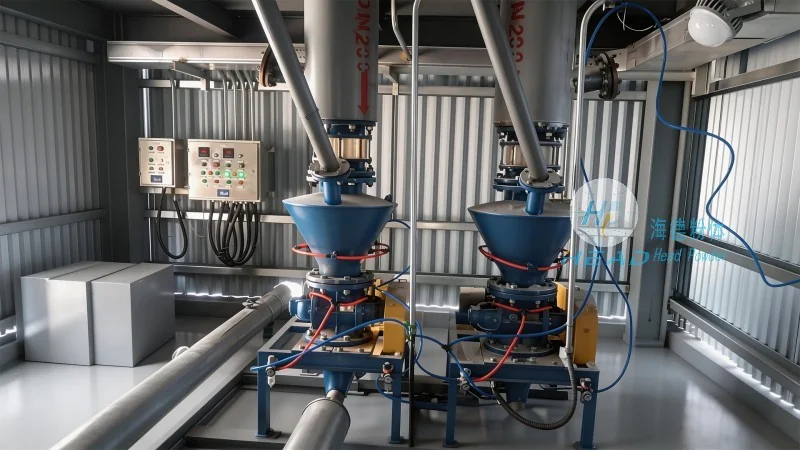
HeadPowder, a leading engineering company based in Shandong, China, specializes in the design, manufacturing, and installation of advanced pneumatic conveying systems tailored for carbon material handling. With years of experience in the field, HeadPowder provides comprehensive solutions that meet the specific needs of clients in the carbon industry.
Basic Principles of Pneumatic Conveying Systems
A carbon material pneumatic conveying system operates by creating a flow of air or gas within a pipeline. The material is then entrained and transported along with the air stream. The system typically consists of a material feed hopper, a conveying line, a control system, and a discharge unit. The design principles focus on ensuring that the material is conveyed efficiently without degradation, while maintaining system stability and minimizing energy consumption.
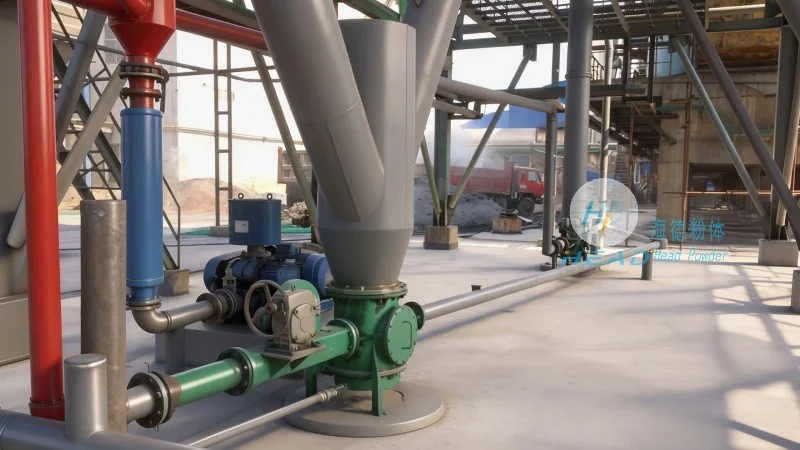
Design Principles for Carbon Material Pneumatic Conveying Systems
The design of a carbon material pneumatic conveying system involves several critical considerations. First, the selection of the appropriate conveying method, such as dilute phase or dense phase, depends on the properties of the carbon material, including particle size, density, and moisture content. Dilute phase systems use low air velocities to transport materials, while dense phase systems employ higher air velocities and pressure to achieve more controlled and gentle handling. The system design also considers the material's flow characteristics, as carbon materials can be cohesive or non-cohesive, which affects the choice of feed mechanisms and pipeline design. Additionally, the system must be equipped with proper filtration and cleaning systems to prevent material buildup and maintain air quality. The control system plays a vital role in regulating the flow rate, pressure, and air volume to ensure consistent operation and prevent system failures.
HeadPowder's Approach to Design and Implementation
HeadPowder engineers leverage advanced engineering techniques and industry best practices to design carbon material pneumatic conveying systems that are tailored to each client's specific requirements. The company conducts thorough material analysis to understand the unique properties of the carbon material, such as particle size distribution, moisture content, and abrasiveness. Based on this analysis, HeadPowder selects the most suitable conveying method and system configuration. The design process includes detailed calculations for air velocity, pressure drop, and system capacity to ensure optimal performance. HeadPowder also considers factors like system integration with existing production lines, maintenance requirements, and safety regulations to provide a comprehensive solution. The company's team of experienced engineers and technicians work closely with clients to ensure that the final system meets all operational and safety standards, resulting in efficient material handling and reduced downtime.
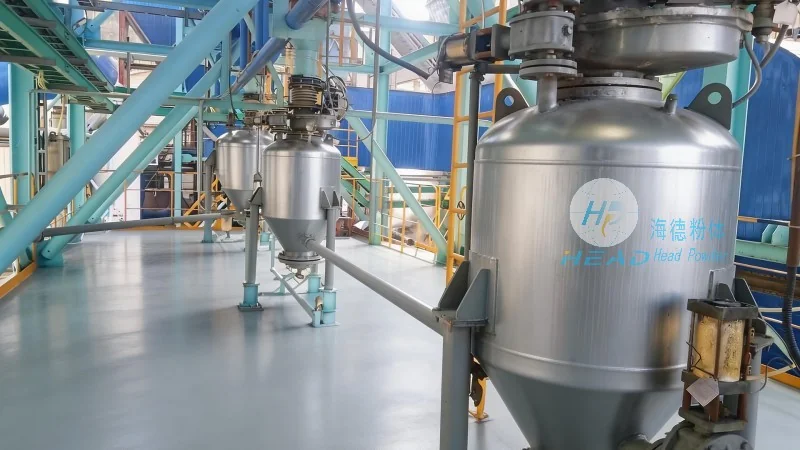
Key Components of a Carbon Material Pneumatic Conveying System
A typical carbon material pneumatic conveying system includes several essential components. The material feed hopper is responsible for storing and feeding the carbon material into the system. It is designed to handle the material's flow characteristics and prevent clogging. The conveying line, made of durable materials such as stainless steel or plastic, transports the material and air mixture. The control system regulates the air flow and pressure, ensuring consistent operation. The discharge unit, such as a rotary valve or a dust collector, collects the material at the end of the pipeline. The system may also include additional components like filters, cyclones, and pressure vessels to enhance performance and safety. Each component is carefully selected and designed to work in harmony with the others, ensuring the overall system operates efficiently and reliably.
Conclusion
Carbon material pneumatic conveying systems are essential equipment for the efficient handling of carbon-based materials in industrial applications. The design principles and components of these systems are carefully engineered to ensure optimal performance, safety, and reliability. HeadPowder, with its expertise and experience, provides high-quality pneumatic conveying systems that meet the specific needs of clients in the carbon industry. By leveraging advanced engineering techniques and industry best practices, HeadPowder ensures that its systems deliver consistent performance and contribute to improved productivity in material handling processes.