

What is a Sodium Carbonate Material Pneumatic Conveying System? And What Are Its Design Principles?
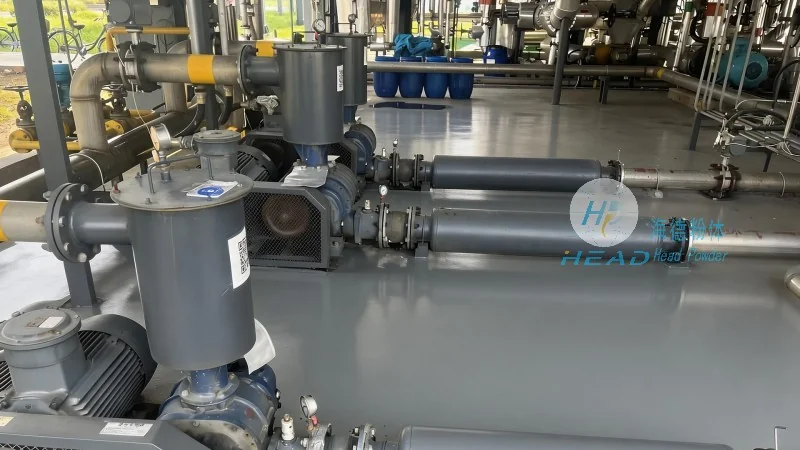
Understanding the sodium carbonate material pneumatic conveying system is crucial for industries dealing with this chemical. This system is designed to transport sodium carbonate, a white crystalline powder commonly used in various industrial applications, through an air-driven process. The system efficiently moves the material from one location to another, ensuring safety, efficiency, and minimal product degradation.
Introduction to Sodium Carbonate Pneumatic Conveying Systems
Sodium carbonate, also known as soda ash, is a versatile chemical widely used in manufacturing glass, paper, detergents, and food products. Traditional methods of transporting this material, such as trucks or conveyor belts, can be costly, time-consuming, and may lead to dust exposure and product contamination. Pneumatic conveying systems offer a more effective solution by using air pressure to move the material through a pipeline network.
Design Principles of Pneumatic Conveying Systems for Sodium Carbonate
The design of a sodium carbonate pneumatic conveying system involves several key principles to ensure optimal performance. These include the selection of appropriate air velocity, the use of suitable pipeline materials, and the incorporation of necessary equipment like feeders, cyclones, and filters. The system must be capable of handling the specific properties of sodium carbonate, such as its particle size, flowability, and moisture content, to prevent blockages and ensure consistent transport.
Key Components and Their Functions
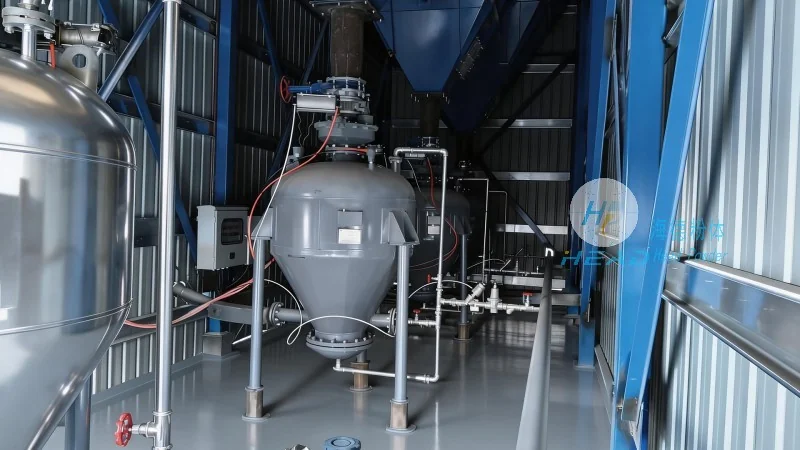
Several components make up a typical sodium carbonate pneumatic conveying system. The feed hopper is used to store and feed the material into the system. The air compressor generates the necessary pressure to move the material through the pipeline. The pipeline network transports the material from the source to the destination. The cyclone separator and filter system are crucial for separating the material from the air and preventing dust emissions. The discharge hopper collects the material at the end of the pipeline.
Advantages of Using Pneumatic Conveying for Sodium Carbonate
Implementing a pneumatic conveying system for sodium carbonate offers numerous advantages. It reduces labor costs by automating the material transport process. It minimizes product loss and contamination compared to traditional methods. The system also improves safety by containing dust and preventing exposure to the material. Additionally, it enhances operational efficiency by allowing for continuous and reliable material transfer.
Customization and Application Considerations
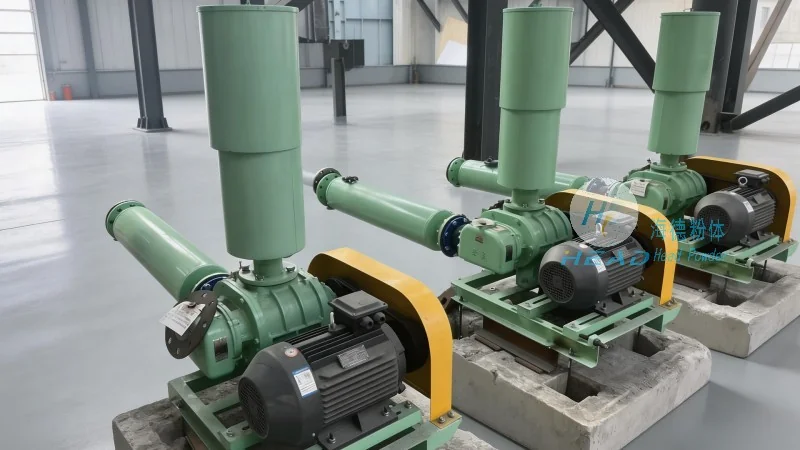
HeadPowder, a leading engineering company based in Shandong, China, specializes in designing and manufacturing customized pneumatic conveying systems tailored to the specific needs of sodium carbonate applications. The company considers factors such as the material's characteristics, the distance of transport, and the required throughput when designing a system. This ensures that the final solution is efficient, cost-effective, and meets all operational requirements.
Conclusion
In summary, a sodium carbonate material pneumatic conveying system is an efficient and reliable method for transporting this important chemical. By understanding the design principles and key components, industries can optimize their material handling processes. HeadPowder, with its expertise and location in Shandong, China, provides comprehensive solutions for implementing such systems, ensuring that clients achieve their operational goals while maintaining safety and efficiency.