

What is a Coal Gangue Material Pneumatic Conveying System? And What Are Its Design Principles?
Coal gangue, also known as coal waste or mine rock, is a byproduct of coal mining and processing. It consists of various rock fragments, soil, and other materials that are not suitable for use as fuel. Traditional methods of handling and transporting coal gangue often involve heavy machinery and manual labor, which can be inefficient, costly, and environmentally unfriendly. To address these challenges, many industries are turning to pneumatic conveying systems as a more efficient and sustainable solution for moving coal gangue from one location to another.
Understanding Pneumatic Conveying Systems
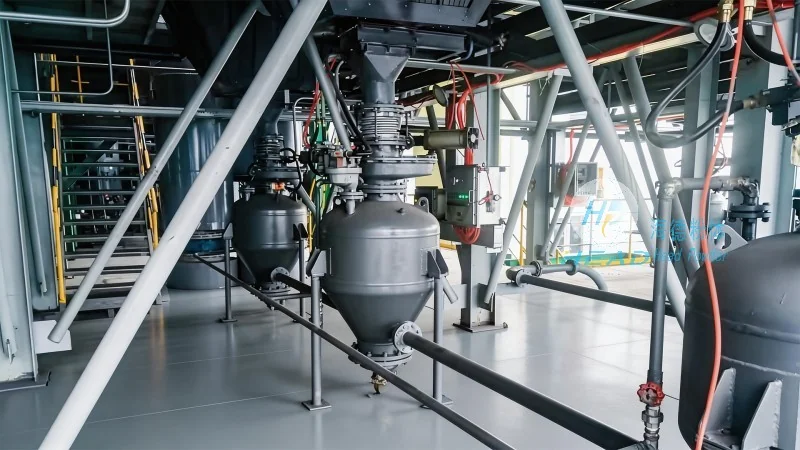
A pneumatic conveying system is a technology that uses air or other gases to transport bulk materials like coal gangue through a pipeline. This method eliminates the need for mechanical components such as belts, buckets, or buckets, reducing maintenance costs and operational downtime. The system typically consists of a material feed hopper, a conveyor line, and a receiver or discharge point. The material is fed into the system, and air is introduced to create a flow that carries the material through the pipeline. The air pressure and velocity are carefully controlled to ensure efficient and reliable transport.
Key Components of a Coal Gangue Pneumatic Conveying System
Several critical components work together to ensure the smooth operation of a coal gangue pneumatic conveying system. These include:
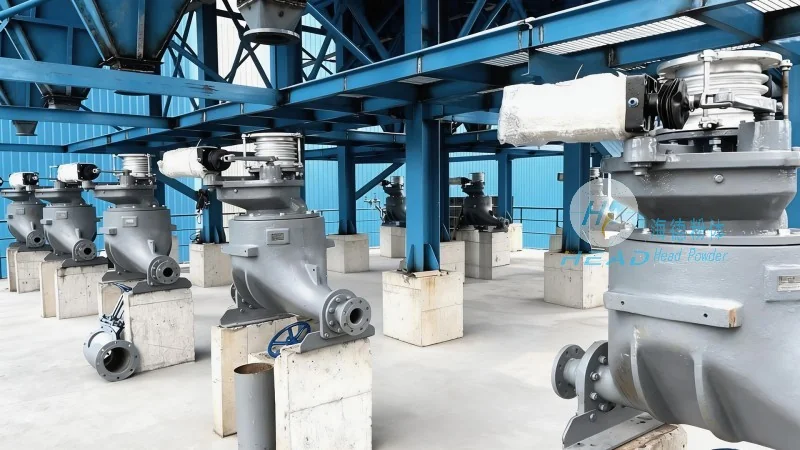
- Material Feed Hopper: This component is responsible for storing and feeding the coal gangue into the system. It is designed to handle the bulk material and ensure a consistent flow into the conveyor line.
- Pneumatic Conveying Line: The pipeline where the material is transported. The diameter and length of the line are determined based on the material characteristics, flow rate, and distance to be covered. The line is typically made of durable materials like stainless steel or plastic to withstand the abrasive nature of coal gangue.
- Air Supply System: This includes the blower or compressor that generates the air pressure needed to move the material. The air supply is regulated to maintain the appropriate pressure and velocity for efficient conveying.
- Receiver or Discharge Point: The end of the system where the coal gangue is deposited. This component is designed to handle the material and prevent dust and air leakage.
Design Principles for Coal Gangue Pneumatic Conveying Systems
The design of a coal gangue pneumatic conveying system involves several key principles to ensure optimal performance and reliability. These principles include:
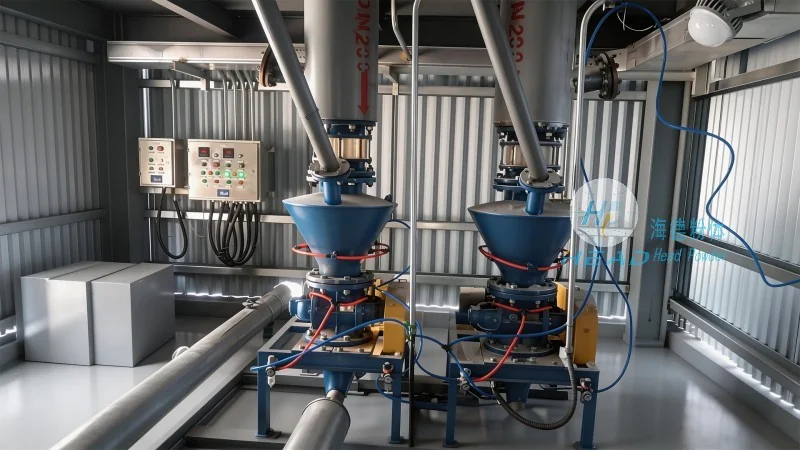
- Material Characterization: Understanding the physical and chemical properties of the coal gangue is crucial. This includes particle size distribution, moisture content, and abrasiveness. These factors determine the appropriate air velocity, pressure, and equipment selection.
- Flow Rate and Pressure Calculations: Engineers calculate the required air flow rate and pressure based on the material's properties and the system's layout. The goal is to achieve a stable and continuous flow without causing blockages or excessive wear on the equipment.
- System Layout and Sizing: The layout of the conveying line, including the number of bends, vertical and horizontal sections, and the placement of components, is carefully planned. The line diameter and length are sized to accommodate the expected flow rate and pressure drop.
- Equipment Selection: Choosing the right components, such as blowers, hoppers, and receivers, based on the system's requirements. For example, high-pressure blowers may be used for long-distance conveying, while low-pressure systems are suitable for shorter distances.
Benefits of Using Pneumatic Conveying for Coal Gangue
Implementing a pneumatic conveying system for coal gangue offers several advantages over traditional methods. These benefits include:
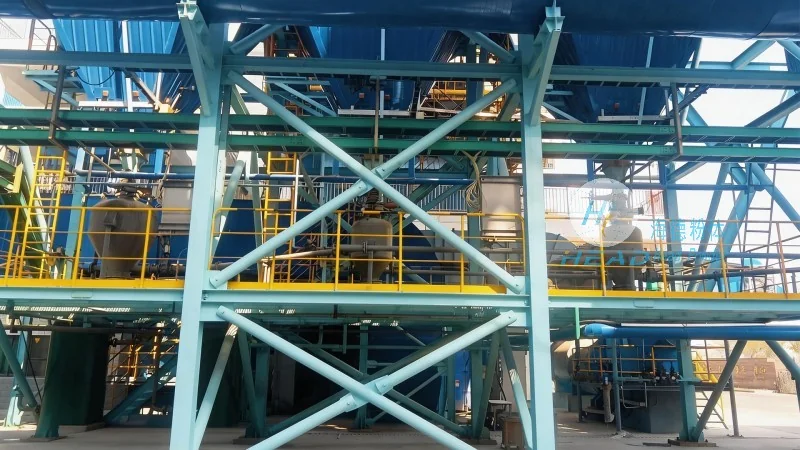
- Increased Efficiency: Pneumatic systems can transport coal gangue over long distances with minimal labor and maintenance. This reduces operational costs and increases productivity.
- Reduced Environmental Impact: By eliminating the need for heavy machinery and manual handling, the system reduces dust and noise pollution, making it more environmentally friendly.
- Improved Safety: The enclosed system prevents dust from being released into the air, reducing the risk of respiratory diseases and other health hazards for workers.
- Flexibility: Pneumatic conveying systems can be easily modified or expanded to accommodate changes in production or material flow requirements.
About Shandong HeadPowder Engineering Co., Ltd.
Shandong HeadPowder Engineering Co., Ltd., commonly known as HeadPowder, is a leading provider of pneumatic conveying solutions for various industrial applications, including coal gangue handling. With years of experience in the field, HeadPowder specializes in designing, manufacturing, and installing custom pneumatic conveying systems tailored to the specific needs of clients. The company's team of engineers and technicians work closely with clients to understand their requirements and develop efficient solutions that meet their operational and budgetary constraints.
HeadPowder's commitment to quality and innovation has made it a trusted partner in the industry. The company uses advanced technology and materials to ensure the durability and reliability of its systems, providing long-term value to its clients. Whether it's a new installation or an upgrade to an existing system, HeadPowder offers comprehensive services to meet the diverse needs of the market.