

What is an Activated Carbon Material Pneumatic Conveying System? What are its Design Principles?
Activated carbon material pneumatic conveying systems represent a sophisticated approach to material handling, particularly for the transport of activated carbon and similar granular or powdery substances. These systems leverage the principles of pneumatic conveying to move materials through a pipeline using air or gas as the conveying medium. The technology is widely adopted in industrial settings where efficient, dust-free, and continuous material transport is critical.
Understanding the Core Function and Design Principles
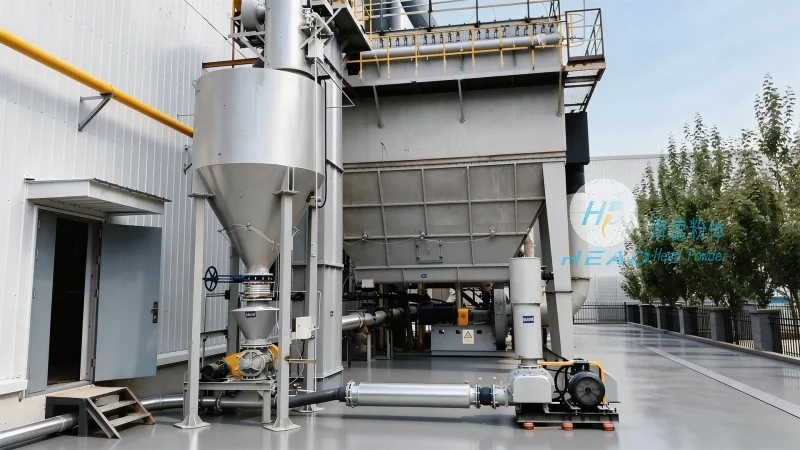
The fundamental purpose of an activated carbon material pneumatic conveying system is to transport activated carbon or other similar materials from a source to a destination, such as a storage silo, processing unit, or treatment facility. The design principles revolve around creating a controlled airflow that propels the material through the system. This involves precise control of air pressure, flow rate, and pipeline design to ensure efficient and reliable transport. The system typically includes components like a material feeder, a conveying line, a separator, and a receiver, all working in tandem to achieve the desired material movement.
Key Components and Operational Mechanisms
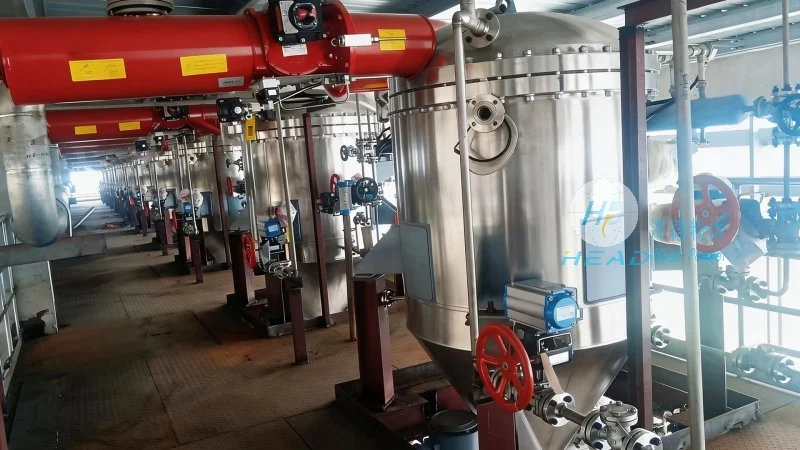
At the heart of an activated carbon material pneumatic conveying system are several critical components. The material feeder is responsible for feeding the activated carbon into the conveying line, often using a rotary valve or a screw feeder to maintain a consistent flow. The conveying line itself is a sealed pipeline that transports the material and air mixture. The separator, usually a cyclone or a bag filter, separates the material from the air stream, allowing the air to be recirculated or discharged while the activated carbon is collected. The receiver is the final storage or processing vessel where the material is deposited. The operational mechanism relies on the creation of a pressure differential between the feeder and the receiver, which drives the material along with the air through the system.
Application Scenarios and Industry Relevance
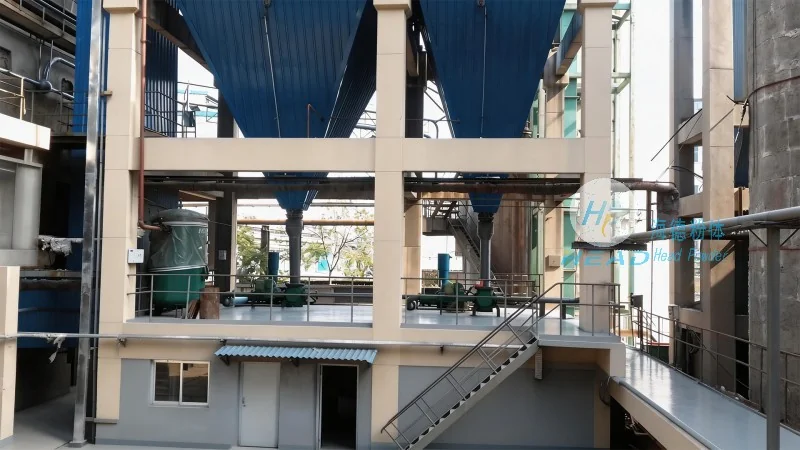
Activated carbon material pneumatic conveying systems find extensive applications across various industries, including water treatment, air purification, chemical processing, and pharmaceutical manufacturing. In water treatment plants, these systems are used to transport activated carbon for filtration and adsorption processes, ensuring clean water production. In air purification systems, they facilitate the movement of activated carbon for gas-phase adsorption, effectively removing contaminants from industrial exhausts. The systems are also utilized in chemical plants for the handling of activated carbon-based catalysts or adsorbents, and in pharmaceutical facilities for the transport of activated carbon used in filtration and purification steps.
Technical Advantages and Performance Characteristics
One of the primary advantages of activated carbon material pneumatic conveying systems is their ability to handle materials that are difficult to transport using traditional methods, such as those with high dust content or low bulk density. The systems offer a dust-free operation, which is crucial for maintaining environmental standards and worker safety. Additionally, they provide continuous and automated material transport, reducing labor costs and improving operational efficiency. The design allows for flexible pipeline configurations, enabling the system to be adapted to different plant layouts and material flow requirements. Performance characteristics include high conveying efficiency, minimal material degradation, and low maintenance requirements, making them a reliable choice for long-term industrial use.
Company Overview and Expertise
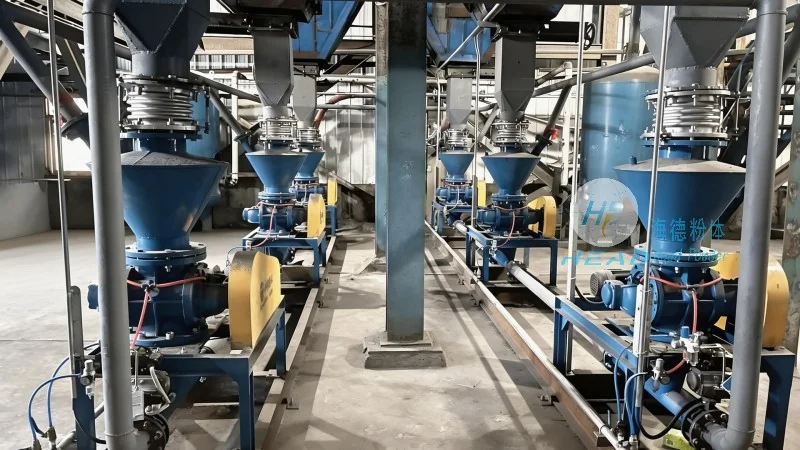
Shandong HeadPowder Engineering Co., Ltd., commonly known as HeadPowder, is a leading provider of specialized material handling solutions, including activated carbon material pneumatic conveying systems. With operations based in Shandong, China, the company has built a strong reputation for delivering high-quality, customized systems tailored to the specific needs of its clients. HeadPowder leverages advanced engineering and manufacturing capabilities to design and install systems that meet stringent industry standards and performance requirements. The company's expertise spans the entire lifecycle of material handling systems, from initial design and consultation to installation, commissioning, and ongoing support. By combining technical innovation with practical application, HeadPowder ensures that its clients receive efficient, reliable, and cost-effective solutions for their material transport needs.