

What is an Automatic Bulk Material Mixing and Feeding Pneumatic Conveying Equipment? What are its De
For industrial operations that require precise and efficient handling of bulk materials, the automatic bulk material mixing and feeding pneumatic conveying equipment plays a crucial role. This advanced system is designed to streamline the process of blending different raw materials and delivering them to processing units with high accuracy and reliability. In this article, we will explore the core functions of this equipment and delve into its fundamental design principles, providing a comprehensive understanding of how it operates and its significance in modern manufacturing and material handling industries.
Understanding the Role of Automatic Bulk Material Mixing and Feeding Pneumatic Conveying Equipment
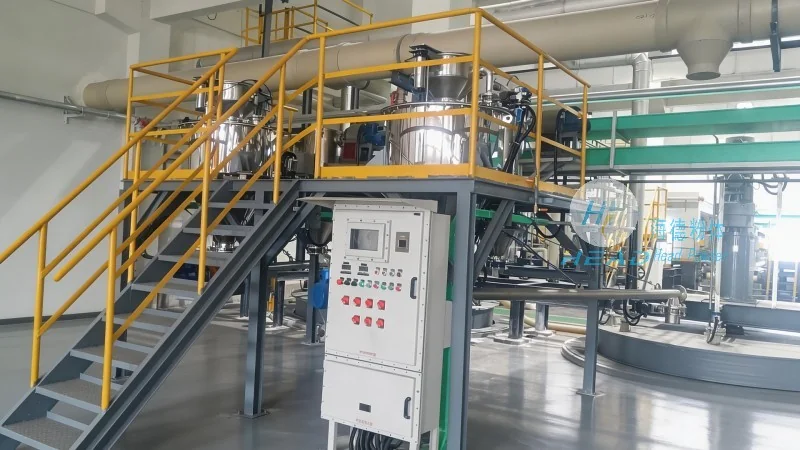
At the heart of many industrial processes lies the need to combine various bulk materials in specific ratios to achieve desired product characteristics. The automatic bulk material mixing and feeding pneumatic conveying equipment from Shandong HeadPowder Engineering Co., Ltd. addresses this need by integrating mixing, proportioning, and conveying functions into a single, automated system. This equipment is particularly valuable in sectors such as pharmaceuticals, food processing, chemical manufacturing, and mining, where consistency and precision are paramount. By automating the material handling process, it reduces human error, enhances operational efficiency, and ensures compliance with quality standards.
Key Components and Functions of the Equipment
The automatic bulk material mixing and feeding pneumatic conveying system typically consists of several key components that work in harmony to achieve its objectives. These components include a hopper for material storage, a mixing chamber where different raw materials are combined, a feeding mechanism that controls the flow of materials, and a pneumatic conveying section that transports the mixed material to the processing unit. The feeding mechanism often employs sensors and control systems to regulate the flow rate of each material, ensuring that the desired mixing ratio is maintained throughout the process. This precision in feeding is critical for applications where even minor variations in material composition can impact product quality.
Design Principles Behind the Equipment
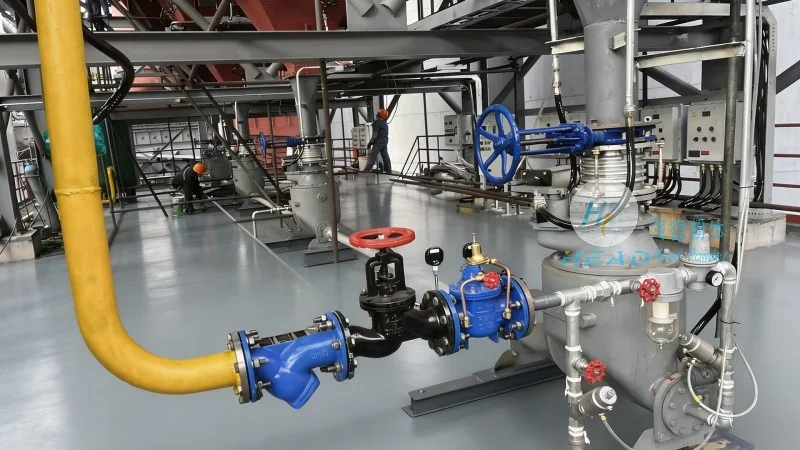
The design of the automatic bulk material mixing and feeding pneumatic conveying equipment is guided by several fundamental principles aimed at optimizing performance, reliability, and safety. One of the primary principles is the use of a closed-loop system to minimize material loss and contamination. The equipment is constructed with materials that are resistant to corrosion and wear, ensuring long-term durability. Additionally, the design incorporates advanced control systems that allow for real-time monitoring and adjustment of the mixing and feeding processes. This allows operators to make immediate corrections if deviations occur, maintaining the integrity of the final product. The pneumatic conveying section is designed to handle a wide range of material types, from fine powders to bulk solids, by adjusting air pressure and flow rates as needed. This adaptability makes the equipment versatile and suitable for diverse industrial applications.
Operational Advantages and Benefits
Implementing the automatic bulk material mixing and feeding pneumatic conveying equipment offers numerous advantages to industrial operations. One of the most significant benefits is the improvement in product consistency. By precisely controlling the mixing ratios and feeding rates, the equipment ensures that each batch of material meets the required specifications, reducing waste and rework. Another advantage is the reduction in labor costs and operational time. Automation eliminates the need for manual mixing and feeding, freeing up human resources for more critical tasks and speeding up production cycles. Furthermore, the equipment enhances safety in the workplace by minimizing the exposure of operators to hazardous materials and reducing the risk of accidents associated with manual handling. The closed-loop design also helps in maintaining a clean and controlled environment, which is essential in industries such as food and pharmaceuticals where hygiene is a top priority.
Applications and Industries Served
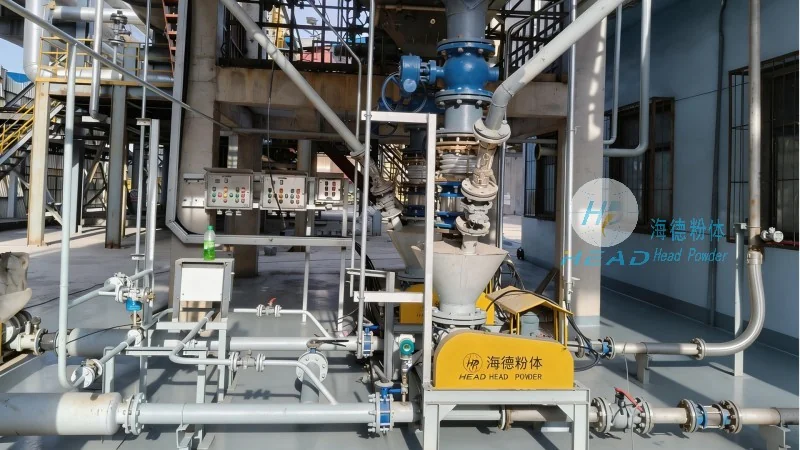
The automatic bulk material mixing and feeding pneumatic conveying equipment is widely used across various industries due to its versatility and efficiency. In the pharmaceutical industry, it is used to mix active pharmaceutical ingredients (APIs) with excipients to produce consistent drug formulations. In food processing, it helps in blending different ingredients for baked goods, beverages, and other food products. The chemical manufacturing sector utilizes this equipment to mix raw chemicals and deliver them to reactors with precision. Additionally, in the mining and mineral processing industry, it aids in the blending of ores and the transportation of bulk materials to processing plants. The equipment's ability to handle a wide range of materials and its adaptability to different production scales make it a valuable asset for businesses in these sectors.
Conclusion
In conclusion, the automatic bulk material mixing and feeding pneumatic conveying equipment is a sophisticated and essential tool for modern industrial operations. Developed by Shandong HeadPowder Engineering Co., Ltd., this equipment combines advanced mixing and feeding technologies with reliable pneumatic conveying systems to deliver precise and efficient material handling solutions. By adhering to fundamental design principles such as closed-loop operation, material compatibility, and real-time control, the equipment ensures high performance and durability. The operational advantages, including improved product consistency, reduced labor costs, and enhanced safety, make it a worthwhile investment for industries seeking to optimize their material handling processes. As industrial demands continue to evolve, this equipment remains a critical component in achieving operational excellence and maintaining competitive advantage in the market.