

Working Principle and Features of Centralized Feeding Equipment
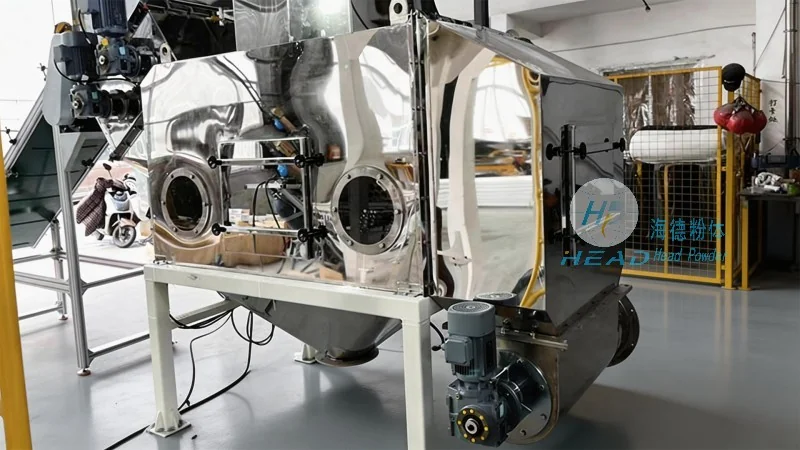
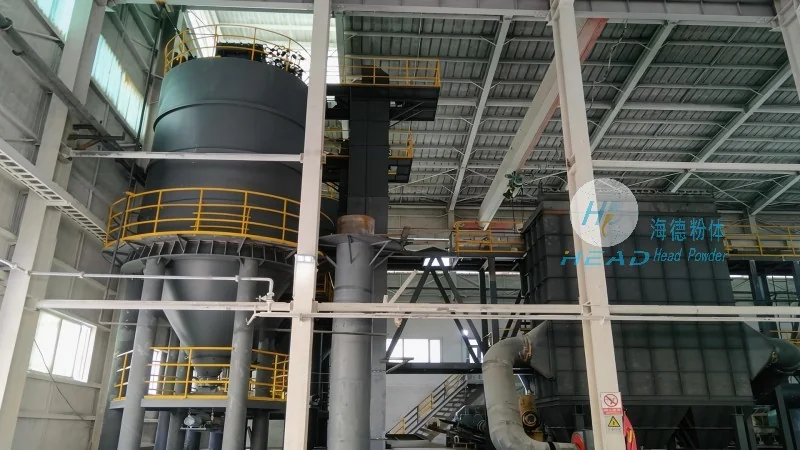
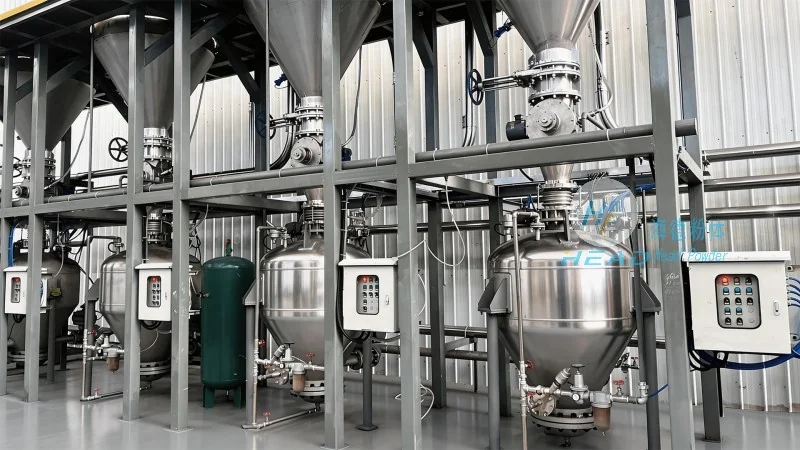
Centralized feeding equipment is a critical component in various industrial processes, designed to efficiently distribute bulk materials to different points of use. The working principle of such systems typically involves a central storage unit, often a hopper or silo, which holds the raw material. From this central point, the material is conveyed through a network of pipes or conveyor systems to various dispensing stations. This setup ensures a consistent and controlled flow of material, reducing waste and improving operational efficiency.
Key Features of Centralized Feeding Systems
One of the primary advantages of centralized feeding equipment is its ability to provide uniform material distribution. By maintaining a constant pressure and flow rate, these systems minimize variations in material consistency, which is crucial for processes like mixing, coating, or packaging. Additionally, the centralized design allows for easier maintenance and monitoring, as all components are located in a single or a few central locations. This reduces downtime and operational costs compared to traditional, decentralized feeding methods.
Efficiency and Versatility in Material Handling
Centralized feeding equipment is engineered to handle a wide range of materials, from powders and granules to bulk solids. The system's flexibility allows it to adapt to different material properties, such as density, flowability, and moisture content. Advanced models may incorporate features like vibration control, air classification, or pre-drying mechanisms to optimize material handling. For instance, in the pharmaceutical or food industries, where material purity is paramount, these systems can be equipped with sanitary designs and enclosed conveying paths to prevent contamination.
Operational Advantages and Cost Savings
Implementing a centralized feeding system can lead to significant operational improvements. The automated control of material flow reduces the need for manual handling, minimizing human error and labor costs. Furthermore, the consistent material supply ensures that production lines operate at optimal capacity, avoiding bottlenecks caused by material shortages or inconsistencies. Over time, these benefits translate into lower overall operational costs and higher productivity.
Customization and Integration with Existing Systems
Shandong HeadPowder Engineering Co., Ltd., a leading manufacturer based in China, offers customized centralized feeding solutions tailored to specific industrial needs. The company's expertise lies in designing systems that integrate seamlessly with existing production lines, ensuring minimal disruption during installation. Whether for new construction or retrofitting existing facilities, their solutions are engineered to meet stringent industry standards and regulatory requirements. The company's commitment to quality and innovation ensures that clients receive equipment that not only meets but exceeds their expectations in terms of performance and reliability.
Conclusion: The Role of Centralized Feeding Equipment in Modern Manufacturing
Centralized feeding equipment plays a vital role in modern manufacturing by enhancing efficiency, consistency, and cost-effectiveness. By understanding its working principle and leveraging its key features, industries can optimize their material handling processes. As a trusted provider, Shandong HeadPowder Engineering Co., Ltd. continues to deliver high-quality solutions that support the evolving needs of various sectors, from chemical and pharmaceutical to food and agriculture. The adoption of such systems reflects a forward-thinking approach to industrial operations, focusing on sustainability and operational excellence.