

Working Principle and Characteristics of Wood Chip Pneumatic Conveying
Wood chip pneumatic conveying is a critical technology in the processing and handling of wood chips, offering efficient and reliable methods for transporting these materials. This article explores the working principle and key characteristics of such systems, providing insights into their operation and benefits.
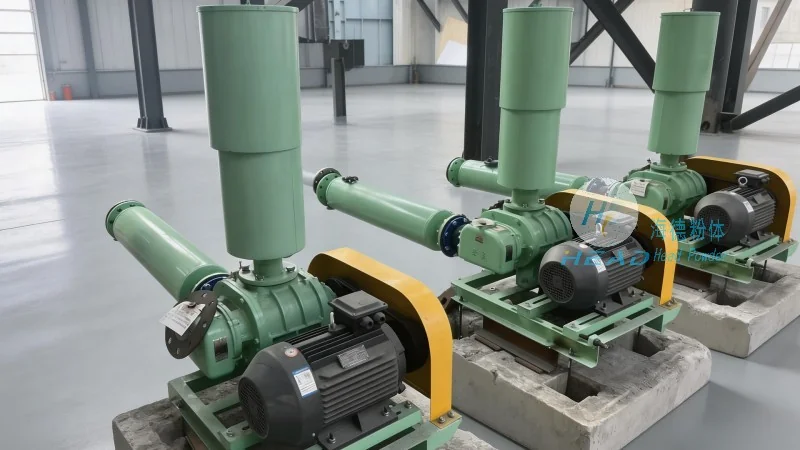
Introduction to Wood Chip Pneumatic Conveying Systems
Wood chip pneumatic conveying systems are designed to transport wood chips using a combination of air and pressure or vacuum. These systems are widely used in the wood processing industry due to their ability to handle bulk materials with minimal maintenance and operational complexity. The technology is particularly valuable in applications where traditional gravity or mechanical conveyors may be insufficient or impractical.
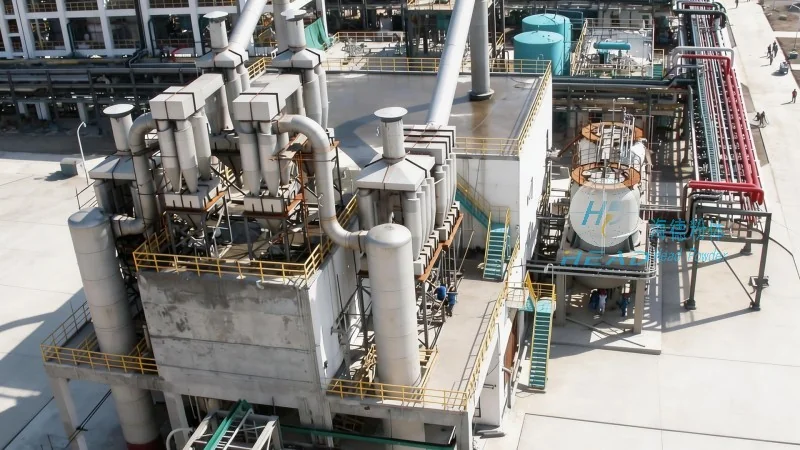
Working Principle of Pneumatic Conveying for Wood Chips
The core of wood chip pneumatic conveying lies in the use of air as the conveying medium. In a typical system, wood chips are introduced into a hopper or feeder, where they are then drawn into a pipeline by a fan or blower. The air flow creates a pressure differential that propels the wood chips through the system. There are two main types of pneumatic conveying: pressure and vacuum. Pressure systems use positive pressure to push the material through the line, while vacuum systems use negative pressure to pull the material.
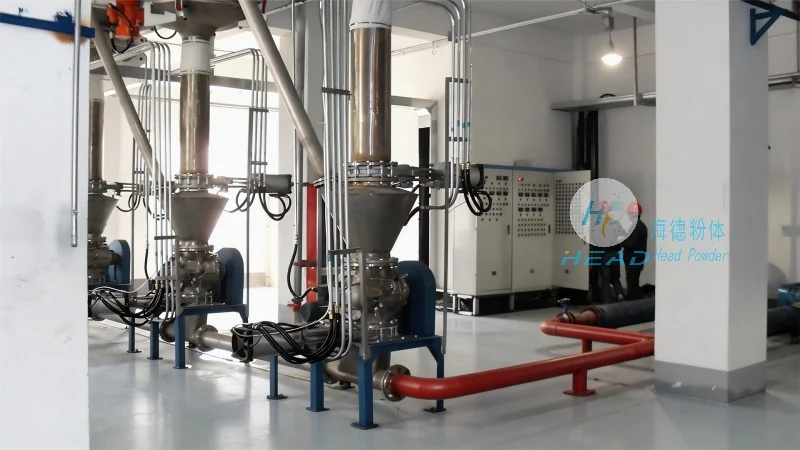
Key Characteristics and Advantages
Wood chip pneumatic conveying systems exhibit several distinct characteristics that make them advantageous for various applications. One of the primary advantages is the ability to transport materials over long distances without the need for multiple transfer points, which reduces downtime and operational costs. Additionally, these systems are highly flexible, allowing for changes in the conveying route or capacity without significant modifications. Another key characteristic is the low maintenance requirement, as there are fewer moving parts compared to mechanical conveyors, leading to lower operational expenses over time.
Technical Considerations for Efficient Operation
Efficient operation of wood chip pneumatic conveying systems depends on several technical factors. The selection of the appropriate air velocity is crucial, as it directly impacts the conveying capacity and pressure drop. Proper sizing of the pipeline and components, such as elbows and bends, is essential to minimize friction losses and prevent material buildup. The choice of fan or blower capacity must also be optimized to ensure sufficient air flow while maintaining energy efficiency. Regular maintenance, including cleaning of filters and checking for air leaks, is vital to maintain system performance and prevent downtime.
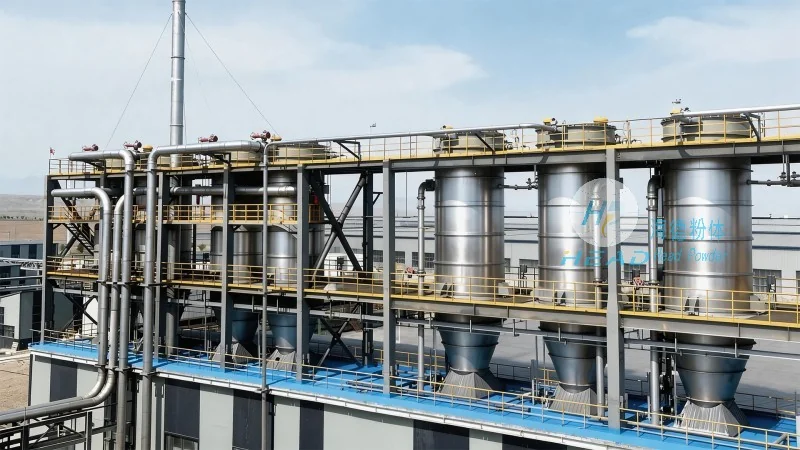
Company Profile: Shandong HeadPowder Engineering Co., Ltd.
Shandong HeadPowder Engineering Co., Ltd., a leading provider of pneumatic conveying solutions, specializes in the design, manufacturing, and installation of wood chip pneumatic conveying systems. With a focus on innovation and customer satisfaction, the company has built a reputation for delivering high-quality, reliable equipment tailored to the specific needs of the wood processing industry. HeadPowder's expertise in material handling technology ensures that their systems are optimized for efficiency, durability, and low maintenance, providing long-term value to clients. The company's headquarters is located in Shandong, China, where they leverage local resources and expertise to support their global clientele.