

Working Principle and Features of Grass Material Pneumatic Conveying
Grass material pneumatic conveying is a critical process in various industries, particularly those involved in agricultural processing and biomass handling. This method involves transporting dry grass or similar organic materials through a pipeline using air pressure. The technology has evolved significantly over the years, offering efficient and reliable solutions for material handling. At Shandong HeadPowder Engineering Co., Ltd., we specialize in designing and manufacturing advanced pneumatic conveying systems tailored to the unique needs of grass processing applications.
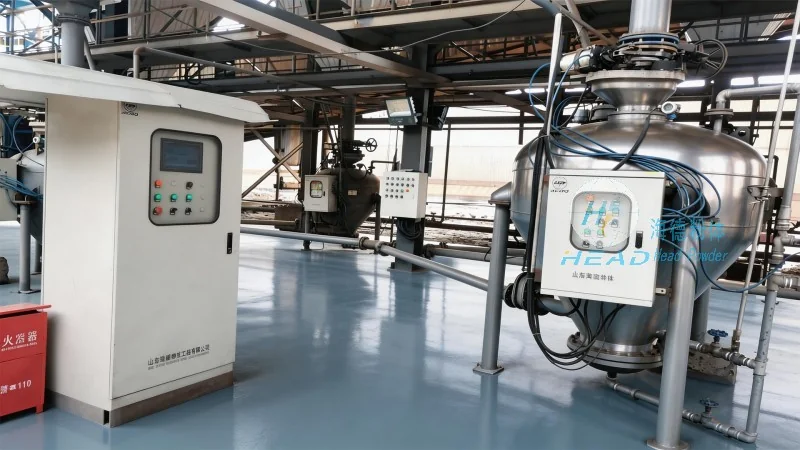
The Core Working Principle of Pneumatic Conveying Systems
The fundamental principle behind grass material pneumatic conveying is the use of air to move bulk materials through a closed or semi-closed pipeline. There are two primary types of pneumatic conveying systems: positive pressure and negative pressure. Positive pressure systems, also known as pressure conveying, operate by forcing air and material through the pipeline using a blower or compressor. The air pressure is maintained above atmospheric pressure, ensuring the material is continuously propelled forward. Negative pressure systems, or vacuum conveying, create a vacuum in the pipeline, drawing material from the source into the system. Both methods rely on the interaction between air flow and material particles to achieve efficient transport.
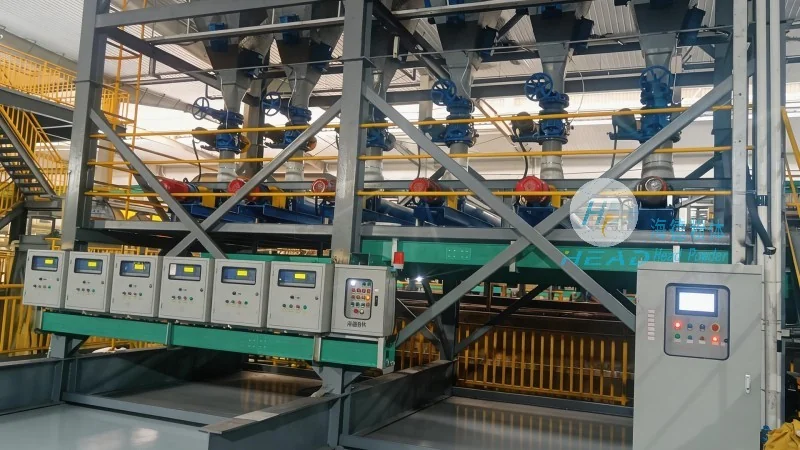
Key Features and Advantages of Grass Material Pneumatic Conveying
Grass material pneumatic conveying offers several distinct advantages that make it a preferred choice for many industries. One of the most significant benefits is its ability to handle delicate or abrasive materials without causing damage. The enclosed pipeline design minimizes contamination and dust exposure, which is crucial for maintaining product quality. Additionally, this method is highly efficient in terms of space utilization, as it eliminates the need for large storage silos or open chutes. The system can be easily integrated into existing production lines, reducing installation time and costs. Another key feature is its flexibility, allowing for horizontal, vertical, or even inclined transport of materials. This adaptability makes it suitable for various processing stages, from raw material intake to final product packaging. The technology also contributes to improved safety in the workplace by reducing manual handling of heavy or bulky materials. Furthermore, modern pneumatic conveying systems are equipped with advanced controls and monitoring systems, enabling real-time optimization of the conveying process and minimizing energy consumption.
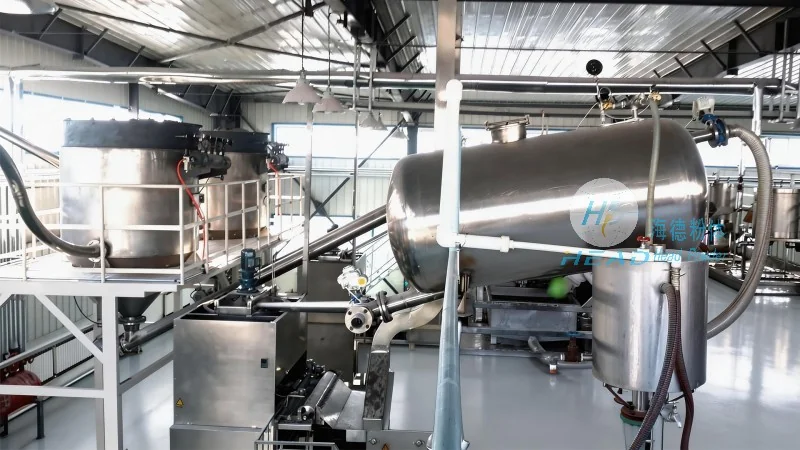
Applications and Industries Benefiting from Grass Material Pneumatic Conveying
Grass material pneumatic conveying is widely used across multiple sectors, including animal feed production, biofuel processing, and agricultural product handling. In animal feed manufacturing, the system efficiently transports dried grass or hay from storage to processing units, ensuring consistent material flow and reducing downtime. For biofuel producers, pneumatic conveying is essential for moving biomass from fields to processing facilities, where it is converted into renewable energy sources. The technology also plays a vital role in the production of grass-based products, such as pellets or silage, by providing a reliable method for material transport and mixing. The versatility of pneumatic conveying systems makes them adaptable to various grass types, including alfalfa, timothy, and other forage crops. This adaptability ensures that different processing requirements can be met with minimal adjustments to the system configuration.
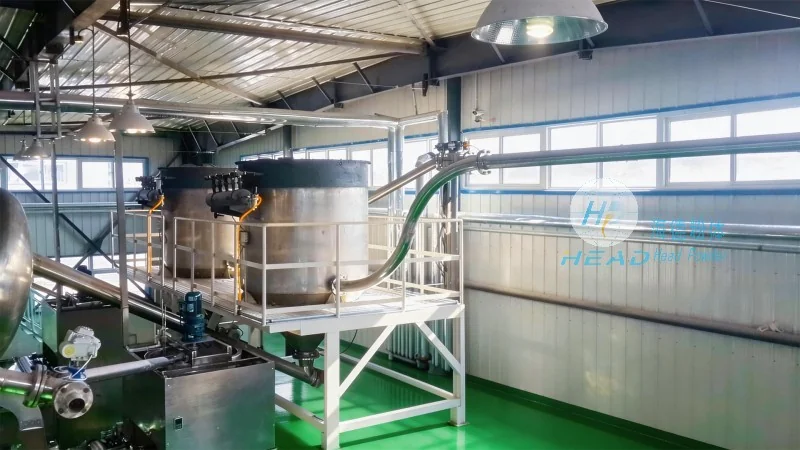
Customization and Integration with Shandong HeadPowder Engineering Co., Ltd.
At Shandong HeadPowder Engineering Co., Ltd., we understand that each grass processing operation has unique requirements. Our team of experts works closely with clients to design customized pneumatic conveying solutions that meet specific production needs. We offer a range of components, including high-efficiency blowers, specialized material feeders, and durable pipeline systems, all engineered to withstand the demands of grass material handling. Our systems are designed with durability and longevity in mind, using high-quality materials that resist corrosion and wear from abrasive grass particles. The integration of advanced control systems allows for precise regulation of air flow and material velocity, ensuring optimal performance and energy efficiency. We also provide comprehensive after-sales support, including maintenance services and technical assistance, to ensure our clients achieve maximum operational uptime. By partnering with us, businesses can enhance their material handling capabilities, reduce operational costs, and improve overall productivity in grass processing applications.