

Working Principle and Features of a Sodium Carbonate Pneumatic Conveying System
HeadPowder, a leading engineering company based in Shandong, China, specializes in the design and implementation of advanced pneumatic conveying systems for various industrial applications. This article provides an in-depth exploration of the working principle and key characteristics of a sodium carbonate pneumatic conveying system, highlighting how such systems efficiently handle bulk materials like sodium carbonate while ensuring operational reliability and efficiency.
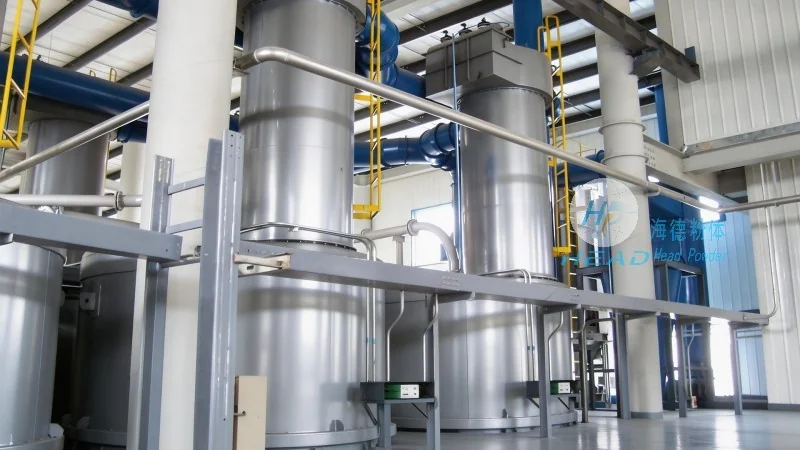
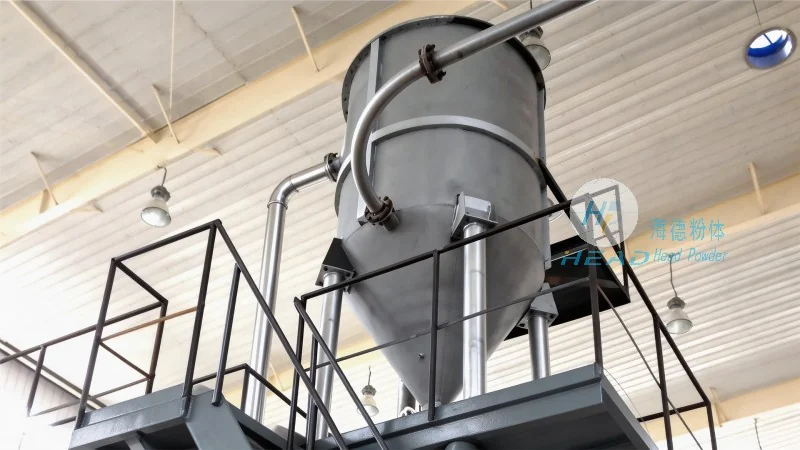
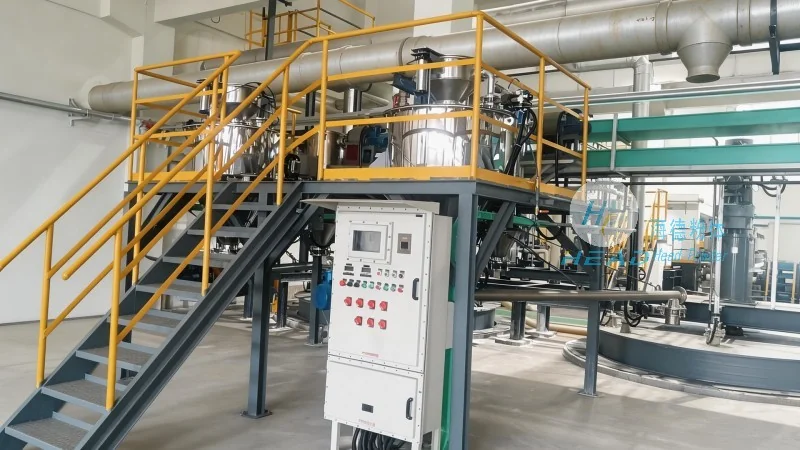
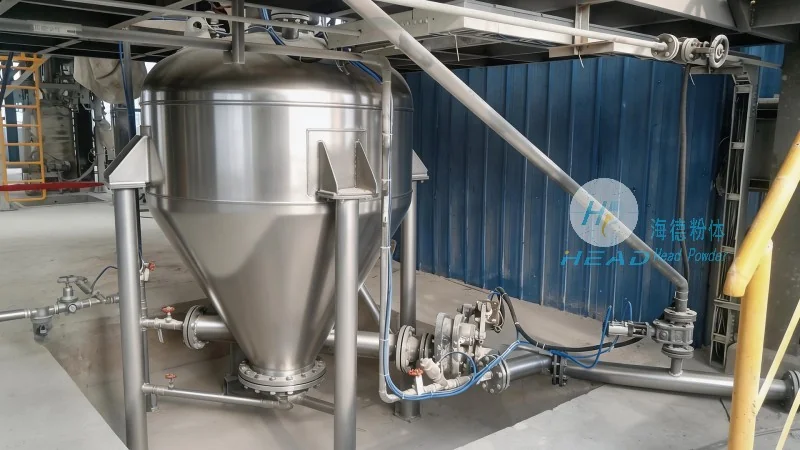
Working Principle of a Sodium Carbonate Pneumatic Conveying System
A sodium carbonate pneumatic conveying system operates by utilizing compressed air or other gas to transport solid particles, in this case, sodium carbonate, from a source to a destination. The core components of this system typically include a material hopper, a feeder, a conveying line, and a receiver. The process begins when sodium carbonate is fed into the hopper. The feeder then controls the flow rate of the material, ensuring a consistent supply to the conveying line. Compressed air is introduced into the conveying line, creating a flow that propels the sodium carbonate particles through the system. The air velocity is carefully managed to maintain a stable, dense phase flow, which minimizes particle degradation and ensures efficient transport. The system may incorporate features such as cyclones or filters to separate the air from the conveyed material at the receiver, allowing for clean material discharge and air recycling or disposal.
Key Features of a Sodium Carbonate Pneumatic Conveying System
Several notable features distinguish a sodium carbonate pneumatic conveying system, making it an ideal choice for industrial applications. Firstly, the system offers high material handling capacity, capable of transporting large volumes of sodium carbonate over significant distances with minimal downtime. This efficiency is achieved through optimized air flow and particle size management, ensuring that the conveying process remains consistent and reliable. Secondly, the system provides excellent material containment, as the entire conveying process is enclosed within the system, preventing dust and particle emissions that could affect the environment or worker safety. This feature aligns with modern industrial standards for environmental responsibility and operational safety. Thirdly, the system is designed for flexibility, allowing for easy integration with existing production lines or modifications to accommodate varying material flow rates or destination locations. This adaptability makes it suitable for diverse industrial settings, from manufacturing facilities to processing plants. Additionally, the system incorporates advanced control mechanisms, such as variable speed feeders and pressure sensors, which enable real-time monitoring and adjustment of the conveying process. This automation enhances operational efficiency and reduces the risk of material blockages or system failures. Finally, the system is built with durable materials, such as stainless steel or corrosion-resistant components, to withstand the chemical properties of sodium carbonate and the effects of prolonged use. This durability ensures a long service life and minimal maintenance requirements, contributing to overall cost-effectiveness.