

Working Principle and Features of Corn Flour Pneumatic Conveying Systems
For those in the food processing industry, particularly those dealing with corn flour, understanding the mechanics and advantages of pneumatic conveying systems is crucial. This article explores the working principle and key features of corn flour pneumatic conveying systems, providing insights into how these systems efficiently handle and transport corn flour while maintaining quality and efficiency.
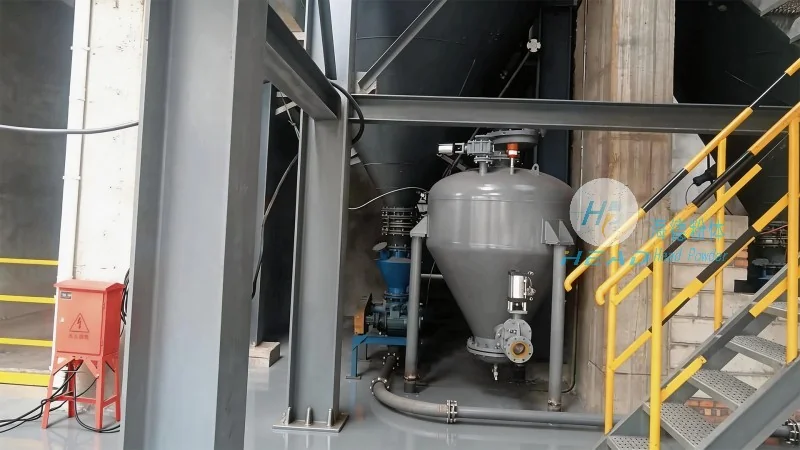
Introduction to Corn Flour Pneumatic Conveying Systems
Corn flour, a staple ingredient in many food products, requires specialized handling to ensure it remains free-flowing and uncontaminated during transport. Pneumatic conveying systems offer a solution by using air pressure to move the material through a pipeline network. This method is particularly effective for corn flour due to its fine particle size and the need for gentle handling to prevent clumping or degradation.
The Working Principle of Corn Flour Pneumatic Conveying Systems
The core mechanism of a corn flour pneumatic conveying system involves the use of compressed air to create a flow that propels the flour through the system. The process typically begins with a hopper or storage bin where the corn flour is stored. From there, the material is drawn into a venturi or other air delivery device, where it is mixed with the air stream. The air, carrying the flour particles, is then directed through a series of pipes to the destination point, such as a mixer, silo, or packaging area. The system relies on the balance between air velocity and particle size to ensure efficient transport without causing excessive wear or degradation of the flour.
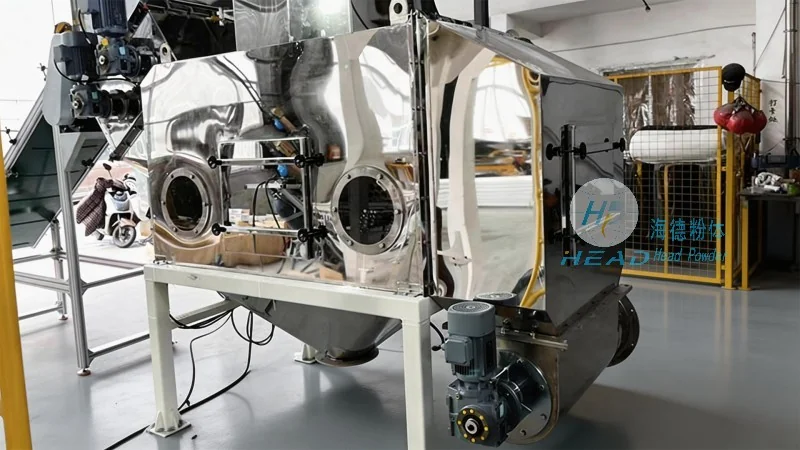
Key Features of Corn Flour Pneumatic Conveying Systems
Several key features distinguish effective corn flour pneumatic conveying systems. First, the system must be designed to handle fine particles without causing blockages or excessive pressure drops. This often involves using specialized valves, filters, and pipe materials that are resistant to abrasion and corrosion. Second, the system must maintain a consistent air flow to ensure uniform transport of the flour, which is critical for maintaining product quality and preventing segregation. Third, the system should incorporate safety features, such as pressure relief valves and dust collection systems, to protect both the equipment and the environment. Additionally, the design should allow for easy cleaning and maintenance to minimize downtime and ensure long-term reliability.
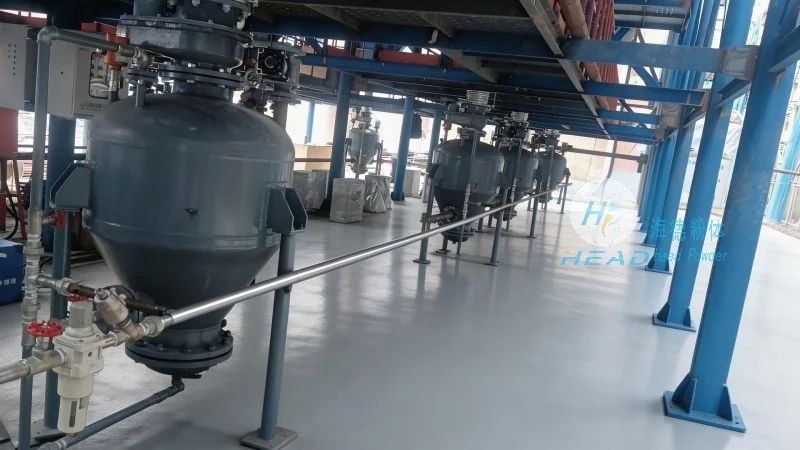
Advantages of Using Corn Flour Pneumatic Conveying Systems
Implementing a pneumatic conveying system for corn flour offers several advantages over traditional methods like bucket elevators or belt conveyors. One of the primary benefits is the ability to handle the material in a closed system, which helps prevent contamination from dust or moisture and maintains the product's hygienic quality. This is especially important for food-grade applications where cleanliness is paramount. Another advantage is the gentle handling of the flour, which reduces the risk of clumping or degradation that can occur with mechanical systems. The system also offers flexibility in terms of layout, as the pipes can be routed around obstacles and in various configurations to fit the specific needs of a facility. Furthermore, pneumatic conveying systems can be integrated with other processing equipment, such as mixers or packaging machines, to create a seamless production line.
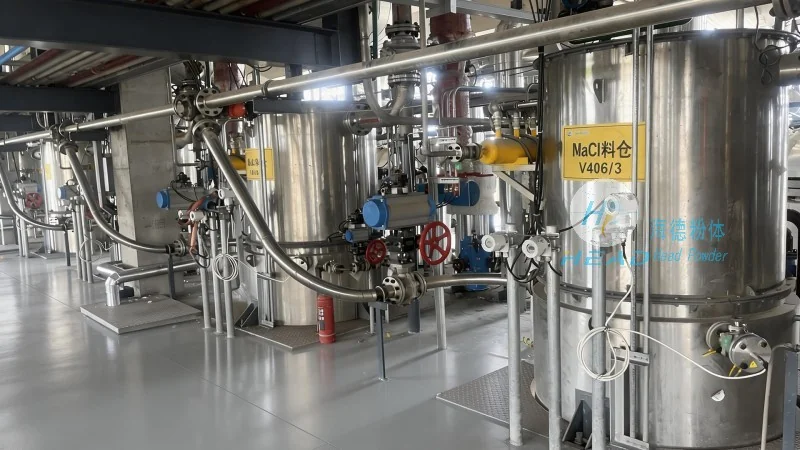
Applications in the Food Processing Industry
Corn flour pneumatic conveying systems are widely used in various food processing applications. In the production of baked goods, such as bread and pastries, the system efficiently transports corn flour from storage to mixing areas, ensuring consistent ingredient delivery. In the manufacturing of corn-based snacks, the system helps move the flour to extrusion or coating lines, maintaining the product's texture and quality. Additionally, in the production of animal feed, where corn flour is often used as an ingredient, the system ensures efficient and hygienic transport of the material to feed mills. The versatility of these systems makes them suitable for a range of applications where the handling of fine, dry powders is required.
Conclusion
In summary, corn flour pneumatic conveying systems are an essential component of modern food processing operations. By understanding the working principle and key features of these systems, manufacturers can optimize their processes to improve efficiency, maintain product quality, and ensure compliance with industry standards. The systems offered by companies like Shandong HeadPowder Engineering Co., Ltd. are designed to meet the specific needs of corn flour handling, providing reliable and effective solutions for food processing facilities.