

Working Principle and Features of Phenolic Resin Material Handling Equipment
Shandong HeadPowder Engineering Co., Ltd., commonly known as HeadPowder, is a professional manufacturer and supplier of material handling equipment, specializing in solutions for phenolic resin processing. With a base in Shandong, China, the company focuses on delivering high-quality equipment tailored to the unique demands of the phenolic resin industry. HeadPowder's expertise lies in designing and manufacturing reliable systems that ensure efficient and safe material transport within production facilities.
Working Principle of Phenolic Resin Material Handling Equipment
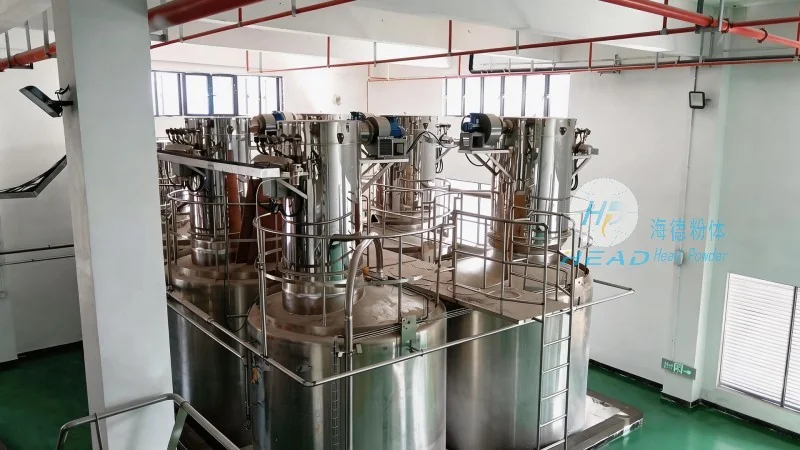
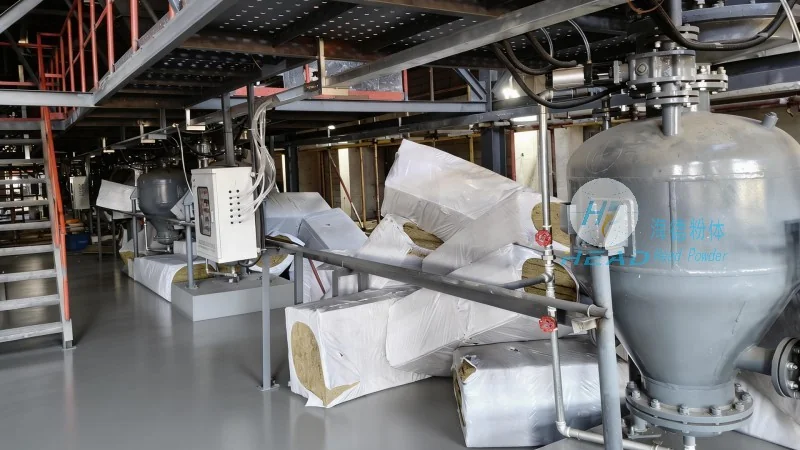
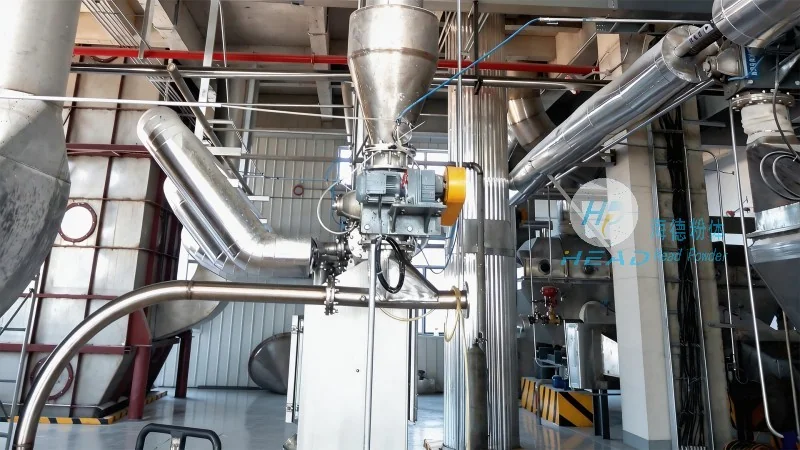
The phenolic resin material handling equipment operates through a series of integrated mechanisms designed to handle the specific properties of phenolic resin. At its core, the system typically includes a feeding mechanism, a conveying component, and a control unit. The feeding mechanism, often equipped with specialized hoppers or feeders, ensures the resin is introduced into the system in a controlled manner, preventing blockages and maintaining consistent flow. For example, some systems use vibratory feeders to break up agglomerates and ensure uniform material distribution. The conveying component, which may consist of screw conveyors, belt conveyors, or pneumatic systems, transports the resin from the feed point to the discharge point. Screw conveyors are particularly effective for handling powders and granules, as they provide a continuous, enclosed transport path that minimizes dust and spillage. Belt conveyors, on the other hand, are suitable for larger resin pieces or when a longer transport distance is required. Pneumatic systems, such as air slides or conveyor belts, are used for lighter, more delicate resin forms, ensuring gentle handling. The control unit, equipped with sensors and automation technology, monitors the system's performance, adjusting speed and pressure as needed to maintain optimal operation. This integrated approach allows for precise control over the material's movement, minimizing downtime and maximizing productivity. For instance, pressure sensors detect any blockages in the conveying path and trigger alarms or automatic shutdowns to prevent equipment damage. Temperature sensors monitor the resin's temperature to prevent overheating, which could affect its properties. These real-time adjustments ensure the system operates within safe and efficient parameters, contributing to consistent output quality.
Key Features of Phenolic Resin Material Handling Equipment
Phenolic resin material handling equipment from HeadPowder is characterized by several key features that enhance performance and reliability. One of the primary features is its robust construction, designed to withstand the demanding conditions of phenolic resin processing. The equipment is typically made from corrosion-resistant materials, such as stainless steel or specialized alloys, which are resistant to the chemical properties of phenolic resin and prevent degradation over time. For example, the hopper and conveyor housing are often lined with wear-resistant materials like polyurethane or rubber to extend the equipment's lifespan. Another significant feature is the system's adaptability, allowing it to handle various forms of phenolic resin, including powders, granules, and liquids, with minimal adjustments. This versatility makes the equipment suitable for different production stages, from raw material intake to finished product discharge. The equipment can be configured with different feeding and conveying components to accommodate changes in resin characteristics or production requirements. Additionally, the equipment incorporates advanced control systems, including real-time monitoring and data logging, which provide operators with insights into system performance and help identify potential issues before they escalate. These systems can generate reports on throughput, energy consumption, and maintenance intervals, enabling proactive management of the equipment. Energy efficiency is also a key consideration, with optimized designs reducing power consumption while maintaining high throughput. For instance, variable frequency drives (VFDs) are used to adjust motor speeds based on the material load, preventing unnecessary energy waste. The equipment's low maintenance requirements further contribute to its cost-effectiveness, as fewer parts need replacement and regular servicing is simplified. The use of modular components allows for easy replacement of worn parts without disrupting the entire system. These features collectively ensure that the phenolic resin material handling equipment delivers consistent performance, reduces operational costs, and enhances overall production efficiency. The equipment's reliability also minimizes production downtime, as it is designed to operate continuously without frequent breakdowns. This reliability is crucial for maintaining production schedules and meeting customer demands in the phenolic resin industry.