

Working Principle and Features of Glass-Blasted Microsphere Powder Pneumatic Conveying Equipment
Glass-blasted microspheres are a type of lightweight, inorganic insulation material widely used in construction and industrial applications. The pneumatic conveying equipment designed for handling these powder materials plays a crucial role in efficient material transport. This article explores the working principle and key features of such equipment, highlighting its significance in modern material handling processes.
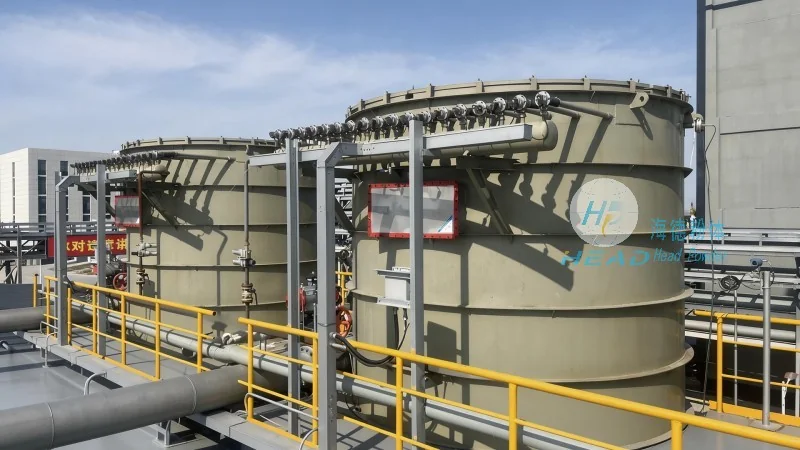
Overview of Glass-Blasted Microsphere Powder Pneumatic Conveying Equipment
Glass-blasted microspheres, also known as expanded glass microspheres, are spherical particles with a diameter typically ranging from 20 to 100 micrometers. They are produced by blowing glass into small bubbles and then expanding them, resulting in a lightweight, high-strength material. The pneumatic conveying equipment for these powders is engineered to transport the microspheres from a source to a destination using air or gas as the conveying medium. This method offers advantages over traditional mechanical conveying systems, such as reduced wear and tear on equipment and the ability to handle fine powders without clogging.
The Working Principle of Pneumatic Conveying Systems
The core of pneumatic conveying equipment lies in the principle of transporting particles through a pipeline using pressurized or vacuum air. In a typical positive pressure system, a blower or compressor generates high-pressure air that is introduced into the material feed point. The air flow creates a low-pressure zone that draws the microsphere powder into the pipeline, where it is carried to the destination. The system may include components like a hopper for material storage, a rotary valve for controlled discharge, a pipeline network, and a dust collector or cyclone separator to separate the powder from the air at the end of the conveying line.
In contrast, negative pressure (or vacuum) systems use a vacuum pump to create a low-pressure environment at the receiving end, pulling the powder from the source through the pipeline. Both systems rely on the balance between air velocity and particle size to ensure stable transport. The efficiency of the system is determined by factors such as air velocity, particle density, and pipeline length, with optimal conditions ensuring minimal particle degradation and energy consumption.
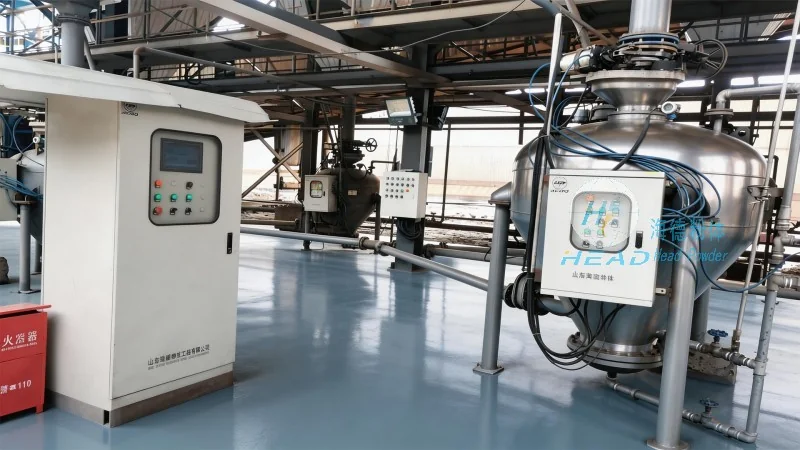
Key Features and Advantages of the Equipment
The pneumatic conveying equipment for glass-blasted microspheres from Shandong HeadPowder Engineering Co., Ltd. (headpowder) is designed with several notable features that enhance its performance and usability. One of the primary advantages is its high conveying efficiency, which allows for the rapid and continuous transport of large volumes of microsphere powder. The equipment is engineered to minimize energy consumption, making it a cost-effective solution for industrial applications where material handling is a critical process.
Another key feature is the equipment's adaptability to different particle sizes and flow rates. The system can be customized to handle a wide range of microsphere characteristics, from fine powders to larger granules, ensuring versatility in various industrial settings. Additionally, the equipment incorporates advanced separation technology, such as cyclone separators or bag filters, to maintain the purity of the conveyed material and prevent dust contamination in the environment.
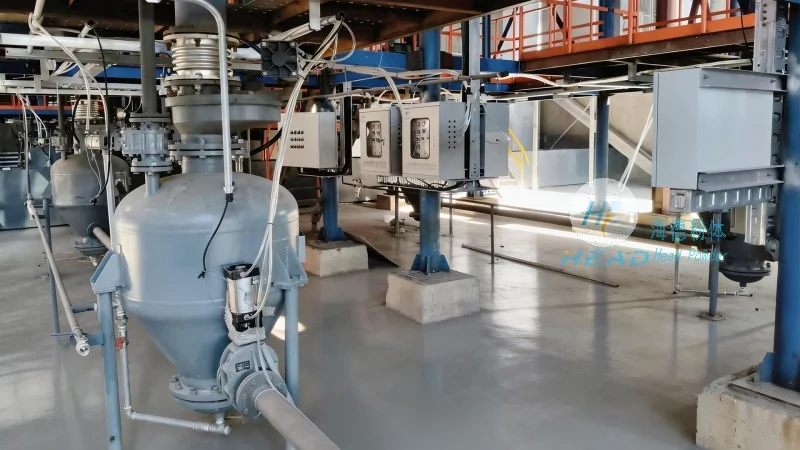
Environmental considerations are also a significant aspect of the equipment's design. The use of closed systems and efficient dust collection mechanisms reduces air pollution and ensures compliance with environmental regulations. This makes the equipment not only efficient but also environmentally friendly, aligning with modern industrial standards for sustainable operations.
Applications and Industrial Significance
The pneumatic conveying equipment for glass-blasted microspheres is widely used in industries such as construction, where the microspheres are incorporated into concrete and mortar to improve thermal insulation and reduce weight. In industrial manufacturing, the equipment facilitates the transport of microspheres to production lines for composite material production. The ability to handle fine powders without clogging or degradation makes this equipment essential for processes that require consistent material quality.
Shandong HeadPowder Engineering Co., Ltd., a leading manufacturer based in China, specializes in developing and producing advanced pneumatic conveying systems tailored to the needs of the glass-blasted microsphere industry. The company's commitment to innovation and quality ensures that their equipment meets the highest standards of performance and reliability. With a focus on customer-specific solutions, headpowder provides equipment that enhances operational efficiency and supports sustainable industrial practices.