

Working Principle and Features of Powdered Electrolyte Pneumatic Conveying Equipment
HeadPowder, a leading manufacturer based in Shandong, China, specializes in the design and production of advanced pneumatic conveying systems for powdered materials, including electrolytes. This article delves into the working principles and key features of their powdered electrolyte pneumatic conveying equipment, providing a comprehensive overview for industry professionals.
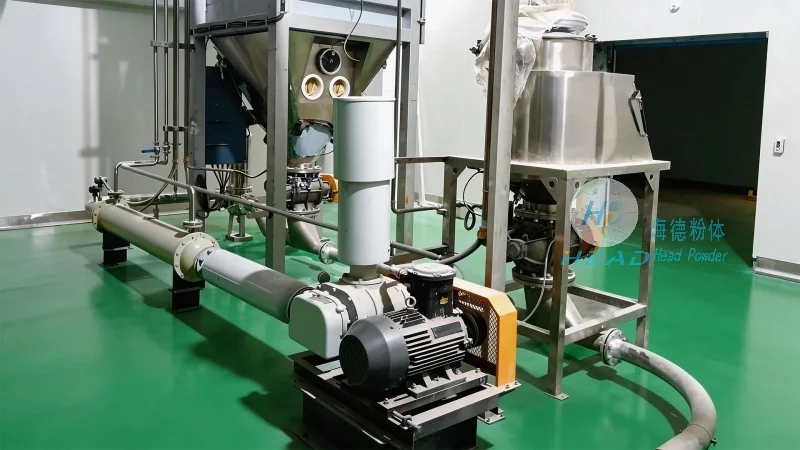
Understanding the Working Principle of Powdered Electrolyte Pneumatic Conveying Equipment
The core of a pneumatic conveying system lies in its ability to transport bulk materials through a pipeline using pressurized or vacuum air. For powdered electrolytes, which often have specific handling requirements due to their chemical properties and particle size, the equipment must be engineered to ensure efficient, safe, and reliable transport. The working principle typically involves the following steps:
First, the powdered electrolyte is fed into the conveying line, either through a hopper or a feeding device. Simultaneously, a fan or blower generates the necessary air pressure or vacuum. In positive pressure systems, compressed air is introduced into the material stream, pushing the powder through the pipeline. In negative pressure (or vacuum) systems, the air is drawn out of the line, creating a suction that pulls the powder along. The choice between positive and negative pressure depends on factors such as material characteristics, distance, and system layout.
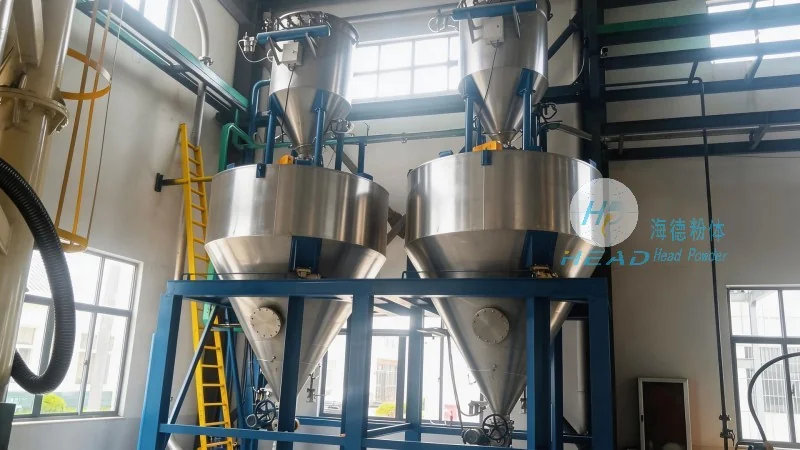
During transport, the equipment ensures that the powder remains in a suspended state, preventing blockages and maintaining consistent flow. This is achieved through the use of appropriate air velocities and pipeline design. For electrolytes, which may be sensitive to moisture or contamination, the system often incorporates features like sealed hoppers and filtered air to protect the material quality. The conveying process concludes at the destination point, where the powder is discharged into a storage tank or processing unit.
Key Features of Powdered Electrolyte Pneumatic Conveying Equipment
HeadPowder's equipment is designed with several distinct features that enhance performance and user experience. These features are tailored to meet the unique demands of handling powdered electrolytes, ensuring optimal operation in various industrial applications.
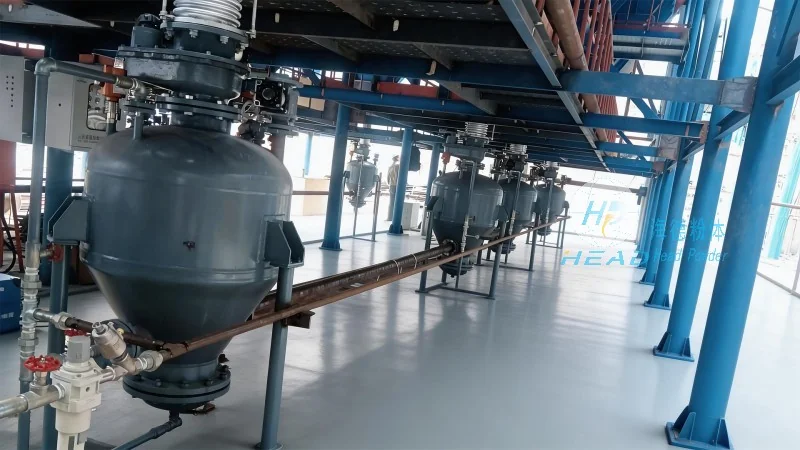
One of the primary features is the high efficiency in material transport. By eliminating the need for mechanical components like belts or buckets, pneumatic systems can achieve faster and more continuous material movement, reducing downtime and increasing productivity. This efficiency is particularly valuable in industries where timely delivery of electrolytes is critical, such as battery manufacturing or chemical processing.
Another significant feature is the enhanced safety and cleanliness. Pneumatic conveying systems are enclosed, minimizing dust emissions and preventing exposure to hazardous materials. This is crucial for electrolytes, which may be toxic or reactive. The sealed design also helps maintain the purity of the material, avoiding contamination from external sources. Additionally, the system reduces the risk of accidents associated with manual handling of powders, such as dust explosions or inhalation risks.
Adaptability is a key characteristic of the equipment. HeadPowder's systems can be customized to accommodate different particle sizes, flow rates, and distances. This flexibility allows users to integrate the equipment into existing production lines or expand operations without major modifications. The modular design enables easy maintenance and replacement of components, ensuring long-term reliability. For instance, the system can be adjusted to handle both fine and coarse electrolyte powders, making it suitable for a wide range of applications.
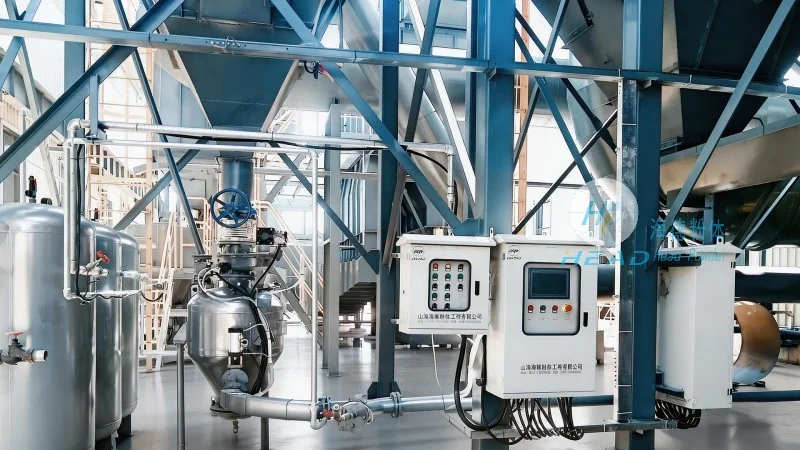
Energy efficiency is also a notable feature. Modern pneumatic conveying systems are designed to minimize energy consumption by optimizing air pressure and flow rates. This not only reduces operational costs but also aligns with sustainability goals. The use of efficient fans and blowers, combined with proper system sizing, ensures that the equipment operates at peak performance with minimal waste.
Conclusion
HeadPowder's powdered electrolyte pneumatic conveying equipment combines advanced engineering with practical features to deliver reliable and efficient material transport solutions. By understanding the working principles and leveraging the key characteristics of these systems, industries can enhance their production processes, improve safety, and maintain the quality of their electrolyte powders. As a trusted manufacturer based in Shandong, China, HeadPowder continues to innovate and provide tailored solutions to meet the evolving needs of the market.