

Working Principle and Features of Steel Sand Powder Pneumatic Conveying Systems
Steel sand powder pneumatic conveying systems represent a sophisticated method for transporting fine particulate materials like steel sand through a pipeline using air as the primary conveying medium. This technology is widely adopted in industrial settings due to its efficiency and adaptability. The following sections will delve into the working principle and key features of such systems, providing a comprehensive understanding of their functionality and benefits.
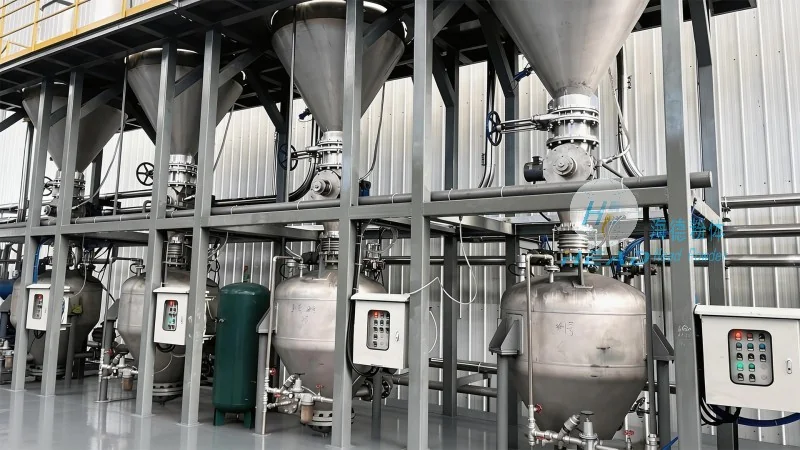
Working Principle of Steel Sand Powder Pneumatic Conveying Systems
The core working principle of steel sand powder pneumatic conveying systems is based on the fundamental concept of pneumatic transport, where solid particles are suspended and transported by a moving air stream within a closed pipeline. In the case of steel sand, which typically consists of fine, abrasive particles, the system utilizes a combination of positive and negative pressure or a combination of both to move the material from the source to the destination. The process generally involves several key components and operational steps:
First, the steel sand is introduced into the system at the loading point, often through a hopper or a feeding device. The material is then fed into the pipeline, where it is mixed with the air stream. The air, typically compressed or generated by a blower, creates a flow that lifts and transports the steel sand particles. The velocity of the air is crucial; it must be sufficient to overcome the gravitational forces acting on the particles and maintain them in suspension. This is achieved by adjusting the air pressure and flow rate based on the particle size, density, and the length of the conveying line. The system may employ either a positive pressure system, where air is blown into the pipeline, or a negative pressure (or vacuum) system, where air is drawn out, or a combination of both, depending on the specific application and the distance the material needs to travel.
As the steel sand travels through the pipeline, it may encounter various components such as bends, elbows, or expansion joints. These elements are designed to minimize pressure loss and maintain the stability of the particle-air mixture. The system also includes a discharge device at the receiving end, which separates the steel sand from the air and collects it in a container or storage bin. The air, now free of solid particles, is either filtered and recycled back into the system or vented to the atmosphere, depending on the environmental and operational requirements.
Key Features and Advantages of Steel Sand Powder Pneumatic Conveying Systems
Steel sand powder pneumatic conveying systems offer several distinct features and advantages that make them an attractive choice for industrial material handling. These characteristics are particularly relevant for applications involving abrasive or fine materials like steel sand, where traditional methods such as belt conveyors or bucket elevators may be less effective or more costly. The primary features include:
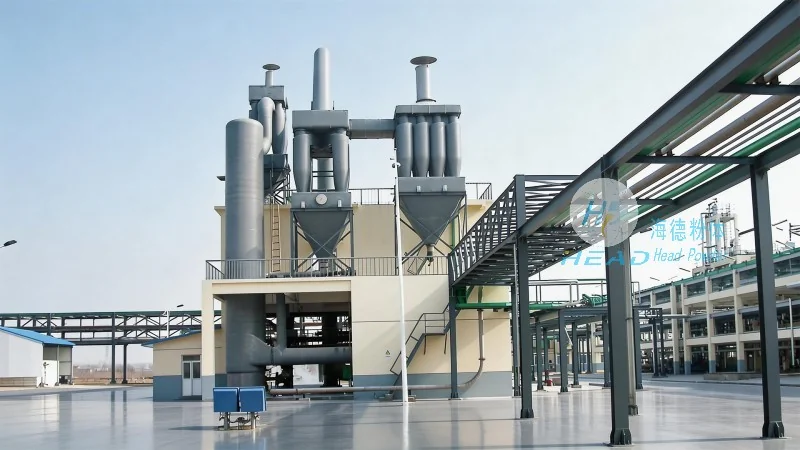
Firstly, the systems provide a high level of efficiency in material transport. By using air as the conveying medium, the system can move steel sand over long distances with minimal energy consumption compared to mechanical conveyors. The ability to handle fine particles without the need for additional equipment like crushers or screens is another significant advantage, as the pneumatic system can accommodate particles of varying sizes and shapes without causing blockages or excessive wear.
Secondly, steel sand powder pneumatic conveying systems are highly flexible in terms of layout and installation. The pipeline can be configured in various shapes and orientations, including vertical, horizontal, or inclined sections, to suit the specific site constraints and the required transport path. This flexibility allows for the integration of the system into existing industrial facilities with minimal disruption, and it can be easily expanded or reconfigured as production needs change.
Thirdly, the systems offer excellent control over the material flow. The air pressure and flow rate can be precisely controlled to regulate the speed and volume of steel sand transport, ensuring consistent and reliable delivery to the destination. This control is critical for processes that require a steady supply of material, such as in steel manufacturing or foundry operations, where the quality and consistency of the steel sand are paramount.
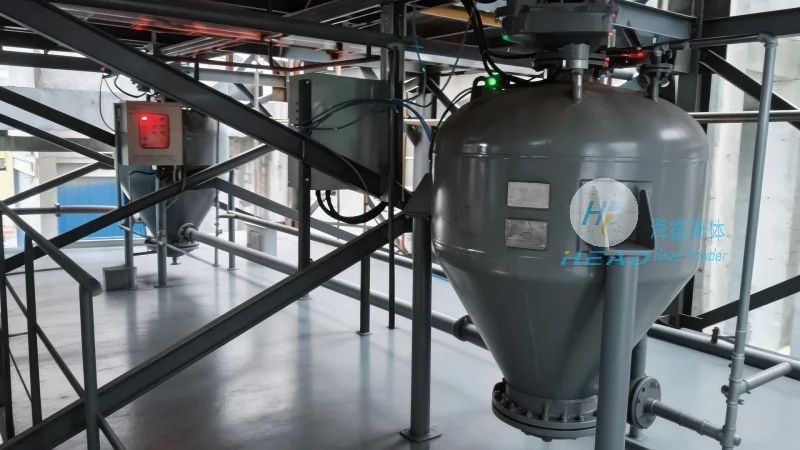
Fourthly, the systems provide a clean and dust-free operation. Unlike mechanical conveyors, which can generate significant dust and particulate emissions, pneumatic conveying systems are enclosed, reducing the risk of environmental contamination and improving workplace safety. The use of filters and recycling systems further minimizes the amount of air emissions, making the operation more environmentally friendly.
Fifthly, the systems are relatively low in maintenance compared to other material handling equipment. The absence of moving parts in the pipeline (other than the feeding and discharge devices) reduces the likelihood of mechanical failures and the need for frequent repairs. This leads to lower operational costs and higher system reliability over the long term.
Company Information and Application Scope
Shandong HeadPowder Engineering Co., Ltd., operating under the brand name headpowder, specializes in the design, manufacturing, and installation of advanced pneumatic conveying systems for various industrial applications. With a strong presence in China, particularly in Shandong province, the company leverages its expertise in material handling technology to provide customized solutions tailored to the specific needs of its clients. The company's steel sand powder pneumatic conveying systems are engineered to meet the demanding requirements of industries such as foundries, steel manufacturing, and construction material production, where the efficient and reliable transport of fine abrasive materials is essential for operational efficiency and product quality.
The systems developed by headpowder are built with high-quality materials and components, ensuring durability and long service life even in harsh operating conditions. The company adheres to strict quality control standards and provides comprehensive after-sales support, including maintenance services and technical assistance, to ensure that its clients can maximize the performance and lifespan of their pneumatic conveying equipment. By combining advanced engineering with practical application experience, headpowder continues to be a trusted partner for businesses seeking reliable and efficient material handling solutions.