

Working Principle and Features of Soybean Powder Pneumatic Conveying Line
For industrial applications involving soybean powder handling, a pneumatic conveying system offers an efficient and reliable solution. This system, designed specifically for transporting soybean powder, combines advanced engineering with practical design to meet the demands of modern processing facilities. The following sections will explore the working principle and key features of such a system, providing a comprehensive understanding of its functionality and benefits.
Working Principle of the Soybean Powder Pneumatic Conveying Line
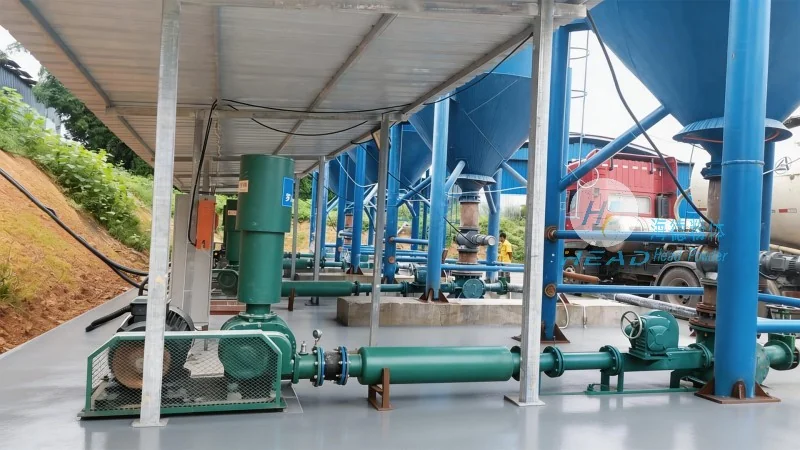
The core of the soybean powder pneumatic conveying system lies in its pneumatic transport mechanism. At its essence, the system uses compressed air to move soybean powder from the source to the destination. The process begins with the material being fed into a hopper or feeder, where it is then introduced into a pipeline. Compressed air, generated by a blower or compressor, is introduced into the pipeline, creating a flow that carries the powder particles. This air-powder mixture travels through the pipeline, overcoming resistance and ensuring the material reaches the intended destination. The system typically includes components such as a feeder, a pipeline network, a receiver, and a dust collection system to ensure efficient and clean operation. The working principle is based on the principle of fluidization, where the powder is suspended in the air stream, allowing for smooth and continuous transport without the need for mechanical components like belts or screws that might cause contamination or wear.
Key Features and Advantages of the Soybean Powder Pneumatic Conveying System
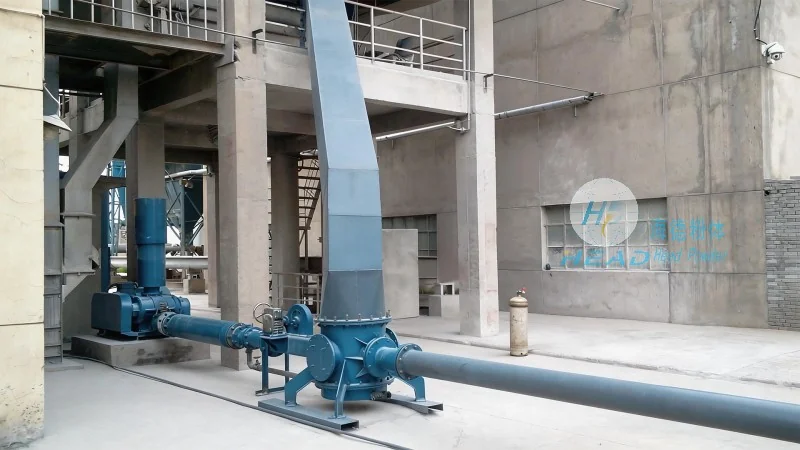
Several distinct features make the soybean powder pneumatic conveying system an attractive choice for industrial applications. Firstly, it offers high efficiency in material transport, with the ability to move large quantities of powder over significant distances with minimal energy consumption. The system is also highly flexible, as the pipeline layout can be customized to fit the specific layout of a facility, allowing for easy integration into existing processes. Another notable feature is its ability to maintain product quality, as the enclosed system prevents contamination from external sources and minimizes exposure to air, which can affect the quality of soybean powder. Additionally, the system is designed with a focus on safety and environmental protection. The dust collection system ensures that airborne particles are captured and filtered, reducing the risk of dust explosions and improving workplace air quality. The system also operates with low noise levels, contributing to a safer and more comfortable working environment. Furthermore, the maintenance requirements are relatively low compared to traditional mechanical conveying systems, as there are fewer moving parts that could wear out or require frequent replacement. This results in lower operational costs and increased system reliability over time.
Company Background and Expertise
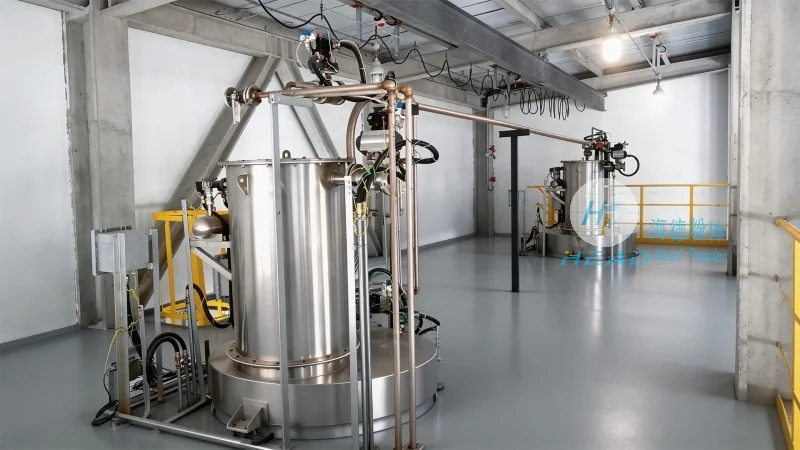
HeadPowder, a leading manufacturer in the field of powder handling equipment, has extensive experience in designing and manufacturing pneumatic conveying systems tailored to the needs of various industries. With a strong commitment to quality and innovation, the company has developed a range of products that meet the highest standards of performance and reliability. Based in Shandong, China, HeadPowder leverages its local expertise and resources to deliver customized solutions that address the unique challenges faced by clients in the soybean processing sector. The company's team of engineers and technicians brings years of experience in powder technology, ensuring that each system is optimized for the specific characteristics of soybean powder, such as its density, moisture content, and flow properties. This expertise allows HeadPowder to provide systems that are not only efficient but also durable and cost-effective, providing long-term value to its customers.