

Working Principle and Features of Small Bag Material Pneumatic Conveying Systems
Small bag material pneumatic conveying systems represent a sophisticated solution for the efficient and reliable transportation of bulk materials from one location to another. These systems are particularly valuable in industries where handling loose, granular, or powdery substances is essential, such as in chemical, food, pharmaceutical, and agricultural sectors. The technology leverages the principles of air pressure to move materials through a sealed pipeline network, ensuring minimal product contamination and operational efficiency.
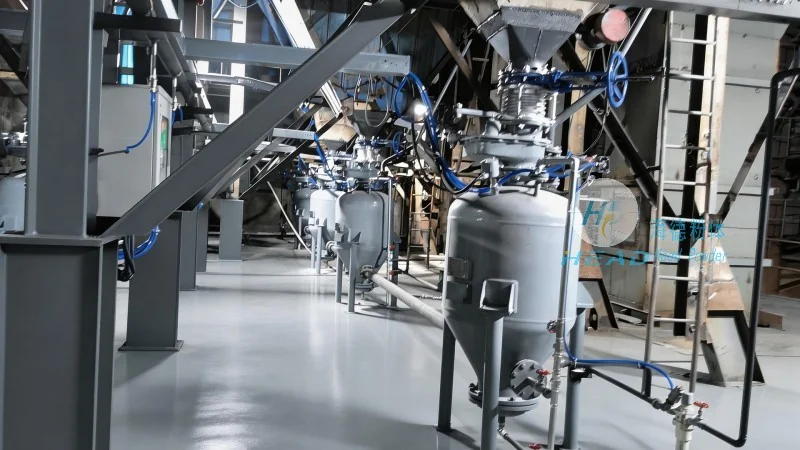
Working Principle of Small Bag Material Pneumatic Conveying Systems
The core mechanism of a small bag material pneumatic conveying system revolves around the use of compressed air to create a flow that propels material particles through a system of pipes. The process typically begins with the loading of material into a hopper or feeder, where it is then introduced into the conveying line. A blower or air compressor generates the necessary air pressure, which is directed into the pipeline. As air and material are mixed, the material is entrained and carried along the pipeline to the destination point. At the receiving end, a separator or cyclone separates the material from the air, allowing the material to be deposited into a storage bin or processing unit, while the air is either filtered and recirculated or vented to the atmosphere.
Key Components and Their Functions
Several critical components work in tandem to ensure the smooth operation of a small bag material pneumatic conveying system. The primary components include the material feeder, which controls the flow rate of material into the system; the air compressor or blower, which provides the motive force; the conveying pipeline, which transports the material; the separator or cyclone, which separates material from air; and the receiver or storage vessel, which holds the delivered material. Each component is designed to optimize performance and ensure consistent operation, minimizing downtime and maximizing material throughput.
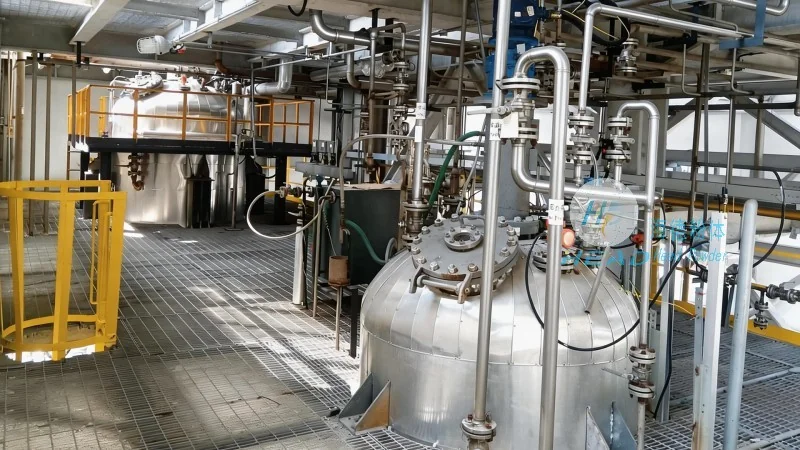
Advantages and Features of Small Bag Material Pneumatic Conveying Systems
Small bag material pneumatic conveying systems offer numerous advantages that make them a preferred choice for material handling applications. One of the most significant benefits is their ability to handle a wide range of materials, including powders, granules, and even small particles, without causing contamination or degradation. The sealed pipeline design prevents exposure to dust, moisture, or external contaminants, maintaining product quality throughout the conveying process. Additionally, these systems are highly efficient in terms of energy consumption and space utilization, as they can transport large volumes of material over considerable distances with minimal labor requirements. The modular design of the systems allows for easy expansion or integration with existing processing equipment, providing flexibility for growing operations.
Application Scenarios and Industry Use Cases
Small bag material pneumatic conveying systems are widely applied across various industries due to their adaptability and efficiency. In the chemical industry, they are used to transport raw materials such as powders and granules to reactors and storage tanks, ensuring a continuous supply of ingredients. In the food and pharmaceutical sectors, the systems are employed to handle ingredients like flour, sugar, and powders, maintaining strict hygiene standards and preventing cross-contamination. Agricultural applications include the transportation of grain, seeds, and other bulk agricultural products from storage facilities to processing plants. The systems are also utilized in the plastics and ceramics industries for moving raw materials to production lines, where precise control over material flow is critical.
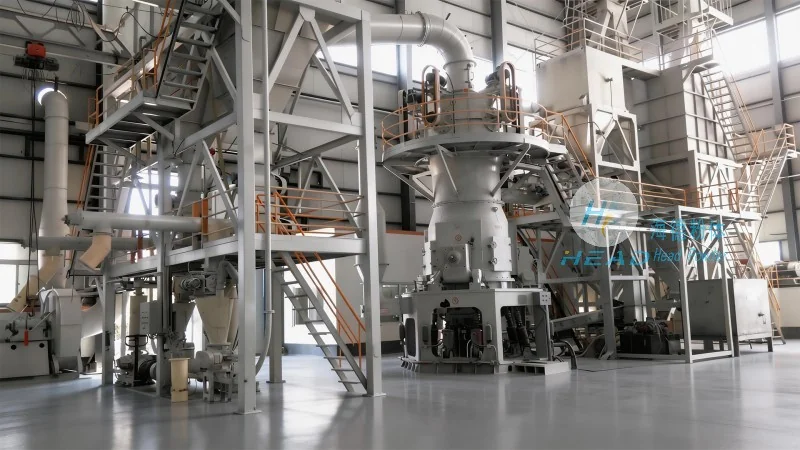
Operational Considerations and Maintenance
Proper operation and maintenance are essential to maximize the lifespan and performance of small bag material pneumatic conveying systems. Regular inspection of components such as the air compressor, pipeline, and separator is necessary to identify and address potential issues before they lead to system failure. Filters and air dryers should be maintained to ensure clean and dry air, preventing the buildup of moisture or debris that could affect material quality or system efficiency. The material feeder should be adjusted to maintain a consistent flow rate, as fluctuations can impact the overall conveying performance. Additionally, monitoring air pressure and flow rates provides insights into system health and allows for timely adjustments to optimize operation.
Conclusion
Small bag material pneumatic conveying systems represent a reliable and efficient solution for the transportation of bulk materials in various industrial applications. By leveraging air pressure to move materials through a sealed pipeline, these systems offer advantages such as minimal contamination, high throughput, and flexibility. With proper design, installation, and maintenance, they can significantly enhance operational efficiency and product quality for businesses in sectors ranging from chemical and food processing to agriculture and manufacturing. The technology continues to evolve, with advancements in materials and control systems further improving performance and reliability, making small bag material pneumatic conveying systems an essential component of modern material handling infrastructure.