

Working Principle and Features of a Baking Flour Material Pneumatic Conveying System
Shandong HeadPowder Engineering Co., Ltd., a leading manufacturer in the field of material handling solutions, specializes in providing advanced pneumatic conveying systems tailored for the baking industry. This article explores the working principle and key features of a typical baking flour material pneumatic conveying system, highlighting how such systems enhance operational efficiency and product quality in flour processing and distribution.
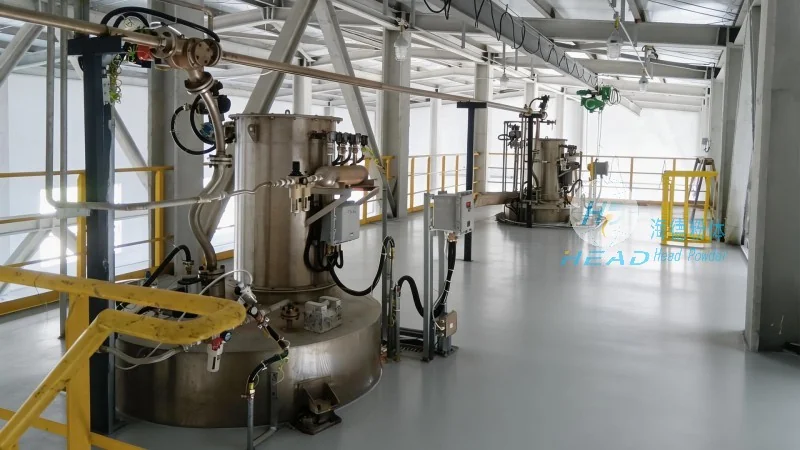
Overview of Baking Flour Pneumatic Conveying Systems
Baking flour, as a fine powder with specific handling requirements, demands specialized equipment to ensure safe, efficient, and hygienic transport from storage silos to production lines. A pneumatic conveying system utilizes air or gas as the medium to move bulk materials through a network of pipes, eliminating the need for mechanical components like belts or buckets that may cause contamination or product degradation. This technology is particularly advantageous for handling sensitive materials like flour, which are prone to clumping, caking, or contamination from external sources.
The Working Principle of a Baking Flour Pneumatic Conveying System
The core mechanism of a pneumatic conveying system for baking flour involves the generation of airflow within a closed pipe system. The system typically operates under either positive pressure (pressure conveying) or negative pressure (suction conveying), depending on the application and material characteristics. In a positive pressure system, a high-pressure blower or fan forces air and flour particles through the pipeline, while in a negative pressure system, a vacuum pump draws the material and air mixture into the pipe. The key components include a hopper or silo for material storage, a feeder to control the flow rate, a conveying line with appropriate pipe diameter and bends, and a receiver or discharge point where the flour is deposited.
During operation, the feeder (often a rotary valve or screw feeder) releases a controlled amount of flour into the pipeline. The air, introduced by the blower or vacuum pump, creates a flow that entrains the flour particles, forming a dense or dilute phase mixture. The velocity of the air is critical: it must be sufficient to lift and transport the flour particles without causing excessive wear on the system components or degradation of the flour quality. The system is designed to maintain consistent airflow and pressure, ensuring reliable and continuous material transport from the source to the destination.
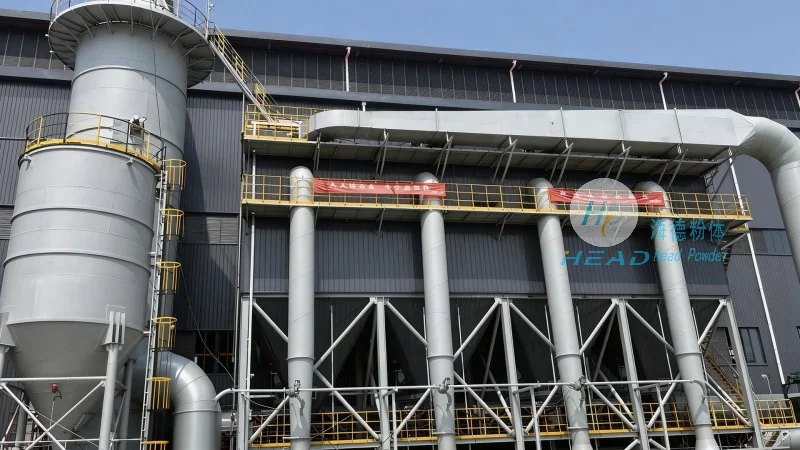
Key Features and Advantages of Baking Flour Pneumatic Conveying Systems
Shandong HeadPowder Engineering Co., Ltd. offers pneumatic conveying systems with several distinctive features that make them ideal for baking flour applications. These systems are engineered to meet stringent hygiene standards, with smooth, easy-to-clean surfaces and sealed components that prevent contamination from external sources. The use of stainless steel or food-grade materials in construction ensures compliance with industry regulations and maintains the purity of the flour.
One of the primary advantages is the ability to handle fine powders without the need for additional equipment like conveyors or elevators, which can cause product degradation or cross-contamination. The pneumatic system provides a clean and dust-free transfer process, reducing the risk of product spoilage and improving overall product quality. Additionally, these systems offer flexibility in layout, as the pipeline can be configured to follow the existing plant layout, minimizing space requirements and installation costs.
Another notable feature is the energy efficiency of modern pneumatic conveying systems. Advanced blower designs and optimized airflow management reduce energy consumption while maintaining high conveying rates. The systems also incorporate safety features such as pressure relief valves and overload protection to prevent equipment damage and ensure safe operation. Furthermore, the modular design allows for easy expansion or modification as production needs change, providing long-term value and adaptability.
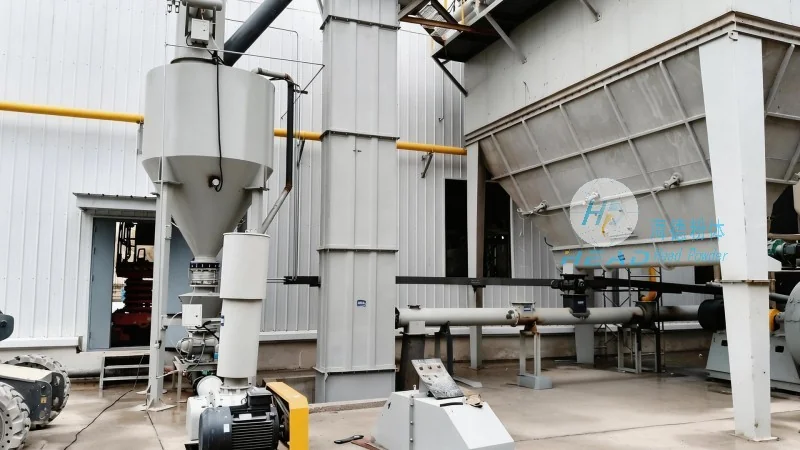
Application and Operational Benefits in Baking Industry
In the baking industry, the efficient handling of flour is crucial for maintaining consistent product quality and reducing downtime. A pneumatic conveying system from Shandong HeadPowder Engineering Co., Ltd. addresses these needs by providing a reliable, hygienic, and efficient method of transporting flour from storage to mixing or packaging areas. The system's ability to handle fine powders without degradation ensures that the flour retains its texture, flavor, and nutritional properties, which are essential for producing high-quality baked goods.
Operational benefits include reduced labor costs due to automated material handling, minimized product loss and waste, and improved safety by eliminating manual handling of bulk materials. The system also contributes to better inventory management by enabling precise control over the flow rate and quantity of flour being conveyed, preventing overstocking or shortages. Overall, the adoption of a pneumatic conveying system for baking flour enhances the operational efficiency, product quality, and cost-effectiveness of baking operations.
Conclusion
Shandong HeadPowder Engineering Co., Ltd. specializes in designing and manufacturing advanced pneumatic conveying systems tailored to the specific needs of the baking industry. By understanding the working principles and leveraging key features such as hygienic design, energy efficiency, and flexibility, these systems provide an effective solution for the transport of baking flour. The benefits of using a pneumatic conveying system extend beyond mere material handling, contributing to improved product quality, operational efficiency, and overall business performance in the baking sector.