

[WOKING PRINCIPLE AND FEATURES OF SUGAR MATERIAL PNEUMATIC CONVEYING SYSTEMS]
HeadPowder, a leading engineering company based in Shandong, China, specializes in the design and manufacturing of advanced pneumatic conveying systems for various bulk materials, including sugar. This article explores the fundamental working principles and key characteristics of sugar material pneumatic conveying lines, providing insights into their operational efficiency and practical applications.
Working Principle of Sugar Material Pneumatic Conveying Lines
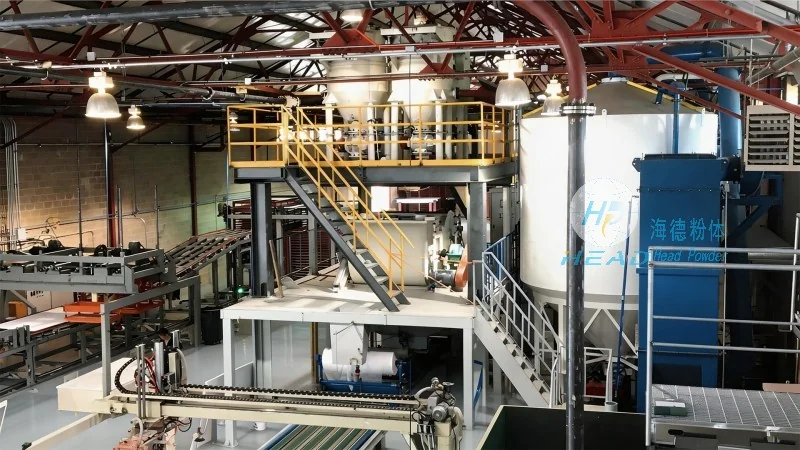
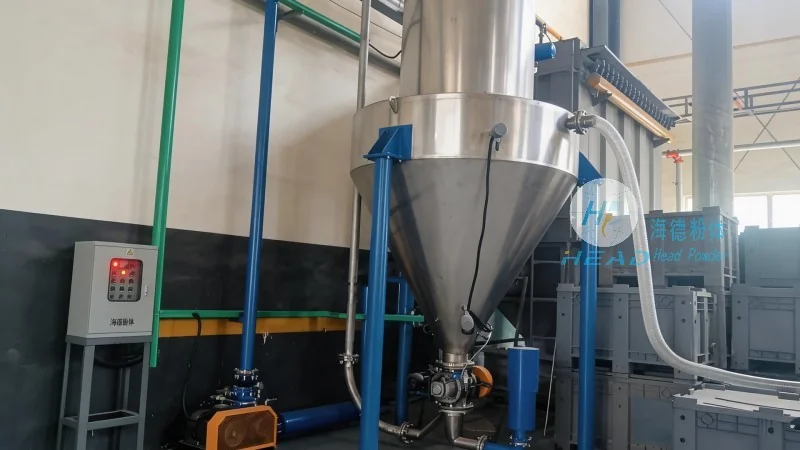
Sugar material pneumatic conveying systems operate by utilizing compressed air or gas to transport bulk sugar particles from one location to another. The core mechanism involves creating a pressure differential between the inlet and outlet of the conveying line. As air is introduced into the system, it generates a flow that lifts and propels the sugar particles through the pipeline. The process typically involves a series of components, including a hopper for material storage, a feeder to control the flow rate, a conveying line (often made of stainless steel or other corrosion-resistant materials), and a receiver for the delivered sugar. The air flow can be either positive pressure (where air pushes the material forward) or negative pressure (where air pulls the material through a vacuum), depending on the system design and application requirements. The efficiency of the conveying process is directly influenced by factors such as air velocity, particle size, and the moisture content of the sugar, as these variables affect the drag force and the ability of the air to transport the material without degradation. For example, in positive pressure systems, the air is forced into the conveying line, creating a pressure higher than the ambient air, which pushes the sugar particles forward. In negative pressure systems, a vacuum is created at the receiver end, drawing the sugar particles through the line. The choice between these two methods depends on the distance to be covered, the material's properties, and the desired level of containment. The system's design also includes filters and cyclones to separate the air from the sugar particles at the receiver, ensuring that the delivered sugar is clean and free from dust or debris.
Key Features and Advantages of Sugar Material Pneumatic Conveying Systems
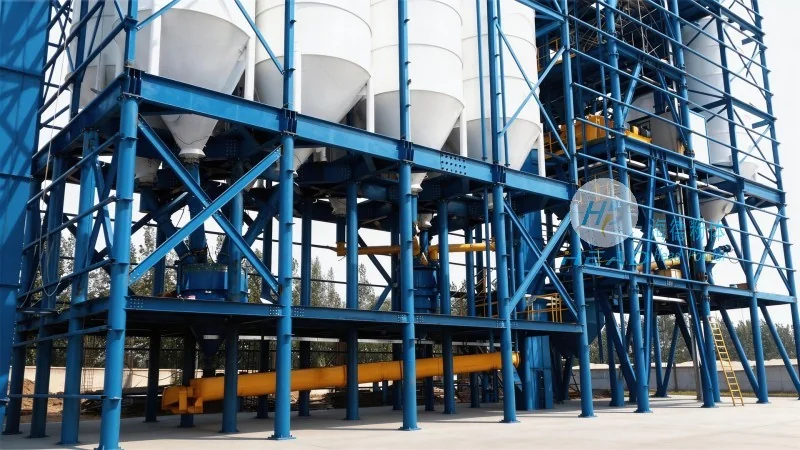
HeadPowder's sugar material pneumatic conveying lines are engineered with several distinct features that enhance performance and reliability. One of the primary advantages is the ability to handle fine or granular sugar particles without the need for mechanical components like belts or buckets, which can cause wear and tear or contamination. The system's design minimizes product degradation, as the sugar remains in a closed environment, reducing exposure to air, moisture, and physical stress. Additionally, pneumatic conveying systems offer high throughput rates, allowing for efficient material transfer over long distances, which is crucial in large-scale sugar processing facilities. The flexibility of the system allows for easy integration with existing production lines, and the modular design enables scalability to accommodate varying production volumes. Another notable feature is the reduced maintenance requirements compared to traditional mechanical conveyors, as there are fewer moving parts that can fail or require regular servicing. The environmental benefits are also significant, as the system eliminates the need for dust collection systems associated with mechanical conveying, contributing to a cleaner and safer working environment. Furthermore, the energy efficiency of modern pneumatic conveying systems, particularly those using optimized air flow and pressure control, helps to lower operational costs while maintaining high performance standards. For instance, advanced control systems can adjust the air pressure and flow rate in real-time based on the material feed rate, optimizing energy consumption without compromising conveying efficiency. The system's corrosion-resistant materials, such as stainless steel, ensure long-term durability, especially in environments where sugar may have high moisture content or acidic properties. This durability reduces the frequency of system replacements and maintenance, providing a cost-effective solution for sugar processing plants.
Conclusion and Company Overview
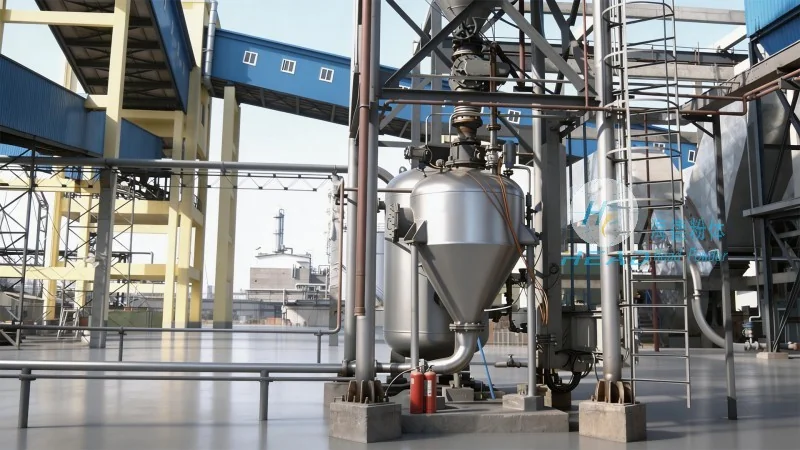
HeadPowder Engineering Co., Ltd., based in Shandong, China, is a trusted provider of high-quality sugar material pneumatic conveying systems. By combining advanced engineering, robust materials, and efficient design, their systems offer reliable performance and cost-effective solutions for sugar processing industries. The working principles and features discussed above highlight the advantages of pneumatic conveying in terms of efficiency, product integrity, and operational flexibility. With a focus on customer needs and technological innovation, HeadPowder continues to deliver solutions that meet the evolving demands of the sugar industry, ensuring safe, efficient, and sustainable material handling processes.