

Principle and Working Scene Characteristics of Magnesium Oxide Powder Pneumatic Conveying Equipment
For industrial applications involving the handling of magnesium oxide powder, efficient and reliable material transport is crucial. Magnesium oxide (MgO), also known as magnesia, is a white solid with high chemical reactivity and a fine particle size, making traditional bulk material handling methods challenging. This is where pneumatic conveying systems come into play, offering a solution that minimizes dust, reduces material degradation, and enhances overall process efficiency. The following sections will explore the fundamental principles behind pneumatic conveying for magnesium oxide powder and the specific working scene characteristics that define its application.
Principle of Pneumatic Conveying for Magnesium Oxide Powder
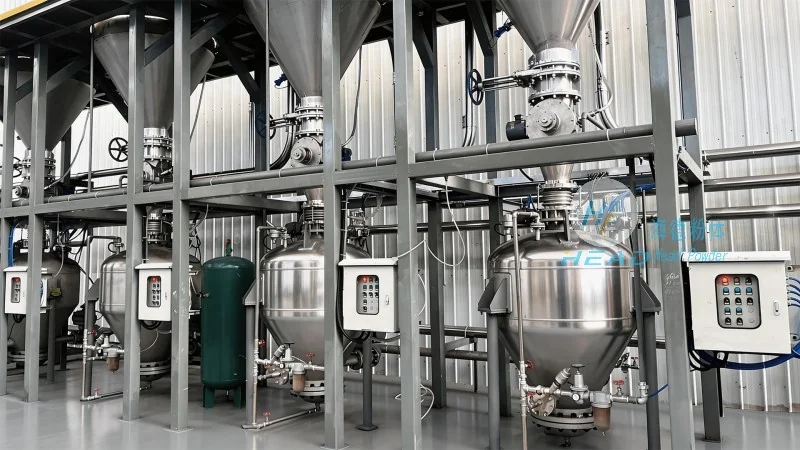
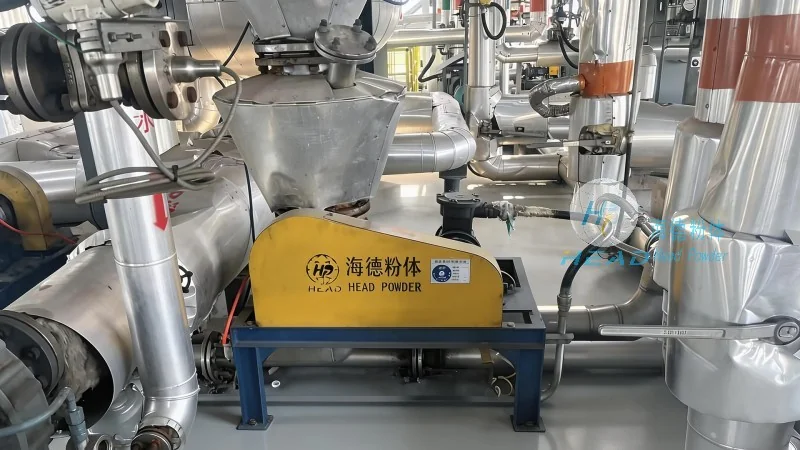
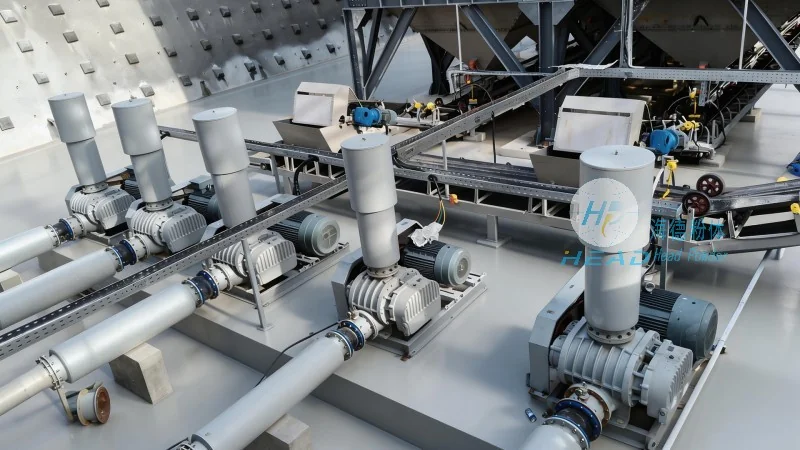
The core principle of pneumatic conveying is the use of a gas stream (typically air) to transport solid particles through a pipeline. In the case of magnesium oxide powder, the system operates by creating a pressure differential or using a vacuum to draw the powder into the conveying line. The process can be categorized into two main types: pressure and vacuum systems. Pressure systems use a positive pressure to push the material through the pipeline, while vacuum systems use a negative pressure to pull the material. For magnesium oxide powder, which is often sensitive to moisture and degradation, pressure systems are commonly preferred as they provide better control over the material's flow and reduce the risk of particle breakage. The equipment typically includes a hopper for material storage, a feeder to control the flow rate, a conveying line, and a receiver for the discharged material. The feeder is critical as it must handle the fine, cohesive nature of magnesium oxide powder without causing blockages or excessive pressure buildup. The conveying line is designed with smooth, corrosion-resistant materials to prevent particle adhesion and ensure consistent flow. The receiver is equipped with dust collection and filtration systems to maintain air quality and comply with environmental regulations. The entire system is powered by a blower or compressor, which provides the necessary air pressure to move the material. The principle of operation involves feeding the magnesium oxide powder into the hopper, where it is then drawn into the feeder. The feeder meters the material at a controlled rate and introduces it into the conveying line. The air from the blower is introduced at the inlet of the line, creating a high-velocity stream that entrains the powder particles. The mixture of air and powder travels through the pipeline, with the air velocity maintained above the minimum required to keep the particles suspended. At the end of the line, the air and powder separate in the receiver, where the powder is collected and the air is filtered and discharged. This process is continuous and can be adjusted to handle varying material volumes and flow rates, making it suitable for both small-scale and large-scale industrial operations.