

Principle and Working Scene Characteristics of a Metering Bin Pump Pneumatic Conveying Machine
Welcome to Shandong HeadPowder Engineering Co., Ltd., a leading manufacturer specializing in advanced pneumatic conveying solutions. This article delves into the fundamental principles and operational characteristics of metering bin pumps, a critical component in modern material handling systems. By understanding these aspects, industries can optimize their material transport processes, enhance efficiency, and ensure reliable performance in diverse applications.
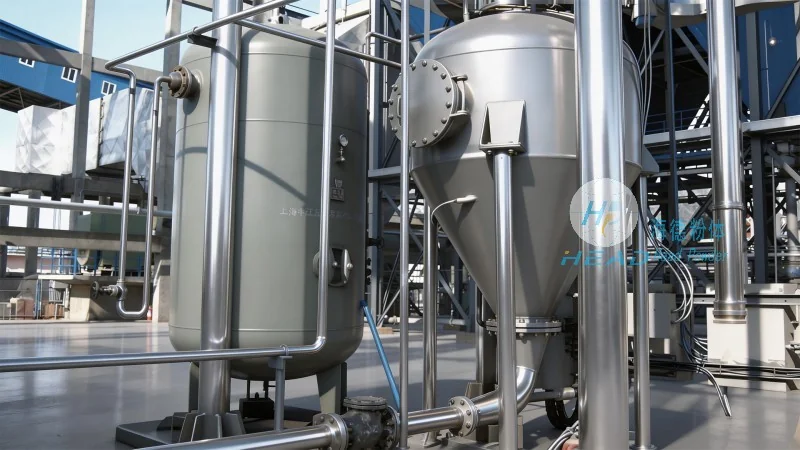
The Core Principle of Metering Bin Pumps
Metering bin pumps, also known as positive displacement pumps, operate on a distinct principle that sets them apart from other pneumatic conveying equipment. At the heart of this technology is the ability to precisely control the volume of material being conveyed. The pump mechanism typically consists of a hopper or bin where bulk materials are stored, and a piston or diaphragm that moves in a reciprocating motion. As the piston moves, it creates a vacuum that draws material from the bin into the pump chamber. Subsequently, the piston pushes the material forward through a pipeline under pressure, ensuring a consistent and controlled flow rate. This mechanism allows for accurate dosing and transport of materials, making metering bin pumps ideal for applications requiring precise material measurement and delivery.
Key Working Scene Characteristics
The effectiveness of metering bin pumps is significantly influenced by their working scene characteristics, which include operational environment, material properties, and system integration. In industrial settings, these pumps are often deployed in environments where material handling demands high efficiency and reliability. The working scene may involve transporting powders, granules, or bulk solids over varying distances, with the pump's design accommodating different pipeline configurations and pressure requirements. Material properties such as particle size, moisture content, and flowability directly impact the pump's performance, as these factors determine the ease of material movement and the risk of blockages. Furthermore, the integration of metering bin pumps with other equipment, such as silos, hoppers, and control systems, is crucial for achieving seamless material flow and process automation. The working scene characteristics also encompass factors like maintenance accessibility and operational safety, ensuring that the pump can be efficiently maintained and operated without compromising workplace safety.
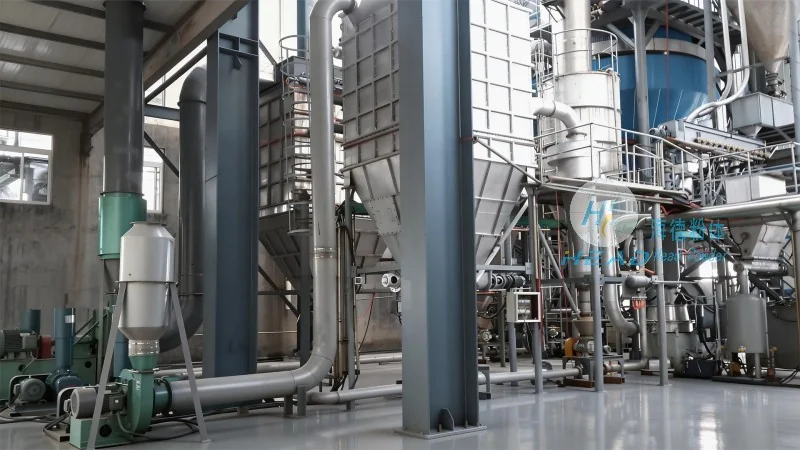
Applications and Industry Relevance
Metering bin pumps find widespread application across various industries, including chemical, pharmaceutical, food processing, and mining. In the chemical industry, these pumps are used to transport reactive powders and granules, where precise dosing is essential to maintain process consistency and safety. The pharmaceutical sector relies on metering bin pumps for handling active ingredients and excipients, ensuring that material is delivered accurately and hygienically. Food processing industries utilize these pumps for transporting dry ingredients like flour, sugar, and spices, where contamination control and product quality are paramount. In mining operations, metering bin pumps are employed to transport bulk ores and minerals from storage bins to processing equipment, enhancing operational efficiency and reducing downtime. The versatility of metering bin pumps makes them a preferred choice in scenarios where material handling requires both precision and reliability.
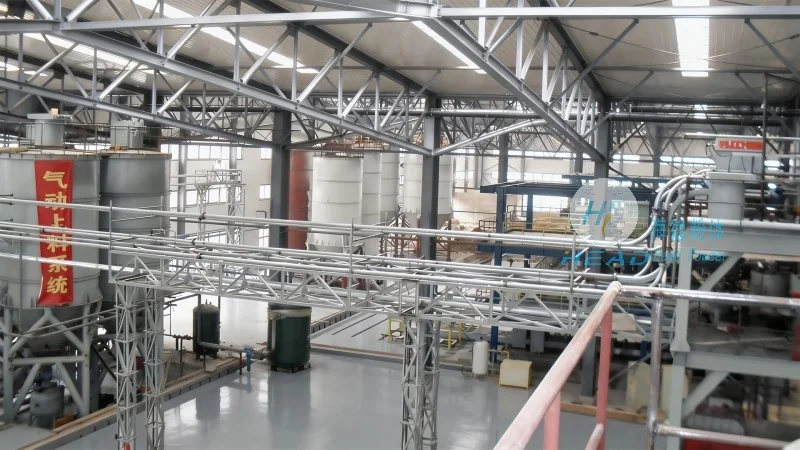
Advantages and Technical Specifications
One of the primary advantages of metering bin pumps is their ability to deliver consistent material flow rates, which is critical for processes that demand precise control. Unlike other pneumatic conveying systems, metering bin pumps offer a positive displacement mechanism that minimizes material variability, ensuring stable performance even with fluctuating material conditions. Another key advantage is their adaptability to different material types and operating pressures, making them suitable for a wide range of industrial applications. Technical specifications of metering bin pumps typically include parameters such as maximum conveying capacity, pressure range, and material compatibility. These specifications are tailored to meet the specific requirements of each application, ensuring optimal performance and longevity. Additionally, the design of metering bin pumps often incorporates features like wear-resistant materials and easy maintenance access, enhancing their durability and operational efficiency.
Conclusion and Company Overview
In conclusion, metering bin pumps represent a sophisticated solution for material handling in modern industrial settings. Their fundamental principle of precise volume control, combined with their adaptability to diverse working scene characteristics, makes them an indispensable component in many material transport systems. Shandong HeadPowder Engineering Co., Ltd. specializes in the design, manufacturing, and supply of high-quality metering bin pumps, catering to the needs of various industries. With a focus on innovation and customer satisfaction, the company ensures that its products meet the highest standards of performance and reliability. By understanding the principles and characteristics of metering bin pumps, industries can optimize their material handling processes, improve operational efficiency, and achieve greater productivity. For more information about our products and services, please contact us at our office located in Shandong, China.