

Principle and Working Scene Characteristics of Aluminum Dross Pneumatic Conveying Equipment
Aluminum dross, a byproduct generated during the aluminum smelting and processing operations, poses significant challenges in terms of handling and disposal. The efficient and safe management of aluminum dross is crucial for maintaining operational efficiency and environmental compliance in aluminum production facilities. Pneumatic conveying systems have emerged as a reliable solution for transporting aluminum dross from production lines to processing or disposal areas. This article explores the fundamental principles behind aluminum dross pneumatic conveying equipment and highlights the key working scene characteristics that make such systems suitable for various industrial applications.
Principle of Aluminum Dross Pneumatic Conveying
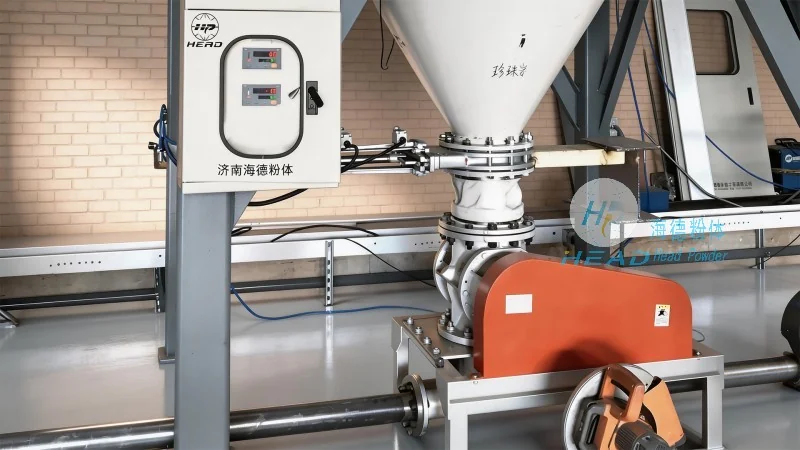
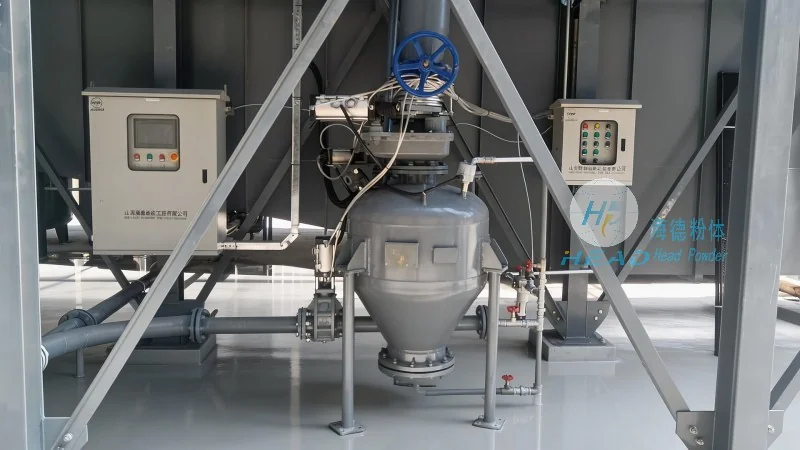
The core principle of aluminum dross pneumatic conveying involves the use of air as the conveying medium to transport solid particles, in this case, aluminum dross, through a pipeline system. The process typically operates under negative pressure (suction) or positive pressure (blowing) conditions, depending on the specific application requirements. In suction mode, a vacuum is created at the inlet of the conveying line, drawing aluminum dross particles into the pipeline along with air. In positive pressure mode, compressed air is introduced at the discharge end, pushing the material through the system. The selection between suction and pressure modes depends on factors such as the distance to be covered, the material's properties, and the layout of the production facility. The pneumatic conveying system consists of several key components, including a hopper for material storage, a rotary valve or feeder to control the flow rate, a conveying line (often made of stainless steel to resist corrosion from aluminum dross), a separator to separate the material from the air at the receiving end, and a dust collector to capture any airborne particles. The system's efficiency and reliability are largely determined by the design and integration of these components, ensuring that aluminum dross is transported without blockages or excessive wear on the equipment.
Working Scene Characteristics of Aluminum Dross Pneumatic Conveying
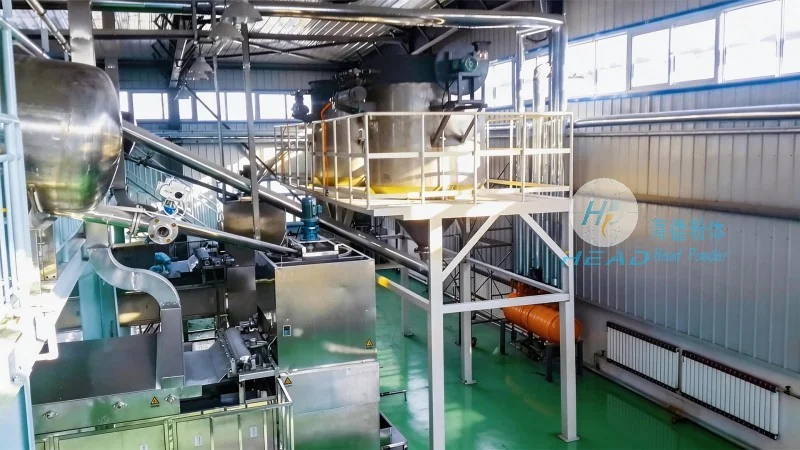
The suitability of aluminum dross pneumatic conveying systems is determined by several working scene characteristics that align with the operational needs of aluminum processing facilities. One of the primary characteristics is the ability to handle abrasive and corrosive materials. Aluminum dross often contains high levels of silica and other abrasive particles, which can cause wear on conventional conveyor components. The use of stainless steel construction for the conveying line and components, as well as the incorporation of wear-resistant materials in critical parts, ensures the longevity and durability of the system under such conditions. Another important characteristic is the system's flexibility in handling varying material flow rates. In aluminum production, the volume of dross generated can fluctuate based on production schedules and processing rates. Pneumatic conveying systems can be equipped with adjustable feeders and variable speed drives, allowing operators to modulate the material flow to match production demands, thereby preventing overloading or underutilization of the equipment.
Application Scenarios in Aluminum Processing Facilities
Aluminum dross pneumatic conveying systems are widely employed in various working scenes within aluminum processing facilities. In primary aluminum smelting plants, these systems are used to transport dross from the casting and refining stages to the dross treatment or recycling units. The systems are typically integrated into the production line, with the inlet hopper positioned near the dross collection points and the outlet connected to the treatment equipment. This integration minimizes the need for manual handling of dross, reducing labor costs and improving workplace safety. In secondary aluminum processing facilities, such as dross recycling plants, pneumatic conveying is used to move dross from storage bins to the melting furnaces or other processing equipment. The systems in these scenarios often operate under positive pressure to ensure the material is delivered efficiently to the high-temperature processing areas. Additionally, in aluminum extrusion and rolling facilities, where dross is generated during the finishing and quality control processes, pneumatic conveying systems are used to collect and transport the dross to the recycling units, ensuring that the material is not lost or contaminated during the handling process.
Advantages and Considerations for Aluminum Dross Pneumatic Conveying
Implementing aluminum dross pneumatic conveying systems offers several advantages that make them a preferred choice for aluminum processing facilities. One of the key advantages is the reduction in manual handling, which not only improves workplace safety by minimizing exposure to dust and heavy materials but also reduces labor costs associated with manual dross collection and transport. The systems also contribute to improved environmental compliance by containing the dross within a closed pipeline system, preventing dust emissions and ensuring that the material is handled in a controlled manner. Another advantage is the ability to transport dross over long distances without the need for multiple transfer points or intermediate storage, which simplifies the overall material flow and reduces the risk of material loss or contamination. However, there are also considerations to keep in mind when selecting and operating such systems. The initial investment cost of pneumatic conveying equipment can be higher compared to traditional conveyor systems, and the maintenance requirements, particularly for the conveying line and components, need to be considered. Additionally, the system's performance is highly dependent on the proper design and sizing of the conveying line, as well as the selection of appropriate air flow rates and pressure levels. Proper maintenance, including regular cleaning of the conveying line and replacement of wear parts, is essential to ensure the system operates efficiently and reliably over its service life.