

Principle and Working Scene Characteristics of Limestone Powder Pneumatic Conveying Equipment
HeadPowder, a leading manufacturer based in Shandong, China, specializes in the design and production of advanced pneumatic conveying equipment for limestone powder. This article explores the fundamental principles behind these systems and highlights key working scene characteristics that make them ideal for various industrial applications.
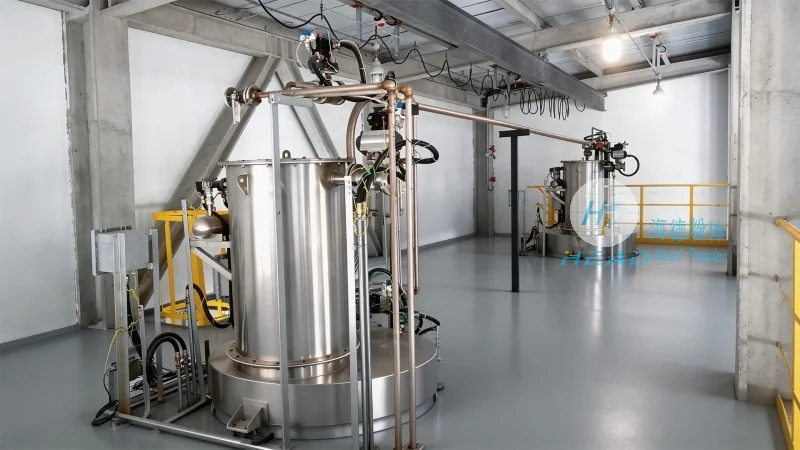
Principle of Limestone Powder Pneumatic Conveying
The core principle of limestone powder pneumatic conveying involves the use of air to transport dry powders through a pipeline. Unlike traditional mechanical conveyors, this method relies on the pressure differential created by a blower or compressor to move the material. The process typically starts with the limestone powder being fed into a hopper, where it is then drawn into the conveying line by the air flow. The air, carrying the powder particles, travels through the pipeline to the discharge point, where the material is separated from the air and collected. This method offers several advantages, including the ability to transport materials over long distances, vertical and horizontal movement capabilities, and reduced risk of product contamination compared to mechanical systems.
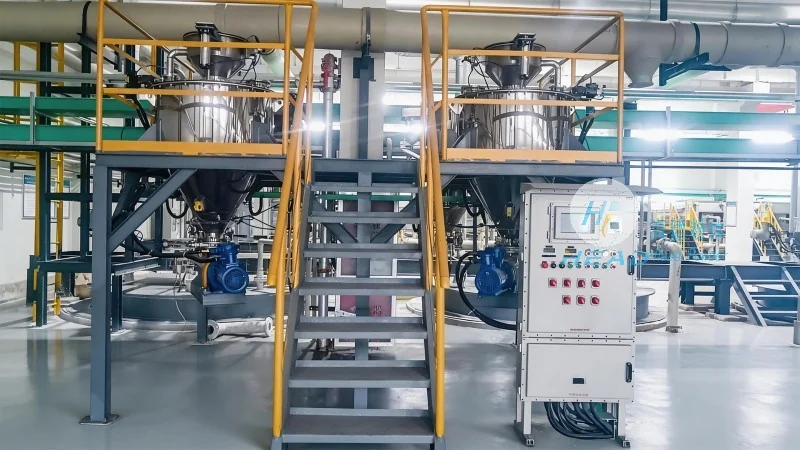
Working Scene Characteristics of Limestone Powder Pneumatic Conveying
The working scene characteristics of limestone powder pneumatic conveying systems are tailored to meet the specific demands of industrial environments. These systems are commonly used in applications such as cement production, mining, and chemical processing, where the efficient handling of limestone powder is critical. One key characteristic is the system's adaptability to different powder properties, including varying particle sizes and moisture content. The design of the conveying line, including the use of appropriate ductwork and air flow controls, ensures stable and consistent material transport. Additionally, the systems are designed to minimize dust emissions, which is essential for maintaining a safe and clean working environment. The flexibility of pneumatic conveying also allows for easy integration with existing production lines, reducing downtime and improving overall operational efficiency.
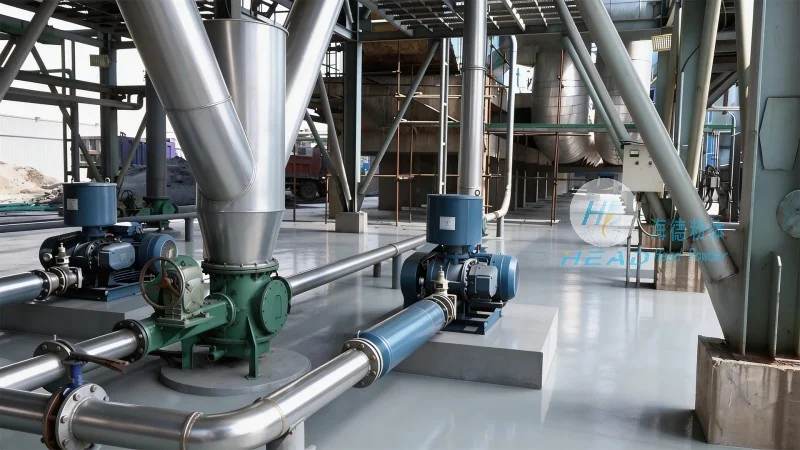
Key Features and Advantages in Practical Applications
When considering the implementation of limestone powder pneumatic conveying systems, several key features and advantages become apparent. The ability to handle both fine and coarse limestone powders without clogging the system is a significant benefit. The use of positive pressure systems, which maintain a higher pressure than the surrounding environment, prevents the ingress of external contaminants and ensures the purity of the material. Another important aspect is the energy efficiency of these systems, as they can be optimized to use minimal air pressure while still achieving effective transport. The compact design of the equipment also allows for installation in limited space, making it suitable for both new and retrofit projects. Furthermore, the systems are equipped with advanced monitoring and control systems that allow operators to adjust the conveying parameters in real-time, ensuring optimal performance and preventing system failures.
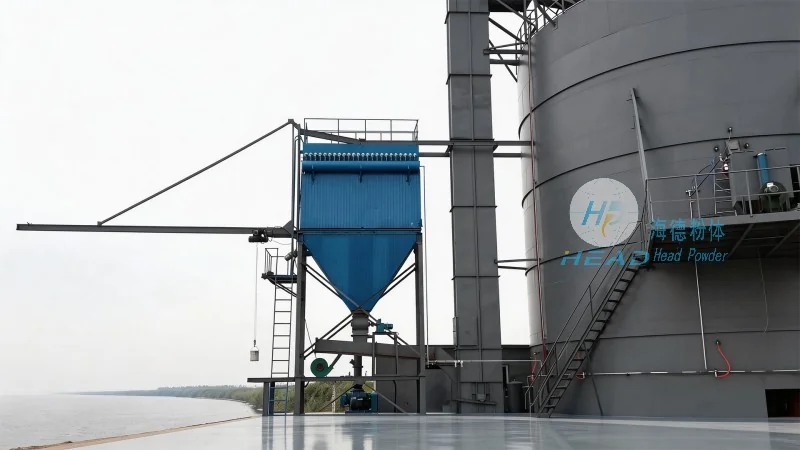
Conclusion and Company Overview
HeadPowder Engineering Co., Ltd., with its headquarters in Shandong, China, continues to be a trusted provider of high-quality limestone powder pneumatic conveying solutions. By understanding the fundamental principles and working scene characteristics of these systems, industries can make informed decisions about implementing efficient and reliable material handling processes. The company's commitment to innovation and customer satisfaction ensures that their products meet the evolving needs of the market, providing long-term value and operational excellence.