

Principle and Application Scenarios of Aluminum Foil Pneumatic Conveying Equipment
Aluminum foil pneumatic conveying systems represent a sophisticated solution for material handling, particularly in industries dealing with lightweight, low-density materials like aluminum foil. These systems leverage the principles of pneumatic transport to efficiently move materials from one location to another, offering advantages such as reduced contamination, improved hygiene, and enhanced operational flexibility. The core of this technology lies in the use of air pressure to propel material through a network of pipes, making it an ideal choice for applications where traditional mechanical conveyors may be less effective or practical.
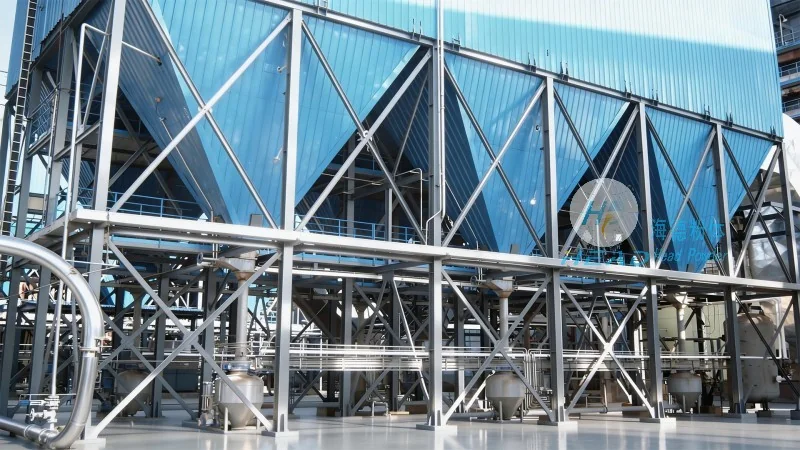
Working Principle of Pneumatic Conveying for Aluminum Foil
The operation of an aluminum foil pneumatic conveying system is based on the fundamental principle of air movement and material suspension. At its heart, the system consists of a blower or compressor that generates the necessary air pressure. This air is then introduced into a hopper or feeding device where the aluminum foil is loaded. As the air flows through the system, it creates a low-pressure zone that draws the material into the pipeline. The material is then carried along by the air stream, often in a suspended state, until it reaches the discharge point. The system may employ various components such as cyclones, filters, and control valves to manage the flow and ensure efficient material transport. The design of the system is tailored to handle the specific characteristics of aluminum foil, including its low bulk density and potential for static charge, which can affect the conveying efficiency.
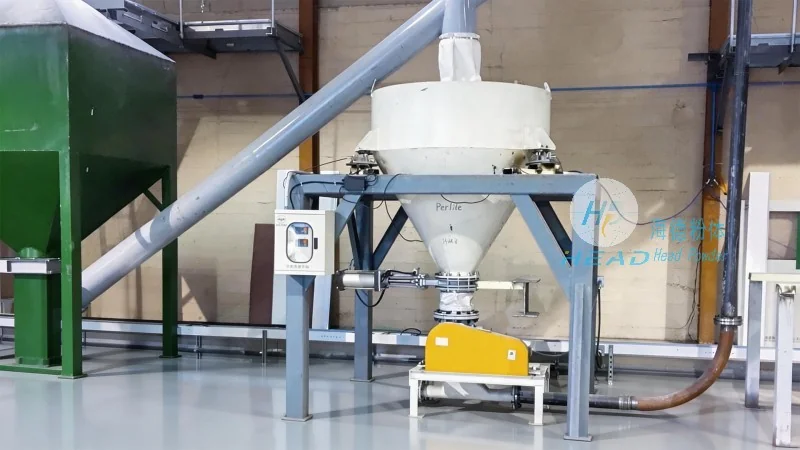
Key Components and Their Functions
Several critical components work in tandem to ensure the smooth operation of an aluminum foil pneumatic conveying system. The blower or air compressor serves as the power source, generating the pressure required to move the material. The hopper or feeding mechanism is designed to hold the aluminum foil and introduce it into the system at a controlled rate. The pipeline network, typically made of materials resistant to corrosion and wear, carries the material and air. Cyclones are often used to separate the material from the air stream at the discharge end, allowing the air to be recirculated or vented. Filters are essential to maintain air quality and prevent contamination of the material. Control valves and sensors are integrated to regulate the flow rate and monitor system performance, ensuring optimal operation under varying conditions.
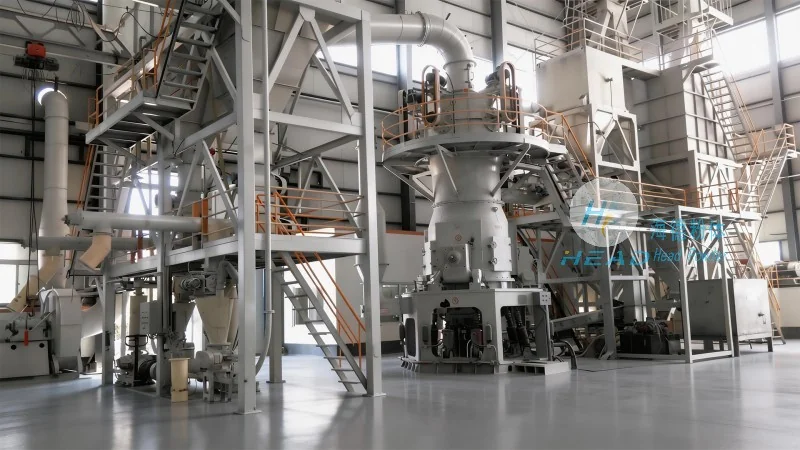
Application Scenarios and Industry Use Cases
Aluminum foil pneumatic conveying systems find widespread application in various industries where the handling of aluminum foil is critical. In the packaging industry, these systems are used to transport aluminum foil from production lines to packaging machines, ensuring a continuous and clean supply of material. The food and beverage sector also benefits from these systems, as they provide a hygienic and contamination-free method of moving aluminum foil used in food packaging. Additionally, in the manufacturing of aluminum products, such as foil for electronics or automotive applications, pneumatic conveying systems help maintain the purity of the material, which is crucial for quality control. The versatility of these systems allows them to be adapted to different production environments, from small-scale operations to large industrial facilities.
Advantages and Benefits of Aluminum Foil Pneumatic Conveying
Compared to traditional mechanical conveyors, aluminum foil pneumatic conveying systems offer several distinct advantages. One of the primary benefits is the ability to handle materials with low bulk density, such as aluminum foil, without the need for high mechanical force. This reduces wear and tear on equipment and minimizes the risk of material damage. The system also provides a hygienic and clean environment, which is essential in industries like food and pharmaceuticals where contamination control is paramount. Furthermore, pneumatic conveying systems can be designed to operate in a closed loop, reducing dust emissions and improving overall air quality. The flexibility of the system allows for easy integration with existing production lines and can be scaled to accommodate changes in production volume. These advantages make aluminum foil pneumatic conveying an attractive solution for businesses seeking efficient and reliable material handling solutions.
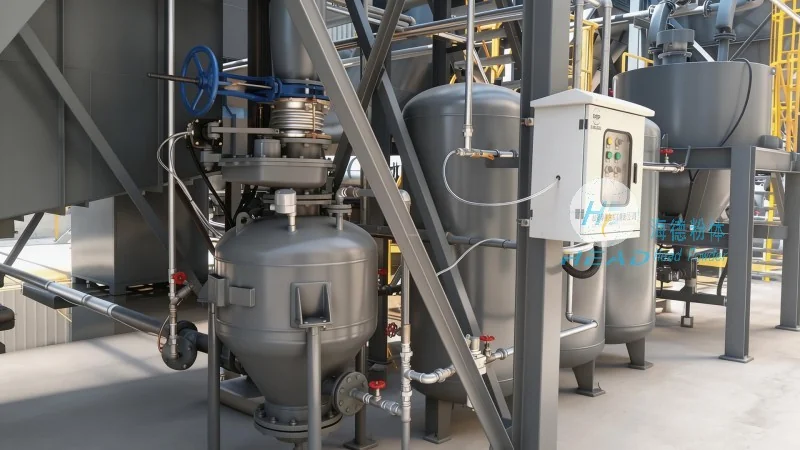
Customization and System Design Considerations
Due to the diverse nature of aluminum foil applications, pneumatic conveying systems are often customized to meet specific operational requirements. System designers consider factors such as the material's properties, the distance to be covered, and the desired flow rate when configuring the equipment. The choice of blower type, pipeline diameter, and material of construction are critical decisions that impact the system's performance and longevity. For example, in applications involving static-charged aluminum foil, anti-static measures may be incorporated into the design to prevent material buildup and ensure smooth conveying. Additionally, the system may include features such as pressure relief valves and safety interlocks to protect operators and equipment from potential hazards. Customization ensures that the system operates efficiently and reliably, minimizing downtime and maintenance costs.