

Principle and Working Scene Characteristics of Barley Pneumatic Conveying Machines
HeadPowder, a leading engineering company based in Shandong, China, specializes in the design, manufacturing, and supply of advanced pneumatic conveying systems. With a strong commitment to quality and innovation, the company has established itself as a trusted partner in the grain processing industry, offering tailored solutions for various material handling needs.
Introduction to Barley Pneumatic Conveying Machines
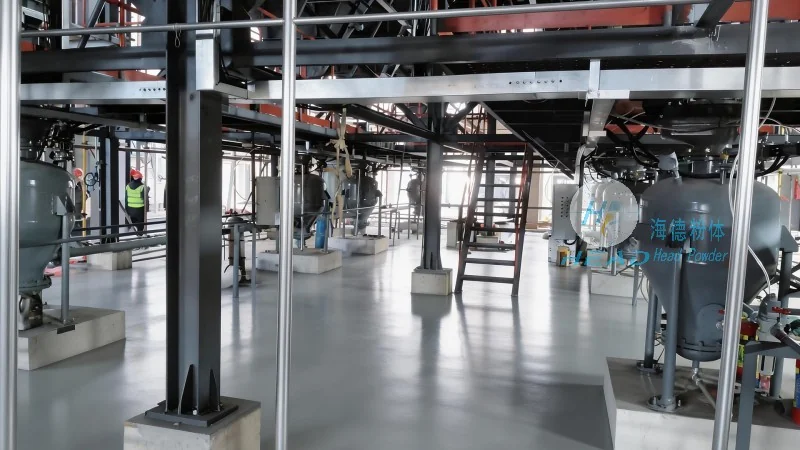
Barley pneumatic conveying machines are sophisticated equipment designed to transport barley grains efficiently and reliably. These systems utilize air pressure to move the material, eliminating the need for mechanical components like belts or buckets. The technology is widely adopted in the agricultural and food processing sectors due to its ability to handle bulk materials with minimal contamination and energy efficiency. HeadPowder's range of barley pneumatic conveying machines is engineered to meet the specific demands of barley handling, ensuring optimal performance and durability in diverse operational environments.
Principle of Pneumatic Conveying for Barley
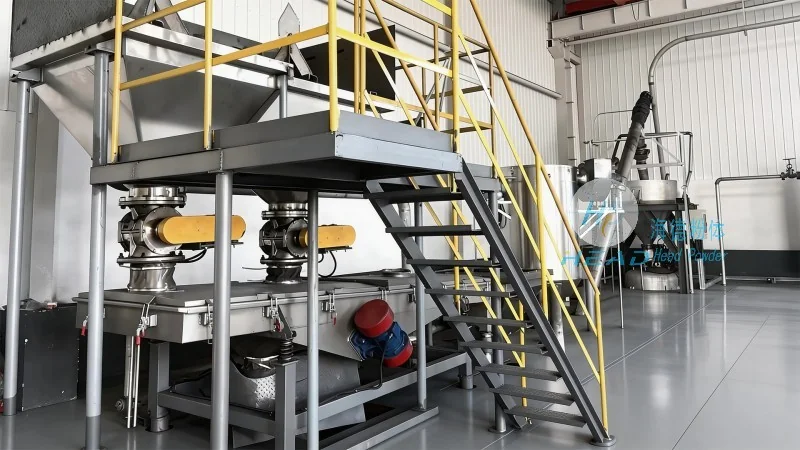
The core principle of barley pneumatic conveying machines involves the use of a vacuum or pressure system to create airflow that propels the barley particles through a pipeline. The process typically starts with the barley being fed into a hopper, where it is then drawn or pushed by the air flow through the conveying line. The system can operate under either negative pressure (suction) or positive pressure (blowing), depending on the application requirements. The design ensures that the barley remains intact during transport, preserving its quality and preventing breakage or damage that could occur with traditional mechanical conveyors. Advanced models may incorporate features such as variable speed drives, which allow for precise control of the airflow and material flow rate, optimizing the conveying process for different barley types and particle sizes. The use of high-quality materials in the construction of the conveying lines and components further enhances durability and reduces the risk of material contamination, ensuring compliance with industry standards for food-grade applications.
Working Scene Characteristics of Barley Pneumatic Conveying Machines
Barley pneumatic conveying machines are particularly suited for environments where hygiene, cleanliness, and dust control are critical. The enclosed system prevents dust from dispersing into the air, making it ideal for food processing facilities and grain storage operations. Additionally, these machines offer flexibility in layout, as the conveying lines can be installed vertically, horizontally, or at various angles, allowing for efficient integration into existing production lines. The systems are also designed to handle varying barley qualities, from raw grains to processed products, ensuring consistent performance across different operational conditions. The compact design of the machines minimizes floor space requirements, making them suitable for both large-scale industrial facilities and smaller processing plants. Furthermore, the systems are equipped with safety features such as pressure relief valves and overload protection, ensuring safe operation and preventing potential hazards in the workplace.
Typical Applications and Advantages
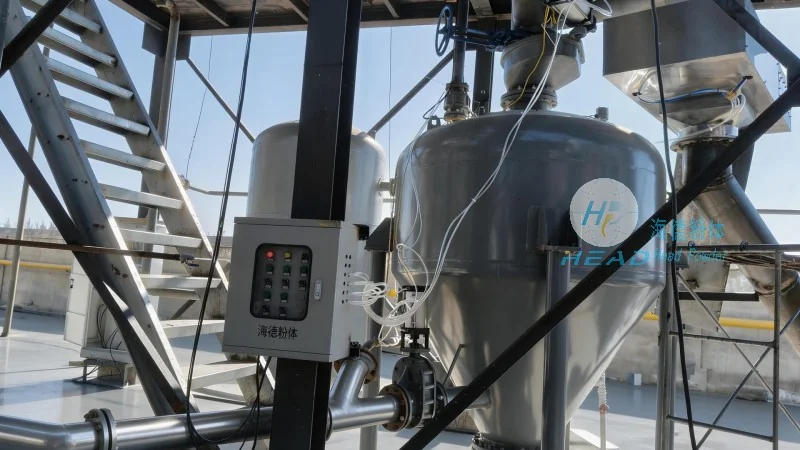
HeadPowder's barley pneumatic conveying machines are widely used in various industrial settings. In the agricultural sector, they are employed for the transportation of harvested barley from fields to storage facilities, reducing manual labor and improving operational efficiency. In food processing plants, the machines are crucial for moving barley to milling and processing units, where it is converted into flour, malt, or other products. The advantages of these systems include reduced maintenance costs, lower energy consumption compared to traditional conveyors, and enhanced safety due to the enclosed design. Furthermore, the technology allows for precise control over the flow rate and pressure, enabling manufacturers to optimize their production processes and meet stringent quality standards. For example, in malt production, the pneumatic conveying system ensures that the barley is transported without any exposure to external contaminants, which is essential for maintaining the quality of the final malt product. Similarly, in flour mills, the system helps in efficiently moving the ground barley to packaging units, streamlining the overall production workflow.