

Principle and Working Scene Characteristics of Small Material Pneumatic Conveying Equipment
Small material pneumatic conveying equipment serves as a vital component in modern material handling systems, enabling the efficient transport of fine powders and granular materials. By utilizing air as the primary transmission medium, this equipment offers significant advantages over traditional mechanical conveying methods, including enhanced hygiene, rapid processing speeds, and flexible system configurations. A thorough understanding of its operational principles and typical application scenarios is essential for selecting the optimal equipment to meet specific industrial requirements.
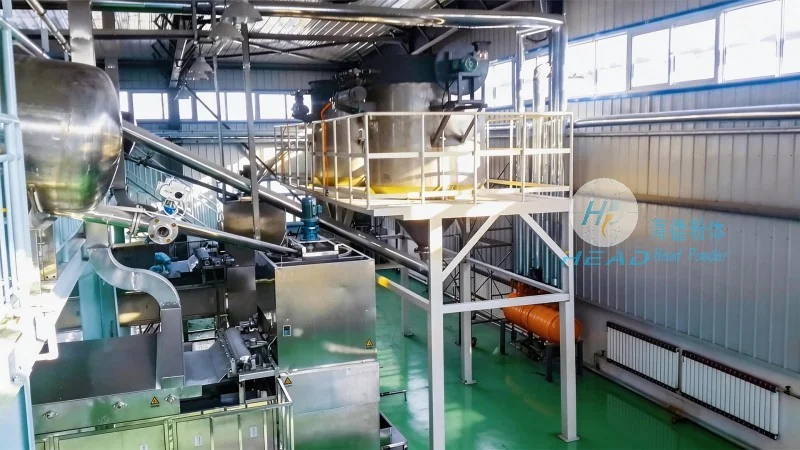
Core Operational Principle of Small Material Pneumatic Conveying
The fundamental principle of small material pneumatic conveying involves the use of compressed air to create a flow that transports the material. The system typically comprises a material hopper for storage, a conveying pipe, a fan or blower to generate the air stream, and a discharge point for material delivery. When the fan operates, it draws air into the system and forces it through the conveying pipe. The material is then introduced into the air stream—either via gravity or through a controlled feeder—and is carried along with the air to the destination. The air flow can be either positive pressure (air blown into the pipe) or negative pressure (air sucked out of the pipe). For handling small, fine materials, positive pressure systems are most common due to their simplicity and effectiveness in maintaining consistent material transport.
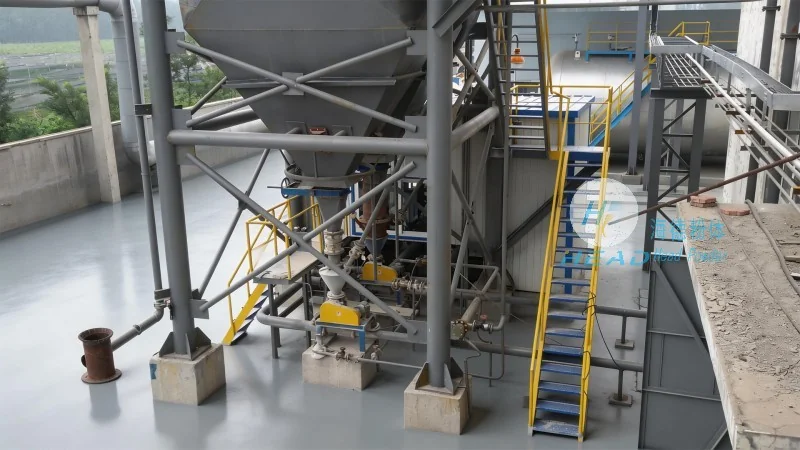
Key Components and Their Functional Roles
Several critical components work in tandem to ensure the smooth operation of small material pneumatic conveying systems. The hopper acts as the storage vessel, holding the material ready for transport. It is engineered with a smooth interior to prevent material buildup and ensure consistent feeding. The feeder, often a rotary valve or screw feeder, regulates the material flow rate into the conveying pipe, preventing overloading and maintaining a stable air-to-material ratio. The fan or blower provides the necessary air pressure and volume to move the material through the system. Its selection depends on the material's characteristics—including particle size, density, and moisture content—as well as the system's length and elevation changes. The conveying pipe is constructed from materials like stainless steel or plastic, chosen for their resistance to corrosion and wear from the transported material. The discharge point, such as a silo or collection bin, receives the material at the end of the process. In some systems, a cyclone separator may be included to separate the material from the air stream, allowing the air to be recycled or discharged.
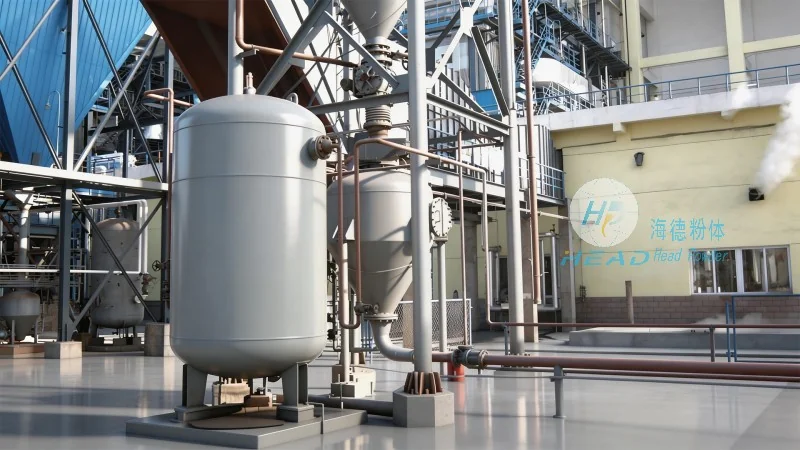
Typical Application Scenarios and Their Characteristics
Small material pneumatic conveying equipment is widely applied across diverse industrial sectors, each with unique characteristics that influence equipment design and operation. In the pharmaceutical and food processing industries, the equipment must adhere to stringent hygiene standards, with components made of stainless steel and easy-to-clean surfaces. The conveying process is typically conducted in a closed system to prevent contamination and preserve product quality. In chemical and petrochemical industries, the equipment transports materials like powders, granules, and slurries, which may be abrasive or corrosive. The system is designed to handle these materials with minimal wear, often incorporating special liners or coatings on the conveying pipe. In the cement and construction materials sector, small material pneumatic conveying is used to transport raw materials such as limestone, clay, and gypsum to production facilities. The equipment is built to handle large volumes over long distances, with robust components capable of withstanding heavy usage and environmental factors. In the agricultural sector, it is employed to transport grains, seeds, and other agricultural products from storage to processing or packaging areas. The system is designed for flexibility, allowing adjustments for different material types and flow rates as needed.
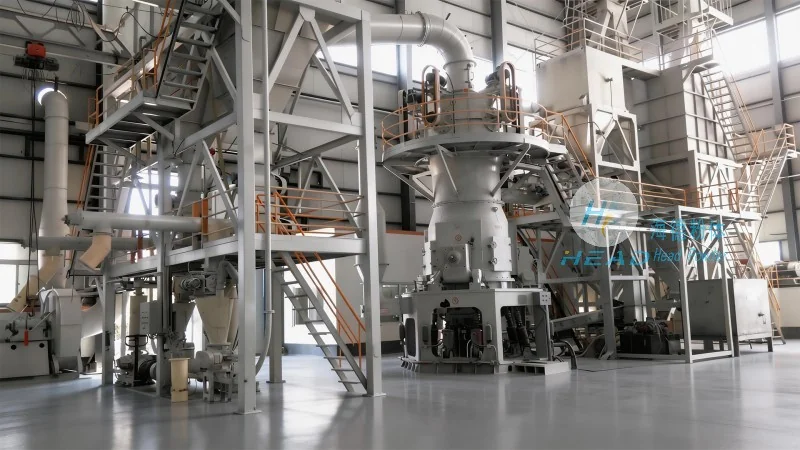
Advantages and Considerations in Specific Working Environments
When selecting small material pneumatic conveying equipment for particular working scenarios, several advantages and considerations must be evaluated. A primary advantage is the ability to handle fine powders and granular materials that are challenging to transport via traditional methods. The equipment offers high efficiency in terms of speed and capacity, enabling material transport over long distances with minimal loss. It also provides a hygienic, dust-free environment, which is critical in industries like food and pharmaceuticals. However, the system has limitations, such as the need for proper air pressure and flow rate management to prevent material blockages or air leakage. The cost of the equipment and its maintenance can also be a factor, especially for large-scale systems. Additionally, the system's performance is highly dependent on the material's properties, and adjustments may be required for different materials or operating conditions. Overall, small material pneumatic conveying equipment is a versatile and efficient solution for material handling in various industrial applications, provided that the system is properly designed and maintained.