

Principle and Working Scene Characteristics of Cast Iron Fume Pneumatic Conveying Equipment
Cast iron fume pneumatic conveying equipment is a specialized industrial device designed to handle and transport cast iron fumes and related particulate materials efficiently. This equipment plays a crucial role in various manufacturing processes, particularly in foundries and metalworking industries where the removal and transportation of fumes are essential for maintaining a safe and productive working environment. The design and functionality of such equipment are tailored to address the unique challenges posed by cast iron fumes, including their density, temperature, and potential for abrasiveness. Developed by Shandong HeadPowder Engineering Co., Ltd. (HeadPowder), this equipment is engineered to meet the demanding requirements of industrial applications.
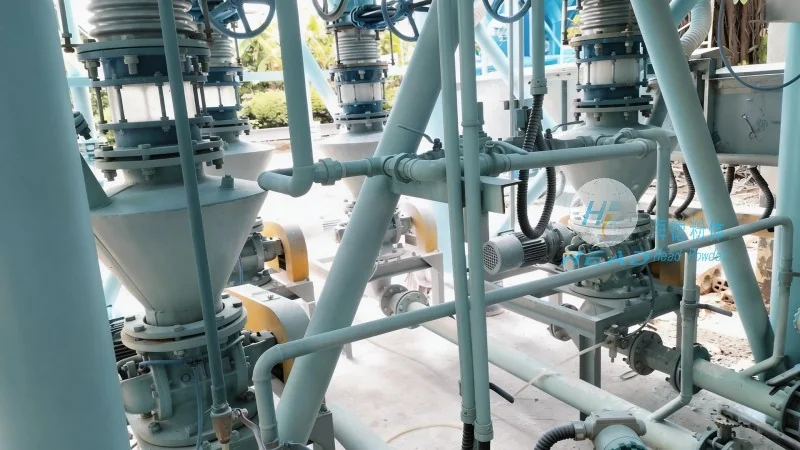
Principle of Operation
The core principle of cast iron fume pneumatic conveying systems revolves around the use of air or gas to transport particulate materials through a pipeline network. In this system, a fan or blower generates a flow of air that creates a pressure differential, allowing the cast iron fumes to be drawn into the conveying line and propelled to the desired destination. The process typically involves several key components, including a hopper for material storage, a rotary valve for controlled material discharge, a filter system to capture fine particles and prevent air pollution, and a discharge unit for delivering the material to the processing or storage area.
One of the primary mechanisms used in these systems is the positive displacement blower, which provides a consistent and high-pressure airflow necessary for effective material transport. The blower's design ensures that the air flow remains stable even when the material load varies, preventing clogging or loss of conveying efficiency. Additionally, the system may incorporate a venturi or eductor to enhance the air velocity and improve the conveying capacity, especially for materials with higher density or larger particle sizes.
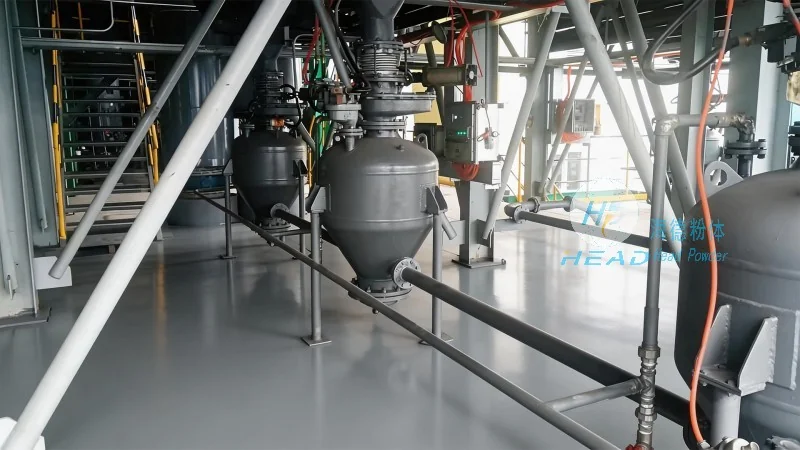
Working Scene Characteristics
The working environment where cast iron fume pneumatic conveying equipment is deployed often involves high-temperature and high-abrasion conditions. Foundries, for instance, are characterized by intense heat from molten metal operations, which can cause the fumes to be hot and potentially corrosive. The equipment must be constructed from durable materials, such as stainless steel or high-grade alloys, to withstand these harsh conditions and ensure long-term reliability. Furthermore, the system's design must account for the potential for dust accumulation and the need for regular maintenance to prevent performance degradation.
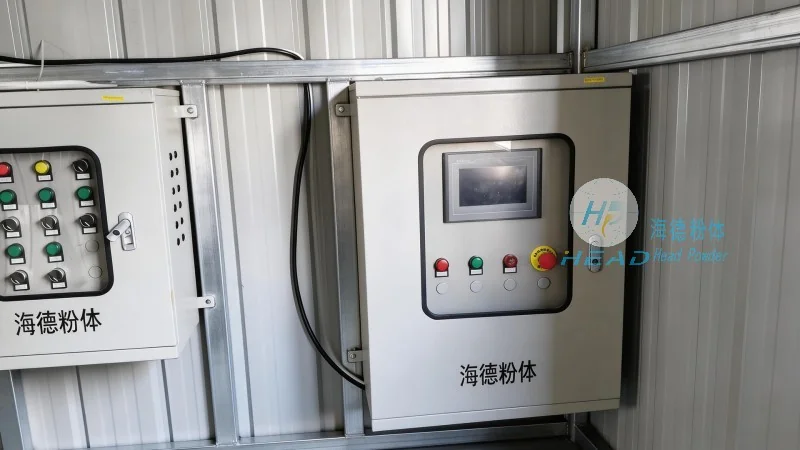
In industrial settings, the equipment is typically integrated into a larger production line, where it works in conjunction with other machinery like furnaces, casting machines, and material handling systems. The conveying process is often automated, with sensors and control systems monitoring the flow rate, pressure, and material level to maintain optimal operation. This integration enhances productivity by reducing manual intervention and minimizing downtime caused by material blockages or system failures.
The application scenarios of cast iron fume pneumatic conveying equipment vary widely across different industries. In addition to foundries, these systems are also used in metal recycling facilities, where cast iron scraps are processed and transported for re-melting. They may also be employed in automotive manufacturing plants, where the removal of fumes from machining and casting operations is critical for worker safety and compliance with environmental regulations. Each of these applications requires a customized approach to system design, considering factors such as material flow rate, distance to be conveyed, and the specific characteristics of the fumes being handled.
Key Features and Advantages
Cast iron fume pneumatic conveying equipment offers several advantages over traditional material handling methods, such as bucket elevators or belt conveyors. One of the most significant benefits is the ability to transport materials in a closed system, which helps to contain dust and fumes, reducing the risk of air pollution and improving workplace safety. This is particularly important in environments where regulatory compliance is a priority, as it allows companies to meet stringent emission standards.
Another advantage is the flexibility of the system, which can be easily adjusted to handle different types of materials or to change the conveying distance. The modular design of the equipment allows for scalability, enabling businesses to expand their operations without significant capital investment. Additionally, the system's low maintenance requirements and energy efficiency contribute to long-term cost savings, making it a cost-effective solution for industrial applications.
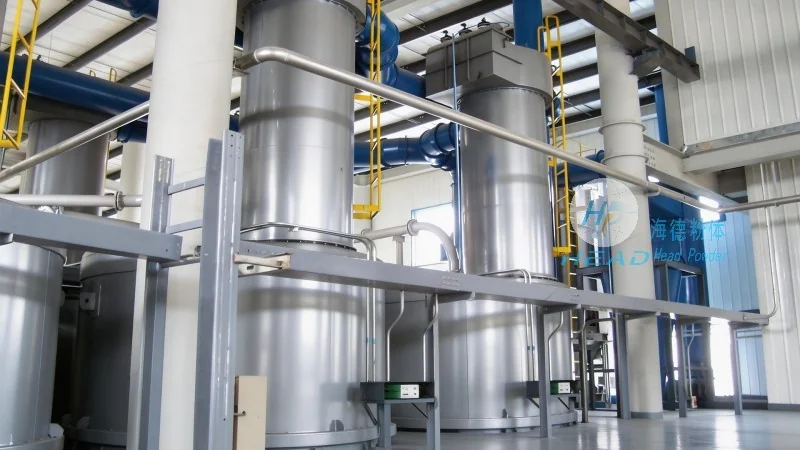
The equipment also provides improved material handling efficiency by eliminating the need for manual handling and reducing the risk of material loss or contamination. The closed conveying process ensures that the material remains clean and free from external contaminants, which is essential for maintaining product quality in manufacturing processes. Furthermore, the system's ability to handle abrasive materials without significant wear and tear on components extends the equipment's lifespan and reduces replacement costs.
Conclusion
Cast iron fume pneumatic conveying equipment is a vital component in modern industrial operations, providing an efficient and safe method for handling and transporting cast iron fumes and related materials. The principles of operation, combined with the working scene characteristics and key features, make this equipment an indispensable tool for foundries and other metalworking industries. As technology continues to advance, these systems are likely to become even more sophisticated, offering improved performance and reduced environmental impact. For businesses operating in these industries, investing in such equipment is not only a matter of compliance but also a strategic decision to enhance productivity and ensure long-term success.