

How to Choose the Right Pneumatic Conveying System for Your Electric Calcined Dolomite Powder Handling Process?
When it comes to handling electric calcined dolomite powder in industrial processes, selecting the appropriate pneumatic conveying system is crucial for efficiency, safety, and operational reliability. The choice of system depends on various factors including material characteristics, process requirements, and environmental considerations. This guide aims to help you understand the key considerations when choosing a pneumatic conveying system for your electric calcined dolomite powder handling operations.
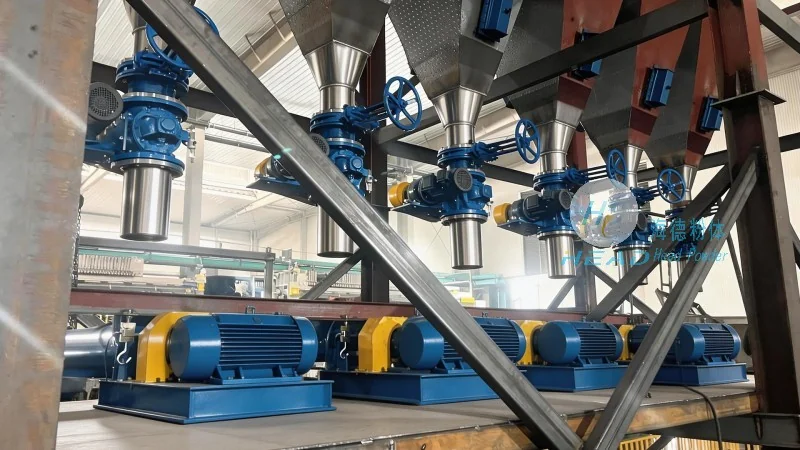
Understanding the Material Properties of Electric Calcined Dolomite Powder
Electric calcined dolomite powder is characterized by its fine particle size, relatively low bulk density, and potentially abrasive nature. These properties directly impact the selection of the most suitable pneumatic conveying system. The material's flowability, dust generation potential, and tendency to agglomerate are critical factors that influence system design. For instance, fine powders may require higher air velocities to prevent blockages, while abrasive particles demand robust system components to ensure longevity.
Key Factors in Choosing a Pneumatic Conveying System
Several key factors must be evaluated when selecting a pneumatic conveying system for electric calcined dolomite powder. The first consideration is the system's capacity and flow rate requirements. The required throughput will determine whether a low-pressure or high-pressure system is more appropriate. Low-pressure systems are typically used for short-distance conveying and lower flow rates, while high-pressure systems are suitable for longer distances and higher capacities. Another critical factor is the system's ability to handle the material's specific characteristics, such as its dust generation and potential for caking. The system must be designed to minimize material degradation and ensure consistent flow.
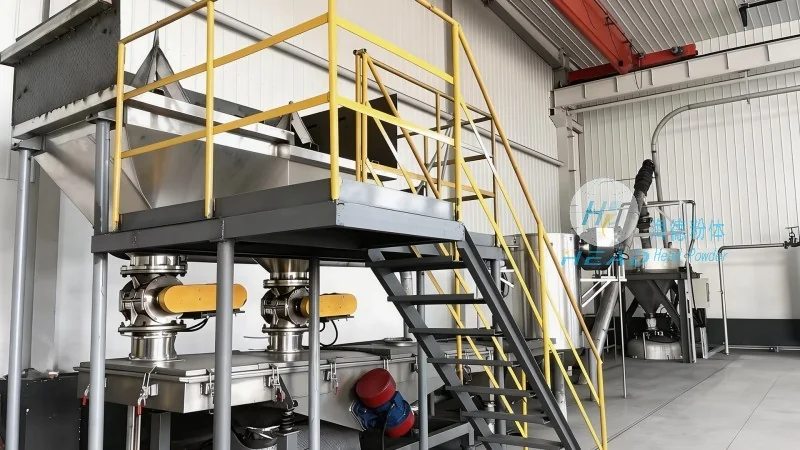
Types of Pneumatic Conveying Systems for Electric Calcined Dolomite Powder
There are primarily two types of pneumatic conveying systems commonly used for electric calcined dolomite powder: dilute-phase and dense-phase systems. Dilute-phase systems operate at higher air velocities, typically transporting particles in a dispersed state. These systems are suitable for short to medium distances and lower flow rates. Dense-phase systems, on the other hand, operate at lower air velocities, transporting particles in a concentrated state, often with a higher solids concentration. Dense-phase systems are ideal for longer distances and higher capacities, as they reduce material degradation and prevent blockages. The choice between these systems depends on the specific application requirements and material properties.
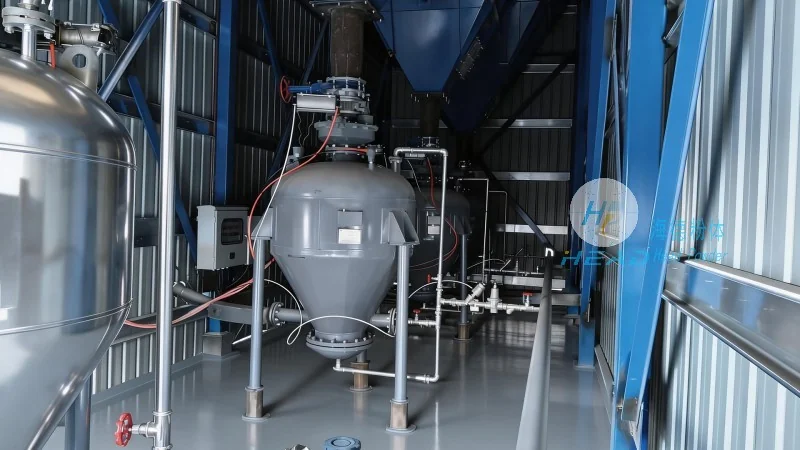
System Components and Design Considerations
The design of a pneumatic conveying system for electric calcined dolomite powder involves several key components, including the material feed system, air supply, conveying line, and discharge equipment. The material feed system must be designed to handle the material's flowability and prevent material buildup. The air supply system must provide sufficient air pressure and volume to ensure proper conveying. The conveying line must be constructed from materials resistant to the material's abrasive nature, such as stainless steel or special alloys. The discharge equipment must be designed to handle the material's potential for caking and ensure smooth material discharge.
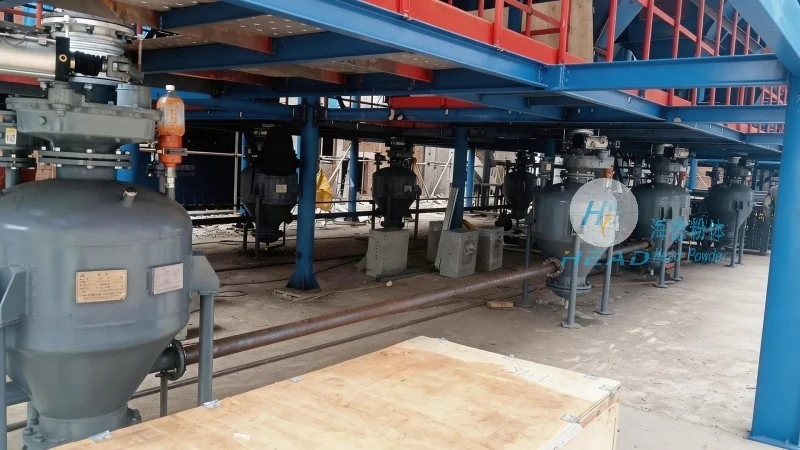
Benefits of Choosing the Right Pneumatic Conveying System
Implementing the right pneumatic conveying system for electric calcined dolomite powder handling offers several benefits. Firstly, it improves operational efficiency by reducing material handling time and increasing throughput. Secondly, it enhances safety by minimizing dust exposure and preventing material spills. Thirdly, it extends equipment lifespan by reducing wear and tear on system components. Finally, it ensures consistent product quality by maintaining the material's integrity throughout the conveying process.
Conclusion and Recommendations
Choosing the right pneumatic conveying system for your electric calcined dolomite powder handling process requires careful consideration of material properties, process requirements, and system design. By evaluating factors such as capacity, flow rate, and material characteristics, you can select a system that meets your operational needs while ensuring efficiency and reliability. It is recommended to consult with experienced suppliers, such as Shandong HeadPowder Engineering Co., Ltd., to assess your specific requirements and design a customized system that optimizes your electric calcined dolomite powder handling operations.