

How to Choose the Right Pneumatic Conveying System for Your Sodium Stearate Handling Process?
When it comes to handling sodium stearate, a critical component in various industrial applications, selecting the right material handling system is paramount for efficiency, safety, and cost-effectiveness. Sodium stearate, often used in the production of soaps, detergents, and other chemical products, presents unique challenges during transportation due to its granular or powdery nature. Traditional methods like belt conveyors or bucket elevators may not be suitable for this delicate material, as they can cause degradation, contamination, or uneven flow. This is where pneumatic conveying systems offer a superior solution, providing gentle, controlled transport that preserves the quality of sodium stearate while optimizing operational performance.
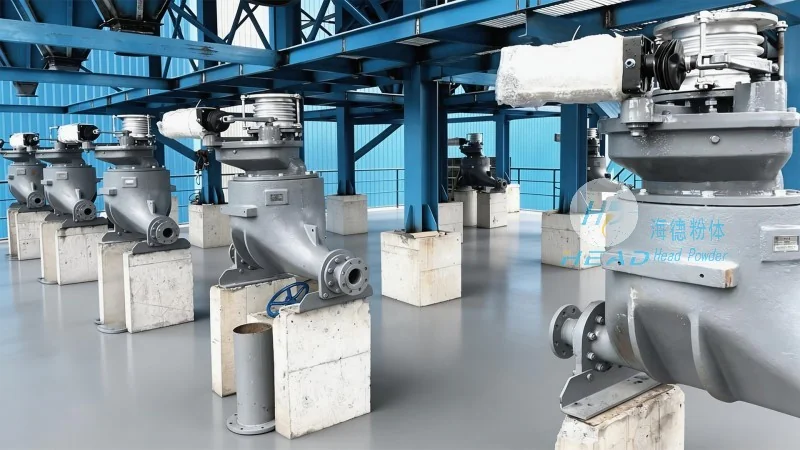
Understanding the Importance of Pneumatic Conveying for Sodium Stearate
Sodium stearate is a fatty acid salt commonly used in the cosmetics, pharmaceutical, and food industries. Its handling requires careful consideration of particle size, moisture content, and flow characteristics. Unlike bulkier materials, sodium stearate can be prone to caking or bridging in storage silos, which can disrupt the flow and lead to operational bottlenecks. Pneumatic conveying systems address these issues by using air to move the material through a closed pipeline system, ensuring consistent and reliable transport. The key advantage lies in the ability to handle fine powders and granules without the need for mechanical contact, which minimizes product degradation and maintains purity. This is particularly important for sodium stearate, as any contamination or particle size variation can affect the final product's quality and performance.
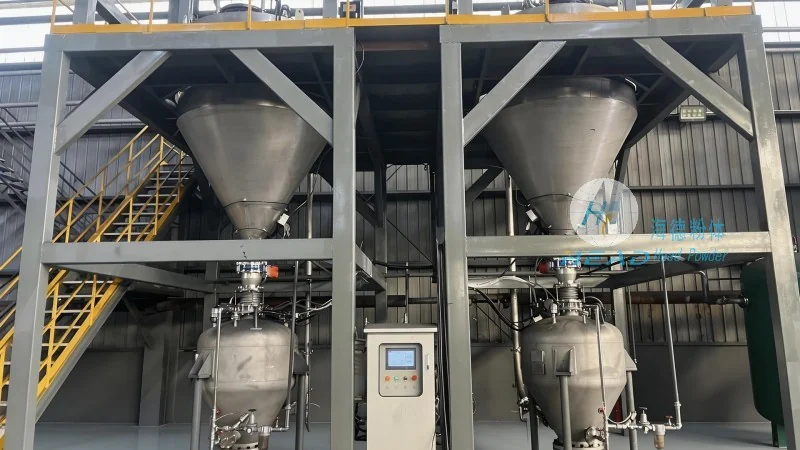
Key Factors to Consider When Choosing a Pneumatic Conveying System
Choosing the right pneumatic conveying system for sodium stearate handling involves evaluating several critical factors. The first consideration is the material's physical properties, such as particle size distribution, density, and moisture content. These characteristics determine the appropriate system type—whether a positive pressure, negative pressure, or a combination of both. For sodium stearate, which is typically a fine powder or small granules, a positive pressure system (like a pressure blower or rotary airlock) is often preferred, as it provides consistent air flow and prevents material buildup in the pipeline. The system's capacity is another crucial factor, as it must match the production rate and storage needs of the facility. A system that is too small will lead to bottlenecks, while one that is too large will result in unnecessary energy consumption and higher costs. Additionally, the system's scalability and flexibility are important, as the production process may evolve over time, requiring adjustments to the conveying capacity. HeadPowder, a leading provider of material handling solutions, understands these considerations and offers customized pneumatic conveying systems tailored to the specific needs of each client.
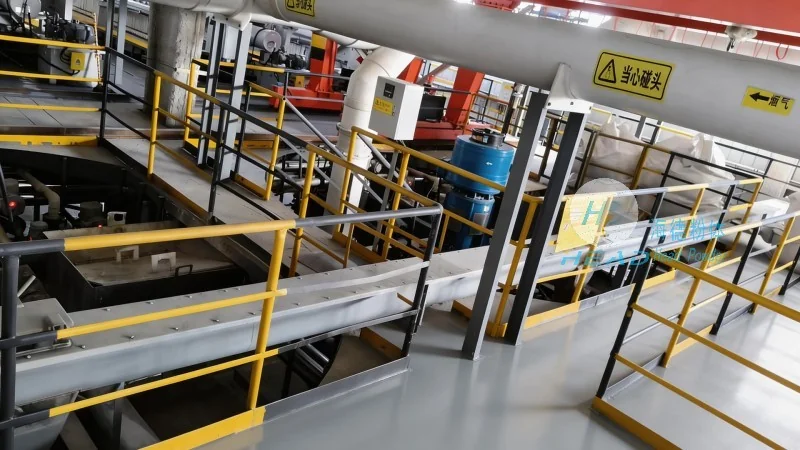
Types of Pneumatic Conveying Systems for Sodium Stearate
There are two primary types of pneumatic conveying systems: positive pressure and negative pressure. Positive pressure systems use a blower or compressor to generate air pressure and push the material through the pipeline. This method is ideal for sodium stearate because it provides a continuous flow and prevents material from settling in the pipeline. The system typically includes a hopper, a rotary airlock, and a pipeline with a discharge point. The rotary airlock acts as a valve to control the flow of material into the pipeline, ensuring a steady stream. Positive pressure systems are also suitable for long-distance conveying, as the air pressure can be maintained throughout the entire pipeline. Negative pressure systems, on the other hand, use a vacuum to pull the material into the pipeline. This method is better suited for short-distance conveying or when the material is to be collected from multiple sources. However, for sodium stearate, positive pressure systems are generally more effective due to their ability to handle fine powders and prevent clogging.
HeadPowder's Expertise in Designing Pneumatic Conveying Solutions
Shandong HeadPowder Engineering Co., Ltd., based in China, specializes in designing and manufacturing customized pneumatic conveying systems for various industrial applications, including sodium stearate handling. With years of experience in the material handling industry, HeadPowder has developed a deep understanding of the unique challenges associated with transporting delicate materials like sodium stearate. The company's team of engineers works closely with clients to assess their specific requirements, including production volume, material properties, and operational constraints. This collaborative approach ensures that the final system is optimized for efficiency, reliability, and cost-effectiveness. HeadPowder's systems are designed to meet international standards for safety and performance, with features such as explosion-proof components, dust collection systems, and automated controls. The company also provides comprehensive after-sales support, including installation, training, and maintenance services, to ensure that clients can maximize the lifespan and performance of their conveying systems.
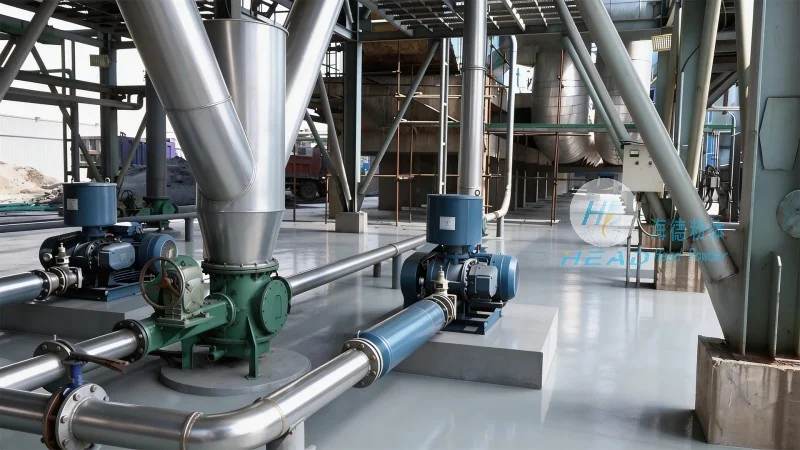
Benefits of Choosing HeadPowder for Sodium Stearate Pneumatic Conveying
Partnering with HeadPowder for your sodium stearate pneumatic conveying system offers several benefits. First, the company's customized approach ensures that the system is tailored to your specific needs, eliminating the need for costly modifications or replacements in the future. The use of high-quality materials and components ensures durability and long-term performance, reducing maintenance costs and downtime. HeadPowder's systems are also designed to be energy-efficient, with features like variable speed drives and optimized air flow that minimize energy consumption. This not only reduces operational costs but also aligns with sustainability goals. Additionally, the company's expertise in handling delicate materials like sodium stearate ensures that the product quality is maintained throughout the conveying process, which is critical for applications where purity is paramount. For businesses in the chemical, cosmetics, or food industries, choosing HeadPowder means investing in a reliable and efficient material handling solution that enhances productivity and product quality.