

How to Choose the Right Pneumatic Conveying System for Your Polystyrene Handling Process
When it comes to managing the transportation of polystyrene materials in industrial settings, selecting the appropriate pneumatic conveying system is crucial for ensuring efficiency, reliability, and cost-effectiveness. Polystyrene, with its unique properties such as low density and varying flow characteristics, requires specialized handling solutions to maintain product integrity and operational smoothness. This article provides a comprehensive guide to help you make an informed decision when choosing a pneumatic conveying system tailored to your polystyrene processing needs.
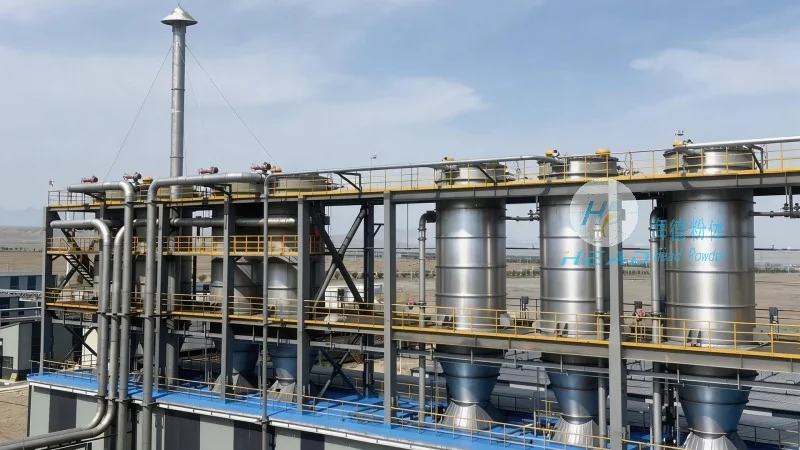
Understanding the Role of Pneumatic Conveying in Polystyrene Handling
Pneumatic conveying systems are widely used in the plastics industry to transport powders and granules, including polystyrene, from one location to another. These systems utilize air or other gases to move materials through a network of pipes, offering several advantages over traditional methods like belt conveyors or bucket elevators. Key benefits include the ability to handle delicate or abrasive materials without causing damage, minimal product contamination, and the flexibility to design systems for complex layouts. For polystyrene, which can be sensitive to moisture or mechanical stress, a well-designed pneumatic conveying system is essential to preserve its quality and performance.
Key Factors to Consider When Selecting a Pneumatic Conveying System for Polystyrene
Choosing the right pneumatic conveying system for polystyrene involves evaluating several critical factors that directly impact system performance and longevity. The first consideration is the nature of the polystyrene material itself. Polystyrene can exist in various forms—such as pellets, flakes, or powders—each with distinct flow characteristics and particle sizes. The system must be capable of handling these variations without clogging or degradation. For instance, fine polystyrene powders may require higher air velocities or specialized equipment like rotary valves to prevent bridging or agglomeration.
Another critical factor is the system's pressure type. Pneumatic conveying systems are typically categorized as positive pressure, negative pressure, or a combination of both. Positive pressure systems, where air is forced into the system, are generally more suitable for polystyrene due to their ability to handle abrasive or sticky materials and maintain consistent flow rates. Negative pressure systems, on the other hand, are better suited for applications where dust control is a priority but may not be ideal for polystyrene due to potential material buildup in the suction lines. The choice of pressure type also depends on the distance and elevation changes between the source and destination points of the material.
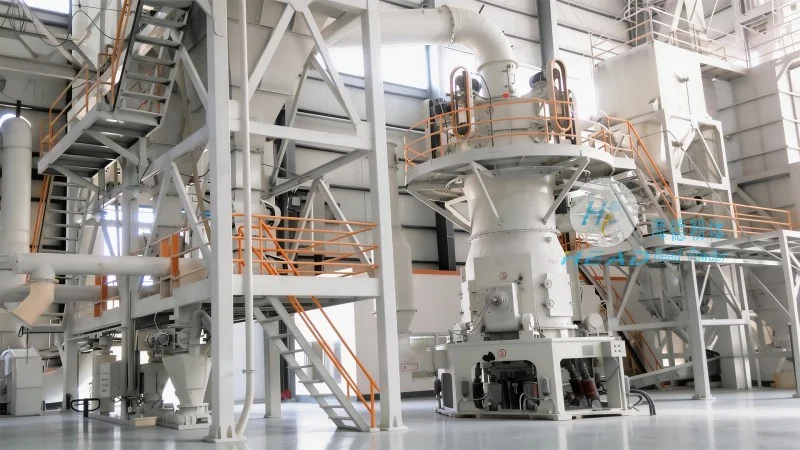
Components of a Typical Pneumatic Conveying System for Polystyrene
A standard pneumatic conveying system for polystyrene typically consists of several key components that work in tandem to ensure efficient material transport. The primary components include a material feed device, such as a rotary valve or a star feeder, which controls the flow of polystyrene into the system. This component is crucial for maintaining a consistent feed rate and preventing material buildup at the inlet. The system also includes a blower or compressor that generates the necessary air pressure to move the material through the pipeline. For polystyrene, a high-efficiency blower with adjustable speed is often preferred to optimize energy consumption and maintain stable flow.
The pipeline network is another critical component, as it must be designed to accommodate the specific characteristics of polystyrene. Materials like stainless steel or high-density polyethylene are commonly used for the pipeline to prevent corrosion and ensure durability. The pipeline layout should be optimized to minimize bends and pressure losses, as excessive bends can lead to material degradation or system inefficiencies. Additionally, the system may include control valves and sensors to monitor pressure, flow, and material levels, ensuring real-time adjustments and preventing system failures.
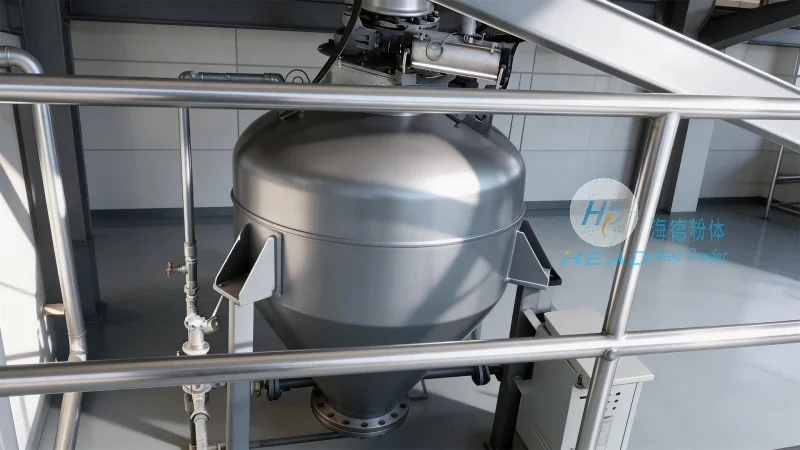
Benefits of Choosing a Customized Pneumatic Conveying System from HeadPowder
HeadPowder, a leading provider of engineering solutions for material handling, offers tailored pneumatic conveying systems specifically designed for polystyrene applications. With over years of experience in the industry, HeadPowder understands the unique challenges associated with handling polystyrene and provides customized solutions that meet the specific needs of each client. The company's team of engineers works closely with clients to assess their processing requirements, material characteristics, and operational constraints to design a system that maximizes efficiency and minimizes downtime.
One of the key advantages of choosing HeadPowder is their focus on quality and reliability. All systems are manufactured using high-grade materials and undergo rigorous testing to ensure compliance with industry standards. This attention to detail translates into longer system lifespans and reduced maintenance costs, making them a cost-effective solution for long-term polystyrene handling operations. HeadPowder also provides comprehensive after-sales support, including installation, training, and maintenance services, ensuring that clients can operate their systems efficiently and effectively.
Conclusion: Making the Right Choice for Your Polystyrene Handling Needs
Selecting the right pneumatic conveying system for your polystyrene handling process is a critical decision that can significantly impact your operational efficiency and product quality. By considering factors such as material characteristics, system pressure, and component design, you can choose a system that meets your specific requirements. Working with a reputable provider like HeadPowder, with their expertise and customized solutions, can help ensure that you invest in a reliable and efficient system that supports your business goals. Whether you are a new or existing polystyrene processor, taking the time to evaluate your options carefully will lead to a more productive and sustainable operation.