

How to Choose the Right Pneumatic Conveying System for Your Cathode Material Handling Process?
When it comes to managing the transportation of cathode materials in battery production facilities, selecting the appropriate pneumatic conveying system is crucial for maintaining efficiency, product quality, and operational safety. The choice of system directly impacts the overall performance of the material handling process, making it essential to understand the key factors that influence this decision. This article provides insights into how to evaluate and select the most suitable pneumatic conveying solution for your specific cathode material handling requirements.
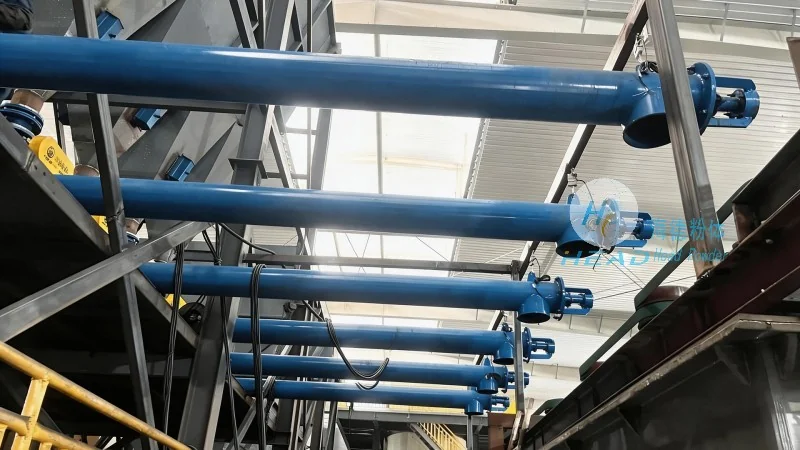
Understanding the Importance of Cathode Material Handling Systems
Cathode materials, such as lithium compounds, nickel-based oxides, and other active ingredients used in lithium-ion batteries, require specialized handling to prevent contamination, degradation, and loss. Traditional methods like manual handling or mechanical conveyors may not be suitable due to the fine particle size, hygroscopic nature, or sensitivity of these materials. Pneumatic conveying systems offer a non-contact, closed-loop solution that minimizes product exposure to external elements and ensures consistent material flow. This approach helps maintain the integrity of the cathode materials, which is critical for achieving optimal battery performance and longevity.
Key Considerations for Choosing a Pneumatic Conveying System
Several factors must be considered when selecting a pneumatic conveying system for cathode material handling. The first is the material characteristics, including particle size, density, moisture content, and flowability. These properties determine the type of conveying system—such as dilute phase or dense phase—that will be most effective. For example, fine powders with low bulk density may require dilute phase systems with higher air velocities to ensure reliable transport, while bulkier or more cohesive materials might benefit from dense phase systems that use lower air velocities and higher material concentrations.
Another critical factor is the system's capacity and throughput requirements. The production scale of the battery manufacturing facility dictates the volume of material that needs to be moved, which influences the system's design and components. Additionally, the distance and layout of the material handling route must be considered, as different systems have varying horizontal and vertical conveying capabilities. For instance, long horizontal runs may require booster sections or larger diameter pipelines to maintain material flow, while vertical lifts need specialized equipment to handle the gravitational forces and prevent material settling.
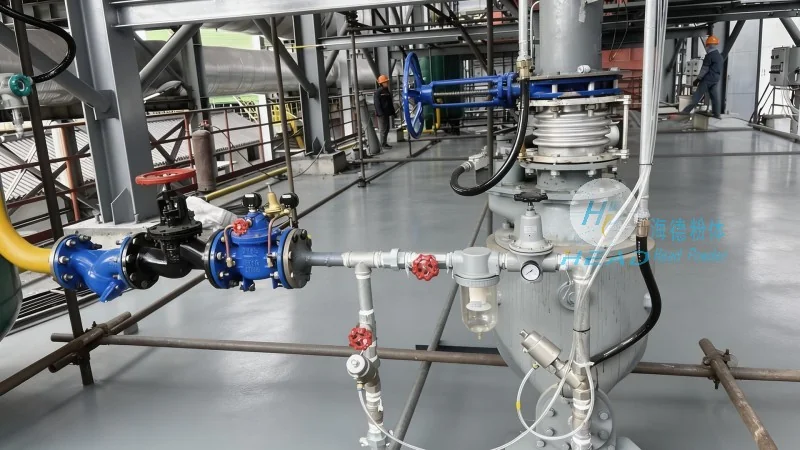
Types of Pneumatic Conveying Systems for Cathode Materials
There are primarily two types of pneumatic conveying systems used in the battery industry: dilute phase and dense phase. Dilute phase systems operate by suspending material particles in a high-velocity air stream, typically at velocities of 20-30 meters per second. This method is suitable for fine powders with low bulk density and short to medium conveying distances. Dense phase systems, on the other hand, transport material in a slurry-like state with lower air velocities and higher material concentrations, typically 5-10 meters per second. These systems are ideal for handling bulkier materials, longer distances, or when product degradation must be minimized.
Within these categories, there are various configurations, including positive pressure, negative pressure, and hybrid systems. Positive pressure systems use air to push material through the pipeline, while negative pressure systems use suction to draw material. Hybrid systems combine both approaches to optimize performance for specific applications. For cathode materials, positive pressure systems are often preferred due to their ability to handle abrasive particles and maintain consistent flow rates, reducing the risk of system blockages or material degradation.
Role of HeadPowder in Providing Customized Solutions
Shandong HeadPowder Engineering Co., Ltd., commonly known as HeadPowder, specializes in designing and manufacturing customized pneumatic conveying systems tailored to the unique needs of battery manufacturers. With years of experience in the battery industry, HeadPowder understands the specific challenges associated with handling cathode materials and provides solutions that address these challenges effectively. The company's team of engineers works closely with clients to assess their material characteristics, production requirements, and facility layout to develop a system that meets their operational goals.
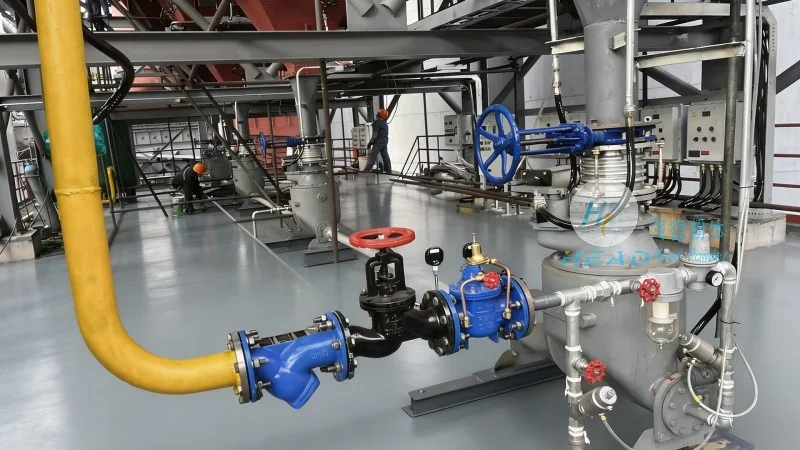
HeadPowder's solutions include a range of components such as rotary valves, airlocks, filters, and control systems that are specifically designed for handling sensitive cathode materials. The company emphasizes the use of high-quality materials and advanced technology to ensure the durability and reliability of its systems. For example, the use of stainless steel or special alloys in components helps prevent corrosion and contamination, which is critical for maintaining the purity of cathode materials. Additionally, HeadPowder's systems are equipped with monitoring and control features that allow for real-time tracking of material flow, pressure, and temperature, enabling operators to optimize performance and detect potential issues before they become major problems.
Benefits of Choosing HeadPowder's Pneumatic Conveying Systems
Implementing a properly designed pneumatic conveying system for cathode material handling offers several benefits. First, it improves operational efficiency by reducing downtime and increasing throughput. By eliminating manual handling and mechanical conveyors, the system streamlines the material flow process, allowing for faster production cycles and higher output. Second, it enhances product quality by minimizing contamination and degradation. The closed-loop design and non-contact transport of materials ensure that the cathode materials remain in their original state, which is essential for achieving consistent battery performance and meeting quality standards.
Third, the system enhances safety in the workplace. Pneumatic conveying systems eliminate the need for manual handling of potentially hazardous materials, reducing the risk of accidents and exposure to dust or other airborne particles. This not only improves the safety of the workforce but also helps in complying with regulatory requirements related to occupational health and safety. Fourth, the system provides cost savings over time. While the initial investment in a pneumatic conveying system may be higher than traditional methods, the long-term benefits in terms of reduced maintenance, lower material loss, and increased productivity result in significant cost savings for the facility.