

Principle and Working Scene Characteristics of Camellia Seed Pneumatic Conveying Machines
Camellia seed pneumatic conveying machines represent a sophisticated solution for the efficient handling and transportation of camellia seeds in industrial settings. These systems leverage the principles of pneumatic transport to move seeds from one location to another, offering advantages such as reduced labor costs, improved safety, and enhanced product quality. This article delves into the underlying principles of these machines and explores the key working scene characteristics that make them indispensable in modern processing facilities.
Understanding the Core Principle of Pneumatic Conveying
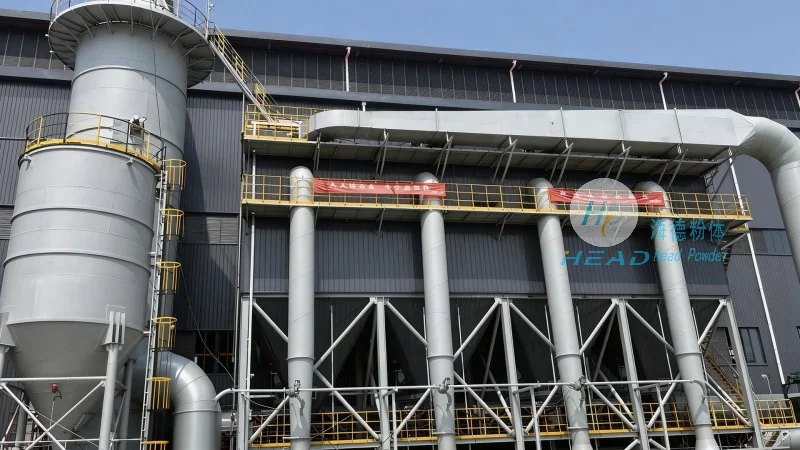
The fundamental principle of camellia seed pneumatic conveying machines is the use of air as the conveying medium to transport solid particles, in this case, camellia seeds. The system typically operates by creating a pressure differential between the intake and discharge points. At the intake end, seeds are drawn into the conveying line using a vacuum or pressure source. The air, along with the seeds, travels through the pipeline to the discharge point where the air is separated from the seeds, often through a cyclone separator or other filtration equipment. This method eliminates the need for mechanical components like belts or buckets, which are common in traditional conveying systems. The absence of moving parts reduces maintenance requirements and minimizes the risk of product contamination, making it ideal for handling delicate or high-value seeds like camellia seeds.
Key Working Scene Characteristics
The effectiveness of camellia seed pneumatic conveying machines is significantly influenced by several working scene characteristics that must be considered during system design and operation. These characteristics include:
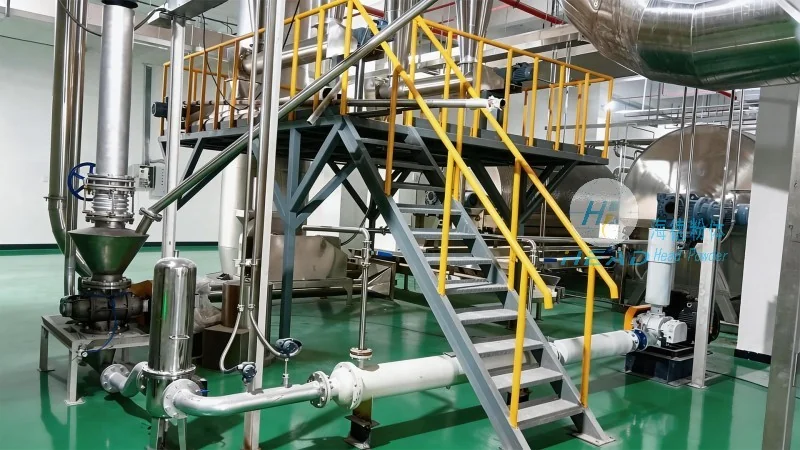
1. **Material Properties**: The physical properties of camellia seeds, such as their size, shape, density, and moisture content, directly impact the conveying efficiency. For instance, seeds with irregular shapes or high moisture content may require adjustments to the air velocity and pipeline diameter to ensure smooth transport. The system must be designed to handle the specific characteristics of the seeds to prevent blockages or degradation.
2. **System Layout and Layout**: The spatial arrangement of the intake, conveying line, and discharge points is critical. The optimal layout minimizes the length of the conveying line and the number of bends, which can cause pressure losses and reduce conveying efficiency. In industrial settings, the system is often integrated with other processing equipment, such as cleaning or sorting machines, to create a seamless workflow. The layout must also consider the available floor space and the need for easy access for maintenance and cleaning.
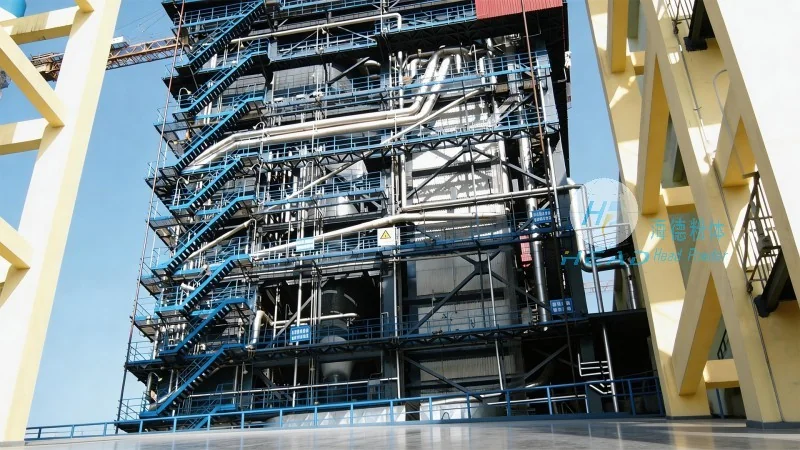
3. **Air Flow and Pressure Management**: The air flow rate and pressure levels are crucial parameters that determine the conveying capacity and distance. Higher air velocities can increase the conveying capacity but may also lead to higher energy consumption and increased wear on components. Proper pressure management ensures that the seeds are transported at a consistent speed without causing excessive pressure drops or blockages. The system typically includes pressure sensors and control valves to regulate the air flow and maintain optimal conditions.
4. **Environmental Factors**: The working environment, including temperature, humidity, and dust levels, can affect the performance of the pneumatic conveying system. High humidity may cause seeds to clump together, leading to blockages, while excessive dust can increase the wear on the pipeline and filtration equipment. The system must be designed to operate effectively in the specific environmental conditions of the processing facility, often incorporating dust collection and filtration systems to maintain air quality and prevent equipment damage.
Applications and Industry Integration
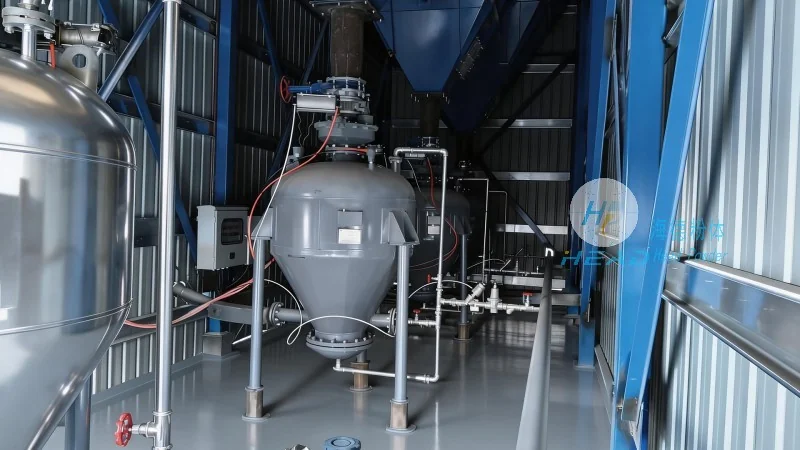
Camellia seed pneumatic conveying machines are widely used in various industrial applications, particularly in the processing of camellia seeds for oil extraction and other value-added products. The systems are commonly integrated into production lines that include seed cleaning, sorting, and storage facilities. In these settings, the pneumatic conveying system serves as a critical link between different processing stages, ensuring that seeds are transported efficiently and without damage. The advantages of these systems, such as reduced labor costs and improved product quality, make them a preferred choice for manufacturers looking to enhance their operational efficiency.
About Shandong HeadPowder Engineering Co., Ltd.
Shandong HeadPowder Engineering Co., Ltd., commonly known as HeadPowder, is a leading manufacturer of pneumatic conveying systems and related industrial equipment. With a strong focus on innovation and quality, the company has established itself as a trusted partner for businesses in the food processing and agricultural industries. HeadPowder specializes in designing and manufacturing customized pneumatic conveying solutions tailored to the specific needs of its clients. The company's products are known for their durability, efficiency, and reliability, making them suitable for demanding industrial environments. HeadPowder's commitment to customer satisfaction and technical excellence has earned it a reputation as a leading provider of industrial conveying solutions in China.