

Principle and Working Scene Characteristics of Calcined Limestone Pneumatic Conveying Equipment
Calcined limestone, a vital raw material in numerous industrial processes, requires efficient and reliable transportation systems to support smooth operations. Pneumatic conveying equipment, specifically designed for calcined limestone, serves as a critical component in modern material handling. This article delves into the fundamental principles underlying calcined limestone pneumatic conveying machines and highlights the key characteristics of their operational environments.
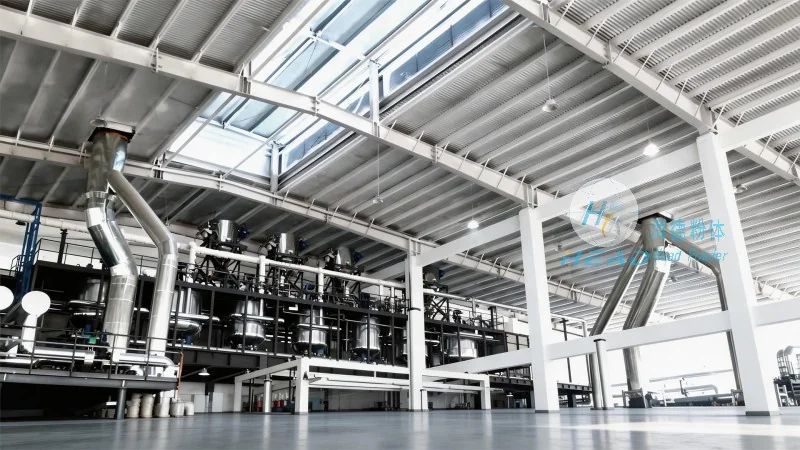
Understanding the Core Principle of Pneumatic Conveying for Calcined Limestone
The pneumatic conveying system for calcined limestone operates on the principle of utilizing air or gas to transport bulk materials through a pipeline. This method, known as pneumatic conveying, eliminates the need for mechanical components such as belts or buckets, offering advantages like reduced maintenance and enhanced safety. The system typically incorporates a blower or compressor that generates the necessary air pressure to move the limestone particles. The process can be categorized into two main types: aspiration (or suction) systems and pressure (or blow) systems. In aspiration systems, the material is drawn into the pipeline by creating a negative pressure at the inlet, while pressure systems use positive pressure to push the material through the line. For calcined limestone, which is often light and dusty, an aspiration system is commonly preferred due to its ability to handle fine particles and maintain a consistent flow rate. The equipment includes a hopper for material storage, a rotary valve for controlled discharge, a pipeline network, and a dust collector to manage airborne particles. The blower, typically a centrifugal or positive displacement type, provides the driving force, with its capacity and pressure tailored to the specific characteristics of the limestone, such as particle size, density, and moisture content. The design of the conveying line, including pipe diameter, length, and bends, is crucial for minimizing pressure drop and ensuring efficient material transport. The system also incorporates a filter or cyclone to separate the limestone from the air, preventing dust accumulation and maintaining air quality. Overall, the pneumatic conveying principle for calcined limestone enables a clean, low-maintenance, and energy-efficient method of material handling, aligning with modern industrial standards.
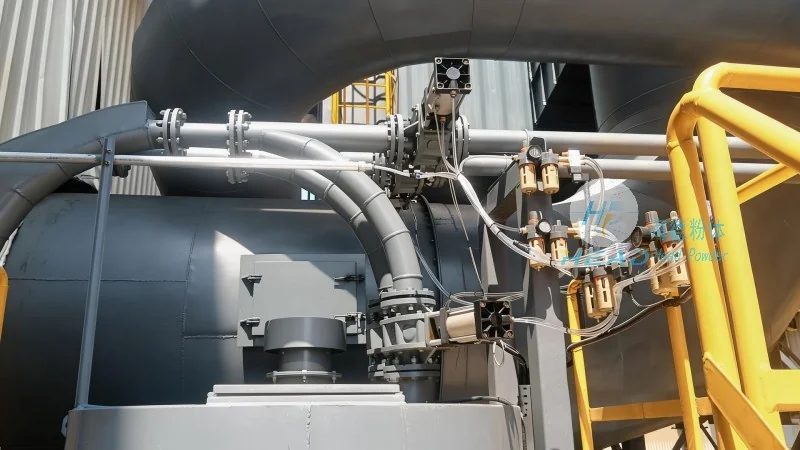
Key Working Scene Characteristics of Calcined Limestone Pneumatic Conveying Machines
The working environment of calcined limestone pneumatic conveying machines is characterized by several distinct features that impact their design and operation. First, the material itself—calcined limestone—has specific properties that influence the system's performance. Calcined limestone is a light, porous material with a relatively low bulk density, which can affect the air-to-material ratio required for effective conveying. Its fine particle size and dustiness necessitate robust filtration and dust control measures to prevent environmental contamination and ensure compliance with industrial regulations. The working scene often involves large-scale industrial facilities, such as cement plants, chemical processing plants, or power stations, where calcined limestone is used as a raw material or a reagent. These facilities typically require high throughput and continuous operation, demanding reliable and durable conveying equipment. The equipment is usually installed in an indoor or semi-enclosed area to protect it from external elements and to facilitate maintenance. The layout of the conveying line is carefully planned to minimize the number of bends and to maintain a consistent slope to prevent material settling or blockages. The system is integrated with other process equipment, such as storage silos, mixers, or reactors, to form a seamless material handling loop. The working environment also involves considerations for safety, including explosion-proof designs for the blower and other components, as calcined limestone can be a combustible dust under certain conditions. Additionally, the system's energy efficiency is a critical factor, as the cost of compressed air and the overall operational expenses are significant in large-scale industrial applications. The working scene characteristics, therefore, dictate the choice of equipment type, material handling capacity, and operational parameters to ensure optimal performance and compliance with industry standards.
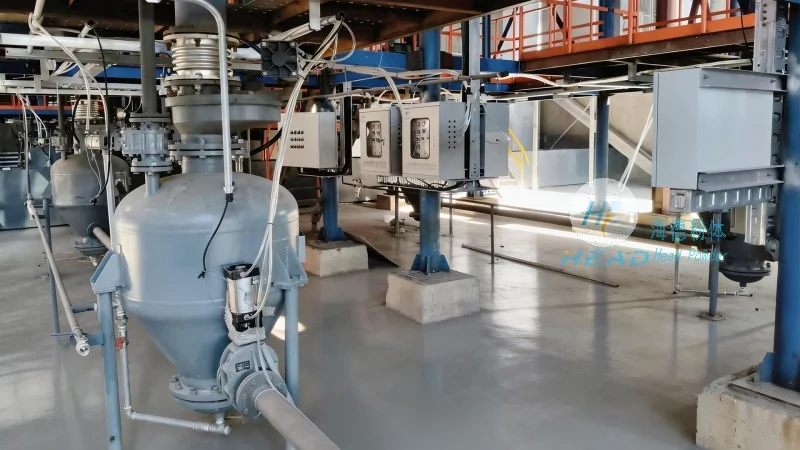
Applications and Benefits in Industrial Settings
The calcined limestone pneumatic conveying machines are widely applied in various industrial sectors, offering numerous benefits that enhance operational efficiency and product quality. In cement production, calcined limestone is a primary raw material used to adjust the chemical composition of the clinker. The pneumatic conveying system ensures a consistent and controlled supply of limestone to the kiln, which is crucial for maintaining the quality of the final cement product. The system's ability to handle fine particles and maintain a steady flow rate helps in achieving uniform mixing and reduces the risk of material segregation. In chemical processing, calcined limestone is used as a neutralizing agent or a filler in various products, such as paints, plastics, or adhesives. The pneumatic conveying equipment allows for precise dosing and transport of the limestone, ensuring accurate formulation and consistent product properties. In power generation, calcined limestone is used in flue gas desulfurization (FGD) systems to remove sulfur dioxide from exhaust gases. The system's reliability and low maintenance requirements make it suitable for continuous operation in power plants, where downtime can lead to significant operational costs. The benefits of using pneumatic conveying for calcined limestone include improved safety by eliminating manual handling of dusty materials, reduced labor costs due to automated operation, and enhanced environmental performance through effective dust control. The system also contributes to energy savings by optimizing the air-to-material ratio and minimizing pressure losses in the pipeline. Overall, the applications of calcined limestone pneumatic conveying machines span across multiple industries, providing a versatile and efficient solution for material handling that meets the demands of modern industrial processes.
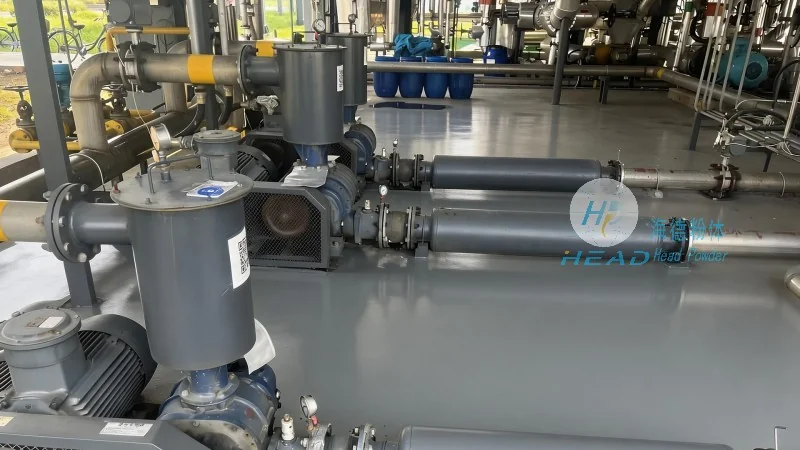
Company Overview: Shandong HeadPowder Engineering Co., Ltd.
HeadPowder, a leading manufacturer of industrial material handling equipment, specializes in the design, manufacturing, and supply of pneumatic conveying systems for various bulk materials, including calcined limestone. With a strong focus on innovation and quality, HeadPowder has established itself as a trusted partner in the industry, providing customized solutions tailored to the specific needs of clients. The company's headquarters is located in Shandong, China, where it leverages advanced technology and skilled engineering expertise to develop state-of-the-art conveying equipment. HeadPowder's products are known for their durability, efficiency, and compliance with international standards, ensuring reliable performance in demanding industrial environments. The company's commitment to customer satisfaction and technical support has earned it a reputation for excellence in the market. By combining years of experience with continuous research and development, HeadPowder continues to advance the technology of pneumatic conveying, offering solutions that enhance productivity and reduce operational costs for its clients. The company's presence in the industry underscores its role as a key player in providing efficient material handling solutions for calcined limestone and other bulk materials.