

Principle and Working Scene Characteristics of Calcium Oxide Dry Powder Pneumatic Conveying Machine
At Shandong HeadPowder Engineering Co., Ltd., we specialize in advanced material handling solutions, particularly in the design and manufacturing of pneumatic conveying systems for various industrial applications. Our focus is on optimizing the transport of calcium oxide, a critical material in many industrial processes, through efficient and reliable dry powder pneumatic conveying technology. The company, known as HeadPowder, is headquartered in Shandong, China, and has established itself as a leading provider of customized material handling equipment tailored to the unique needs of different industries.
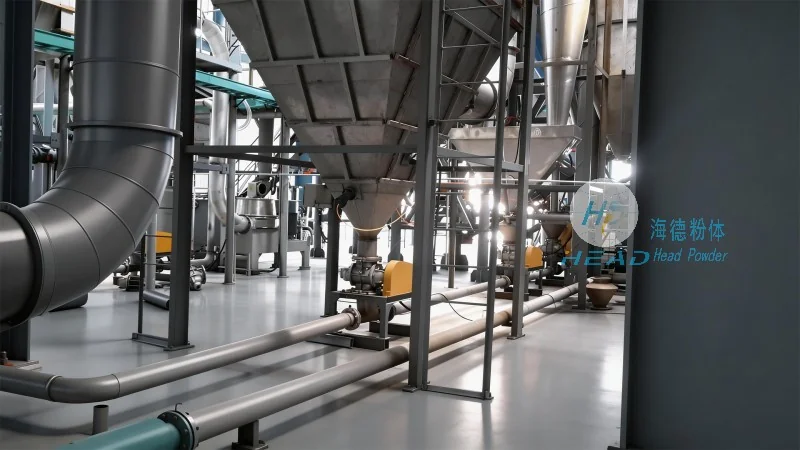
Principle of Pneumatic Conveying for Calcium Oxide
The fundamental principle of a calcium oxide dry powder pneumatic conveying machine revolves around the use of compressed air to move dry powder materials through a pipeline. This method is distinct from traditional mechanical conveying systems, which rely on belts, buckets, or screws. Pneumatic conveying eliminates the need for these mechanical components, reducing maintenance costs and minimizing the risk of material degradation due to friction or mechanical stress. The system typically comprises several key components: a hopper for storing the calcium oxide, a rotary airlock valve to control the discharge of material into the conveying line, a pipeline network that transports the material, and a receiver or discharge point where the material is deposited. Compressed air is introduced into the pipeline, creating a pressure differential that propels the calcium oxide particles. The velocity and pressure of the air are carefully regulated to ensure the material is transported at an optimal speed, preventing clogging or excessive wear on the system components. This approach is particularly effective for calcium oxide because of its fine particle size (typically ranging from 10 to 200 microns) and its tendency to form agglomerates or dust during handling. The pneumatic system ensures that the material is transported in a dry state, preserving its quality and preventing moisture absorption that could affect its reactivity or performance in downstream processes.
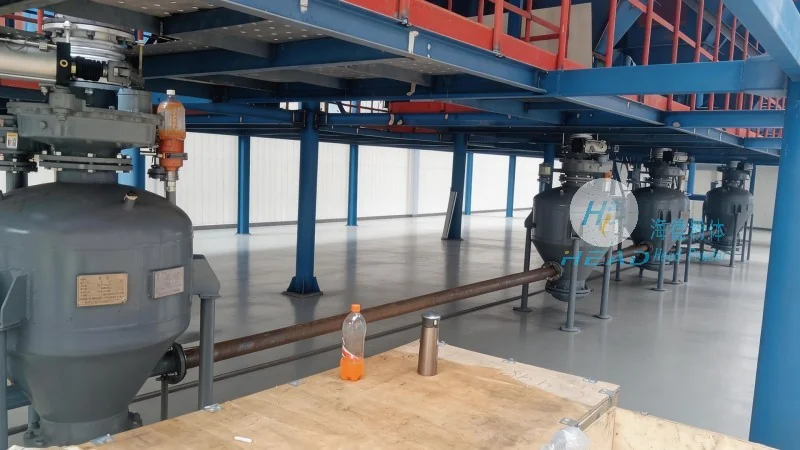
Working Scene Characteristics and Applications
The working scene characteristics of calcium oxide dry powder pneumatic conveying machines are closely aligned with the operational requirements of industrial facilities where calcium oxide is utilized. These systems are commonly found in chemical manufacturing plants, food processing facilities, and pharmaceutical production sites, where the material needs to be transferred from storage to processing units or between different stages of production. The key characteristics include high efficiency in material transport, minimal material loss, and the ability to handle varying flow rates and particle sizes. For example, in chemical plants, calcium oxide is often used as a raw material in the production of calcium hydroxide, calcium carbonate, or other derivatives. The pneumatic conveying system ensures a continuous and reliable supply of calcium oxide to the reactors, maintaining consistent production rates and reducing downtime. In food processing, calcium oxide is used as a food additive or in the production of dairy products, and the system helps maintain the purity and quality of the material, which is critical for product safety and regulatory compliance. The working scene also involves considerations for dust control and environmental management, as calcium oxide is a fine powder that can generate significant airborne dust. Advanced systems incorporate dust collection and filtration equipment to capture and contain the particles, ensuring safe operation and compliance with environmental regulations. Additionally, the flexibility of pneumatic conveying allows for easy integration with existing production lines, enabling seamless operation and minimizing the need for extensive modifications to the facility.
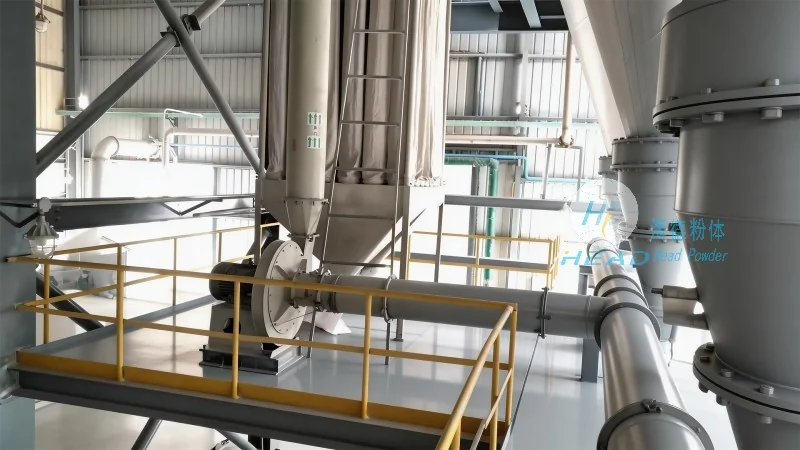
Advantages and Technical Specifications
Calcium oxide dry powder pneumatic conveying machines offer several distinct advantages over conventional material handling methods. The primary benefits include reduced labor costs due to automated operation, lower maintenance requirements as there are fewer moving parts, and improved material quality due to the absence of mechanical abrasion. The systems are also designed to handle high volumes of material, making them suitable for large-scale industrial applications. Technical specifications vary based on the specific application, but common features include adjustable air pressure and flow rates, variable speed rotary airlock valves, and durable materials of construction to withstand the corrosive or abrasive nature of calcium oxide. The conveying lines are typically made of stainless steel or other corrosion-resistant materials to prevent material degradation and ensure long-term performance. The hopper and receiver are equipped with dust suppression systems to minimize the release of fine particles into the environment, enhancing workplace safety and environmental protection. Furthermore, the systems can be equipped with monitoring and control systems that allow for real-time tracking of material flow, pressure, and temperature, enabling operators to optimize performance and detect potential issues before they become critical. These features contribute to increased operational efficiency, reduced downtime, and improved overall productivity in industrial settings.