

How to Choose the Right Pneumatic Conveying System for Your Sawdust and Husk Handling Process?
When it comes to managing sawdust and husk in industrial settings, selecting the appropriate pneumatic conveying system is crucial for efficiency, cost-effectiveness, and operational reliability. The right system can significantly enhance the performance of your material handling process, ensuring smooth transport from source to destination. This guide will walk you through the key considerations and factors to evaluate when choosing a pneumatic conveying system tailored to your sawdust and husk handling needs.
Understanding the Material Characteristics: Sawdust and Husk
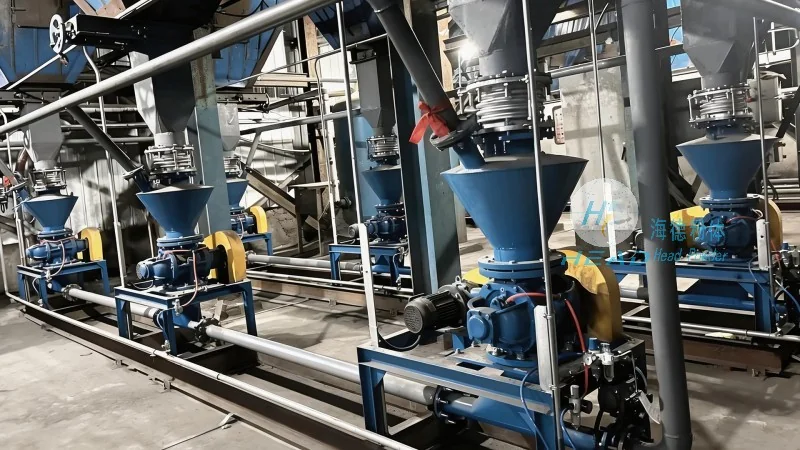
Before diving into system selection, it's essential to understand the physical and chemical properties of sawdust and husk. These materials vary widely in terms of particle size, moisture content, and density, which directly impact the choice of conveying technology. Sawdust typically consists of fine wood particles, while husk may include agricultural byproducts with different fibrous structures. The moisture content is a critical factor as it affects the material's flowability and potential for caking or blockages. Shandong HeadPowder Engineering Co., Ltd. specializes in designing systems that accommodate these variations, ensuring optimal performance under diverse conditions.
Types of Pneumatic Conveying Systems for Sawdust and Husk
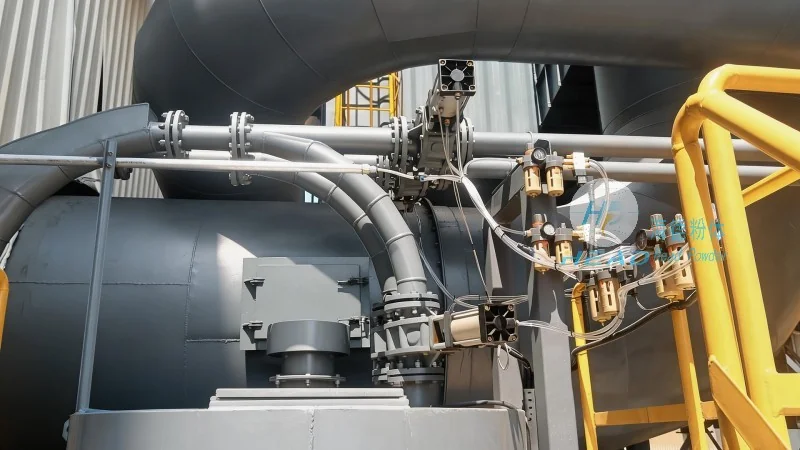
There are several types of pneumatic conveying systems, each with its own advantages and limitations. The most common options include pressure and vacuum systems. Pressure systems use compressed air to push material through a pipeline, while vacuum systems use suction to draw material from the source. For sawdust and husk, pressure systems are often preferred due to their ability to handle larger particles and higher volumes. However, vacuum systems can be more suitable for applications requiring gentle material handling or when the material is sensitive to pressure changes. Shandong HeadPowder Engineering Co., Ltd. offers both pressure and vacuum solutions, allowing customers to choose based on their specific operational requirements.
Key Factors in System Selection
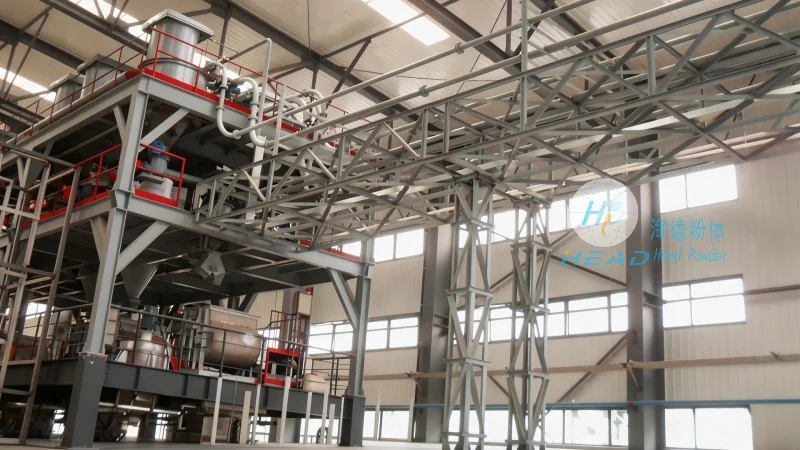
Several key factors must be considered when selecting a pneumatic conveying system for sawdust and husk. First, the distance and layout of the conveying route are critical. Longer distances may require more powerful systems or multiple stages to maintain material velocity. Second, the capacity and flow rate needed for your operation are important. The system must be capable of handling the desired throughput without causing excessive pressure drops or material degradation. Third, the material's characteristics, such as particle size distribution and moisture content, influence the choice of equipment like cyclones, filters, and separators. Shandong HeadPowder Engineering Co., Ltd. conducts thorough assessments of these factors to provide customized solutions that meet the unique demands of each project.
Customized Solutions from Shandong HeadPowder Engineering Co., Ltd.
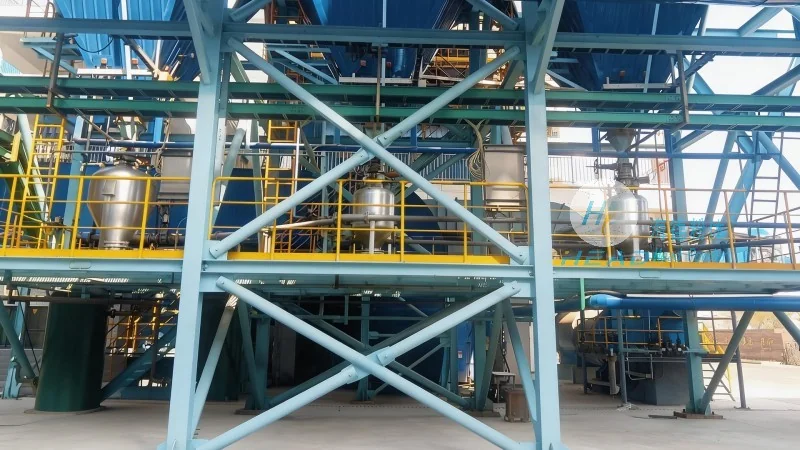
At Shandong HeadPowder Engineering Co., Ltd., we understand that every sawdust and husk handling process is unique. Our team of experts works closely with clients to evaluate their specific needs, including material properties, operational constraints, and budget considerations. We then design and implement pneumatic conveying systems that are tailored to these requirements. Our solutions may include a combination of pressure and vacuum stages, advanced filtration systems to maintain material quality, and robust pipeline designs to prevent blockages. By leveraging our experience and expertise, we ensure that our clients achieve efficient, reliable, and cost-effective material transport. Our commitment to quality and customer satisfaction has made us a trusted partner in the industry, with operations based in Shandong, China.