

How to Choose the Right Pneumatic Conveying System for Your Cement and Fly Ash Handling Process?
When it comes to managing the transportation of cement and fly ash in industrial processes, selecting the appropriate pneumatic conveying system is crucial for efficiency, reliability, and cost-effectiveness. The choice of system directly impacts operational performance, equipment longevity, and overall process safety. This guide aims to help you navigate the key considerations and factors to evaluate when choosing a pneumatic conveying solution tailored to your specific cement and fly ash handling requirements.
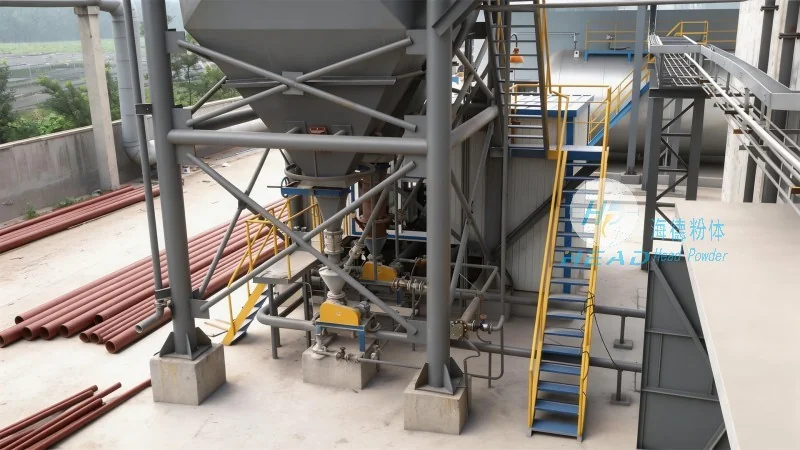
Understanding the Core Requirements of Cement and Fly Ash Handling
Before diving into system selection, it's essential to understand the unique characteristics of cement and fly ash materials. Cement is a fine, abrasive powder with high density, while fly ash is also a fine particulate material that can be more challenging due to its moisture content and potential for agglomeration. These properties influence the type of conveying system that will be most effective. For instance, the particle size distribution, flowability, and potential for dust generation all play a role in determining whether a positive pressure, negative pressure, or hybrid system is suitable.
Key Factors to Consider in System Selection
Several critical factors must be evaluated when selecting a pneumatic conveying system for cement and fly ash applications. First, the distance and layout of the conveying route are important. Short-distance applications might benefit from a simple venturi system, while longer distances may require more complex systems with multiple stages or booster units. Second, the volume of material to be transported per hour is a key parameter. High-capacity systems are designed to handle large quantities efficiently, ensuring that production rates are not compromised. Third, the required pressure and flow rates must align with the system's capabilities. This involves understanding the pressure drop characteristics of the material and the system's ability to maintain consistent flow rates under varying conditions.
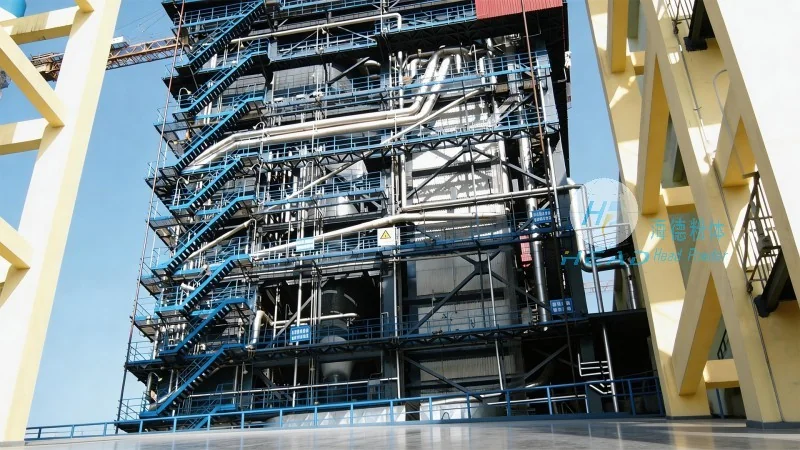
Types of Pneumatic Conveying Systems for Cement and Fly Ash
There are primarily two types of pneumatic conveying systems commonly used in cement and fly ash handling: positive pressure and negative pressure systems. Positive pressure systems, such as pressure vessels or rotary airlocks, generate air pressure to push material through the system. These systems are often preferred for handling abrasive materials like cement because they can handle higher pressures and are less prone to clogging. Negative pressure systems, on the other hand, use suction to draw material from the source. They are typically used for shorter distances and in applications where dust containment is a priority. Hybrid systems combine elements of both positive and negative pressure, offering flexibility for complex layouts and varying material characteristics.
Components and Design Considerations
Each component of a pneumatic conveying system plays a vital role in its overall performance. The hopper or feeder is responsible for feeding material into the system, ensuring a consistent flow rate. The conveying line, often made of stainless steel or other corrosion-resistant materials, must be able to withstand the abrasive nature of cement and fly ash. The air compressor or vacuum pump provides the necessary pressure or suction, with considerations for power efficiency and noise levels. The control system, including sensors and valves, ensures that the system operates smoothly and can be adjusted as needed. For cement and fly ash applications, materials like 316 stainless steel are commonly used for the conveying line and components to resist corrosion and wear.
HeadPowder Engineering's Expertise in Pneumatic Conveying Solutions
Shandong HeadPowder Engineering Co., Ltd., a leading provider of engineering solutions for bulk material handling, specializes in designing and manufacturing custom pneumatic conveying systems tailored to the unique needs of cement and fly ash handling processes. With years of experience in the industry, HeadPowder understands the challenges associated with transporting these materials and offers comprehensive solutions that address efficiency, reliability, and safety. The company's team of engineers works closely with clients to assess their specific requirements, including material characteristics, conveying distances, and operational constraints, to develop a system that meets their needs.
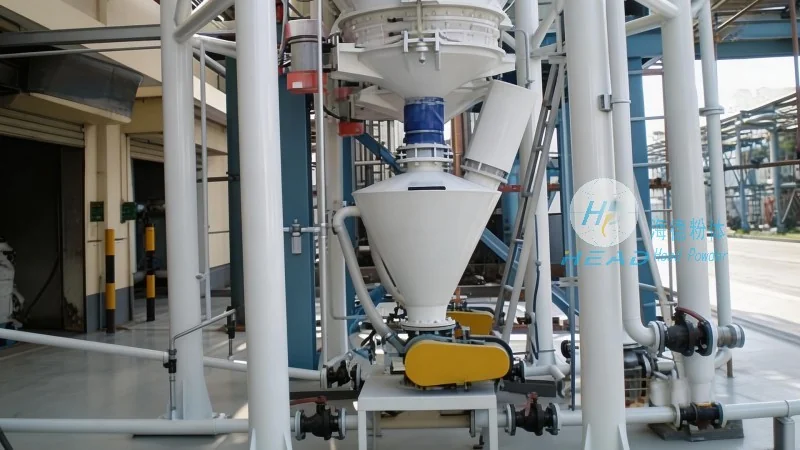
Customization and Integration Services
HeadPowder Engineering provides comprehensive customization and integration services to ensure that the pneumatic conveying system is seamlessly integrated into existing production lines. This includes designing the system to fit within the available space, coordinating with other equipment, and ensuring compatibility with existing control systems. The company also offers maintenance and support services to ensure the system operates at optimal performance levels over its lifespan. By working with HeadPowder, clients can benefit from a tailored solution that is designed to meet their specific requirements and improve overall operational efficiency.
Conclusion: Making the Right Choice for Your Cement and Fly Ash Handling
Selecting the right pneumatic conveying system for cement and fly ash handling is a critical decision that can significantly impact operational performance and costs. By considering factors such as material characteristics, conveying distance, and system requirements, and working with a reputable provider like Shandong HeadPowder Engineering Co., Ltd., you can ensure that you choose a system that meets your needs and delivers long-term benefits. Whether you are looking for a standard system or a custom solution, HeadPowder Engineering offers the expertise and experience to help you make the right choice for your cement and fly ash handling process.