

Principle and Working Scenario Characteristics of Intermittent Feeding Powder Material Handling
Intermittent feeding powder material handling systems are critical in various industrial processes, particularly in sectors requiring precise and controlled movement of bulk powders. This article explores the fundamental principles behind such systems and highlights the key working scenario characteristics that define their effectiveness and application, with insights from Shandong HeadPowder Engineering Co., Ltd., a leading provider of specialized material handling solutions based in China.
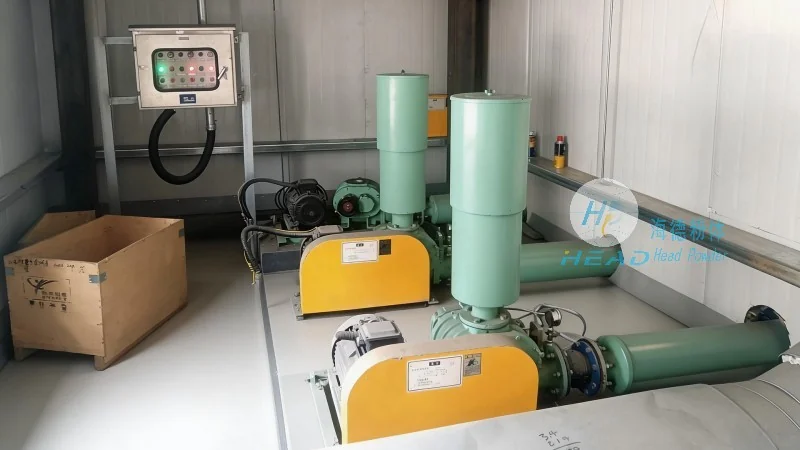
Introduction to Intermittent Feeding Powder Handling
Intermittent feeding, also known as batch or periodic feeding, involves the controlled, stepwise transfer of powder materials from a source to a destination. Unlike continuous feeding systems, which maintain a constant flow, intermittent feeding systems operate in cycles, delivering material in discrete quantities. This approach is essential for applications where precise dosing, material segregation, or process control is paramount. The technology behind these systems integrates mechanical components, control mechanisms, and material handling strategies to ensure efficient and reliable operation.
Core Principles of Intermittent Feeding Systems
The operation of intermittent feeding powder handling systems is governed by several core principles that ensure accuracy and reliability. First, the system relies on a combination of feeding mechanisms, such as screw feeders, vibratory feeders, or rotary valves, which are designed to move material in controlled increments. These mechanisms are typically synchronized with control systems that regulate the timing and duration of each feeding cycle. The principle of material containment is also critical, as the system must prevent spillage, segregation, or degradation of the powder during transfer. This is achieved through sealed housing, proper sealing of connections, and the use of appropriate materials for the construction of the feeding equipment.
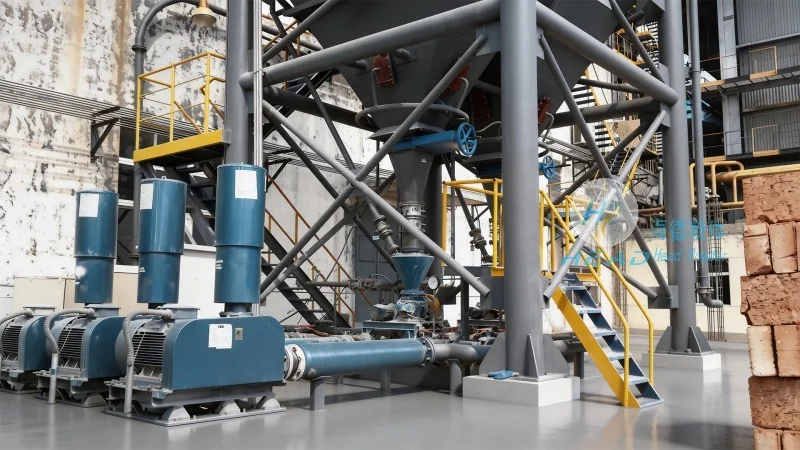
Another key principle is the consideration of material properties. Different powders have varying flow characteristics, such as angle of repose, cohesion, and compressibility, which influence how they behave in the feeding system. Intermittent feeding systems are often designed to accommodate these variations by adjusting parameters like feed rate, pressure, or vibration intensity. This adaptability ensures that the system can handle a wide range of materials, from free-flowing powders to cohesive or sticky substances.
Working Scenario Characteristics and Applications
The working scenario characteristics of intermittent feeding powder handling systems are tailored to specific industrial needs, making them suitable for diverse applications. One of the primary characteristics is the ability to provide precise dosing, which is essential in processes like pharmaceutical manufacturing, where exact amounts of active ingredients are required. In such scenarios, the system's accuracy and repeatability are critical to maintaining product quality and compliance with regulatory standards.
In the chemical industry, intermittent feeding systems are used for handling raw materials and intermediates, often in batch processes where controlled addition of reagents is necessary. The ability to deliver material in controlled batches allows for better process control and reduces the risk of over- or under-dosing, which can impact reaction efficiency and product yield. Additionally, these systems are commonly employed in food processing, where hygiene and material purity are paramount. The sealed design and easy cleaning features of intermittent feeding equipment make them suitable for handling food-grade powders, ensuring compliance with food safety regulations.
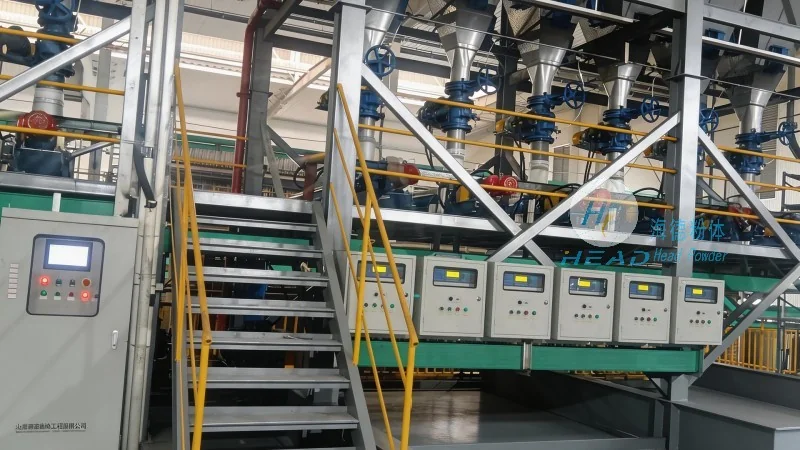
Another significant working scenario characteristic is the system's flexibility in handling different material types and process requirements. For instance, in the mining and mineral processing sector, intermittent feeding systems are used to transport ore and other bulk materials from storage silos to processing equipment. The ability to handle abrasive and heavy materials, combined with robust construction, makes these systems ideal for harsh industrial environments. Similarly, in the cement and construction materials industry, intermittent feeding is used to deliver raw materials like limestone and clay to mixing and grinding operations, where precise material ratios are crucial for achieving the desired product quality.
Advantages and Key Considerations in Intermittent Feeding Systems
Intermittent feeding powder handling systems offer several advantages that make them a preferred choice in many industrial applications. One of the main benefits is the enhanced control over material flow, which reduces the risk of overloading downstream equipment and minimizes material waste. This precision is particularly valuable in processes where material loss or contamination can have significant economic or safety implications.
Another advantage is the improved process reliability. By operating in cycles, the system allows for regular maintenance and inspection, ensuring that components are functioning optimally. This proactive approach reduces downtime and increases overall system availability. Additionally, the sealed design of intermittent feeding systems helps maintain material integrity, preventing contamination from external sources and preserving the quality of the powder being handled.
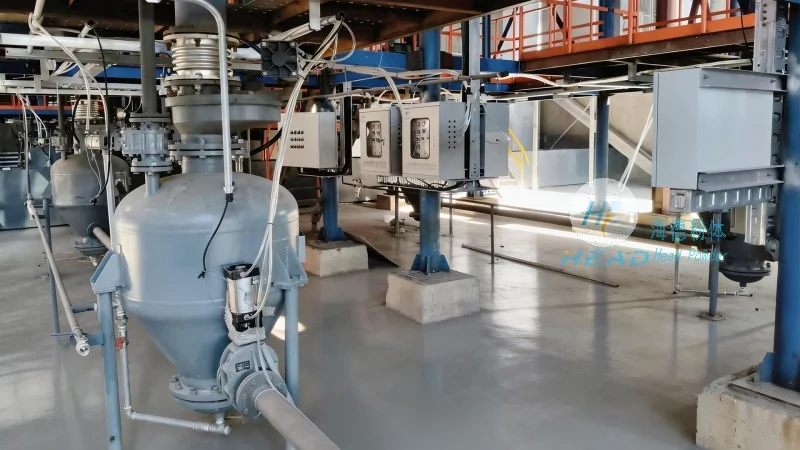
When selecting an intermittent feeding system, several factors must be considered to ensure optimal performance. The first is the material's physical properties, as mentioned earlier, which dictate the choice of feeding mechanism and system design. The system must be capable of handling the specific flow characteristics, such as bulk density and flowability, to avoid issues like bridging or segregation. Another consideration is the scale of operation, as larger systems may require more robust components and higher capacity feeders. The integration with existing process control systems is also critical, as the system must be compatible with the plant's automation infrastructure to ensure seamless operation.
Conclusion
Intermittent feeding powder material handling systems represent a sophisticated solution for the precise and controlled transfer of bulk powders in various industrial applications. By adhering to fundamental principles of material containment, process control, and adaptability, these systems provide reliable performance across diverse working scenarios. The working scenario characteristics, including precise dosing, flexibility in material handling, and robust construction, make them indispensable in sectors ranging from pharmaceuticals and chemicals to food processing and mining. As industrial processes continue to demand higher levels of efficiency and quality, the importance of intermittent feeding systems in maintaining operational excellence and product integrity will only grow.