

Principle and Working Scene Characteristics of Calcium Carbide Slag Powder Conveying
Calcium carbide slag powder, a byproduct of the calcium carbide production process, requires efficient and reliable conveying solutions for industrial applications. The process of transporting this fine powder involves understanding the fundamental principles of powder handling and the specific characteristics of the material itself. This article explores the core principles underlying calcium carbide slag powder conveying and highlights the key working scene characteristics that define effective system design and operation.
Key Principles of Powder Conveying for Calcium Carbide Slag
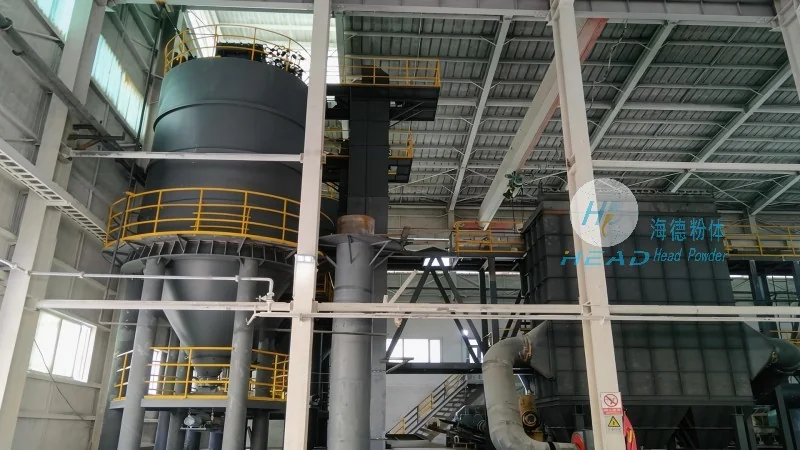
The successful transportation of calcium carbide slag powder hinges on several critical principles. First, the material's particle size distribution and flow properties are paramount. Fine powders like calcium carbide slag can exhibit cohesive behavior, making it essential to consider factors such as moisture content, particle shape, and surface charge. Properly addressing these characteristics ensures stable flow and prevents issues like blockages or agglomeration. Second, the conveying system must be designed to minimize material degradation and contamination. This includes selecting appropriate equipment materials, such as corrosion-resistant components, to maintain the quality of the slag powder. Third, energy efficiency and operational reliability are key considerations. Systems should be engineered to operate with minimal power consumption while ensuring consistent performance over extended periods. These principles collectively form the foundation for effective calcium carbide slag powder conveying solutions.
Working Scene Characteristics of Calcium Carbide Slag Powder Conveying
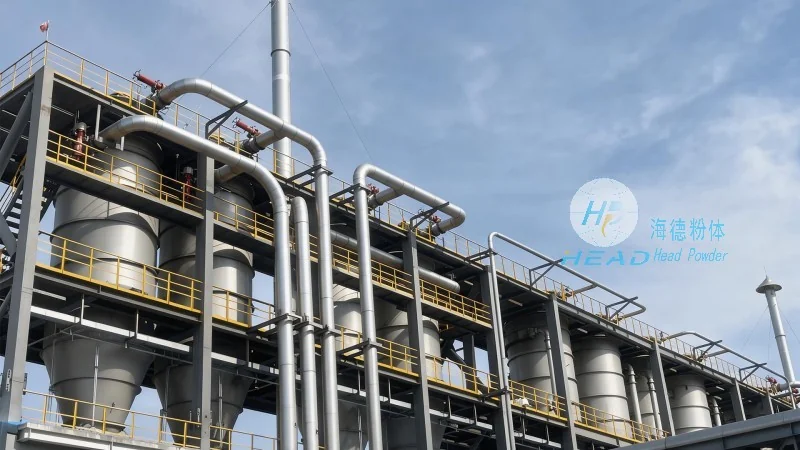
The working scene characteristics of calcium carbide slag powder conveying systems are shaped by the specific industrial environments where these materials are handled. One primary characteristic is the need for systems that can handle high volumes of fine powder while maintaining low pressure differentials. This often requires the use of specialized equipment like screw conveyors, pneumatic conveyors, or bucket elevators, each with distinct advantages depending on the application. Another characteristic is the requirement for dust control and environmental compliance. Calcium carbide slag can be a fine, airborne material, necessitating effective dust suppression measures such as enclosed systems, filtration, and proper ventilation to ensure workplace safety and regulatory adherence. Additionally, the systems must be adaptable to varying production rates and material compositions. This flexibility is crucial in industrial settings where production schedules and material properties may change frequently. The working scene also includes considerations for space constraints and integration with existing infrastructure. Many facilities have limited space, requiring compact and modular conveying solutions that can be easily integrated into existing production lines. These characteristics highlight the importance of tailored system design to meet the unique demands of each application.
Applications and Industries Utilizing Calcium Carbide Slag Powder Conveying
Calcium carbide slag powder is utilized in various industrial applications, and the conveying systems designed for it must align with these specific uses. In the chemical industry, calcium carbide slag is often used as a raw material for producing acetylene gas or as a component in cement production. The conveying systems for these applications must handle the slag powder efficiently while maintaining the purity required for downstream processes. In the construction sector, calcium carbide slag can be used as a supplementary cementitious material, and the conveying equipment must ensure consistent material delivery to mixing plants. The mining and mineral processing industries also utilize calcium carbide slag in certain applications, requiring conveyors that can handle abrasive and fine materials. Each of these industries presents unique challenges, from handling high moisture content in some chemical processes to managing abrasive particles in mining operations. The versatility of calcium carbide slag powder conveying systems makes them suitable for a wide range of industrial needs, provided the system is properly designed to meet the specific requirements of the application.
Equipment and Technologies for Calcium Carbide Slag Powder Conveying
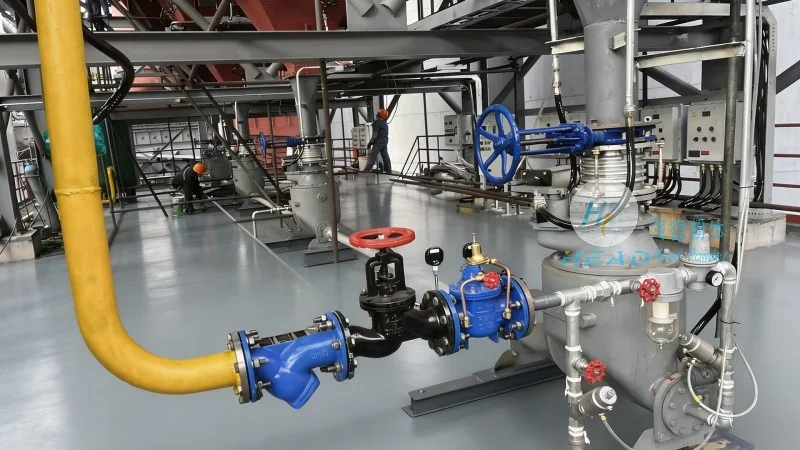
Several equipment and technologies are commonly employed in calcium carbide slag powder conveying systems. Screw conveyors are widely used due to their simplicity and effectiveness in handling fine powders. They are particularly suitable for horizontal or slight incline conveying, providing a continuous and controlled flow of material. Pneumatic conveyors, on the other hand, use air to transport the powder, offering flexibility in system layout and the ability to handle both horizontal and vertical transport. This technology is advantageous in applications where space is limited or where the material needs to be transported over longer distances. Bucket elevators are another option, especially for vertical transport, where they can efficiently lift fine powders to elevated levels. These systems are often used in combination with other equipment to form a complete conveying line. Additionally, modern technologies such as flexible hose conveyors and rotary valve systems are being increasingly adopted. Flexible hose conveyors provide high flexibility in system design, allowing for easy reconfiguration of the conveying path. Rotary valve systems, commonly used as feeders or discharge devices, ensure a controlled and consistent flow of material into the conveying system. The choice of equipment depends on factors such as material properties, system layout, and operational requirements, with each technology offering specific benefits tailored to the application.