

Principle and Working Scene Characteristics of Fly Ash Material Conveying Lines
Fly ash, a byproduct of coal combustion in thermal power plants, is a valuable resource that requires efficient handling and transportation. The fly ash material conveying line is a specialized system designed to transport this fine particulate material safely and effectively. Understanding its underlying principles and the diverse working scenarios where it is applied is crucial for optimizing industrial operations and ensuring compliance with environmental standards. This article delves into the technical aspects of fly ash conveying systems, highlighting their design, functionality, and the specific environments where they excel.
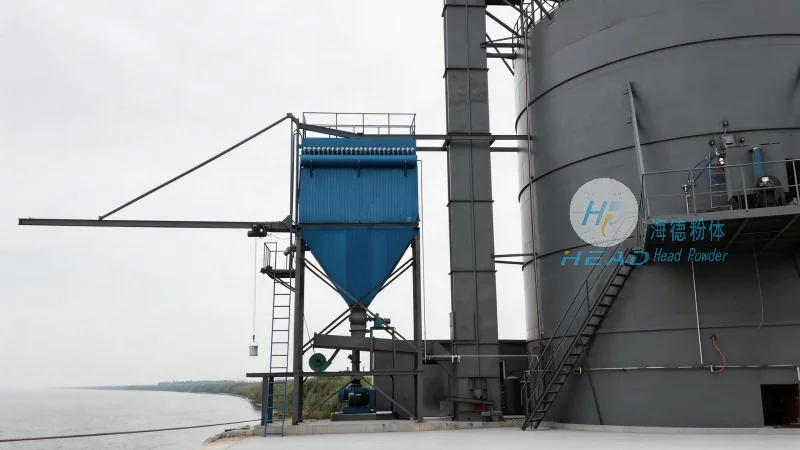
Core Principles of Fly Ash Material Conveying Systems
The fundamental principle of fly ash material conveying lines revolves around the use of mechanical or pneumatic methods to move fine, dry particles over long distances. The most common approach involves a combination of screw conveyors, belt conveyors, and pneumatic duct systems, each tailored to the specific characteristics of fly ash—such as its low bulk density, high moisture content (in some cases), and potential for dust generation. The system typically includes feed hoppers, transfer points, and discharge mechanisms, all engineered to minimize material degradation and ensure consistent flow.
Key to the efficiency of these systems is the control of air flow and pressure in pneumatic conveying lines. By adjusting the velocity of the air stream, operators can manage the velocity of the fly ash particles, preventing clogging and ensuring smooth transport. Mechanical conveyors, on the other hand, rely on the rotation of screws or the movement of belts to push the material forward, making them suitable for horizontal or slight incline applications. The choice between pneumatic and mechanical systems depends on factors like the distance to be covered, the volume of material, and the need for dust suppression.
Working Scene Characteristics: Industrial Applications and Operational Environments
Fly ash material conveying lines are deployed in a wide range of industrial settings, each with unique requirements that shape the design of the system. In thermal power plants, for instance, these lines are integral to the ash handling process, transporting fly ash from the boiler to storage silos or disposal sites. The working environment here is characterized by high temperatures, high humidity, and the presence of corrosive gases, necessitating materials like stainless steel or corrosion-resistant coatings for the conveyor components.
In cement manufacturing plants, fly ash is often used as a supplementary cementitious material (SCM), and the conveying line must handle the material in a way that preserves its quality and prevents contamination. This requires precise control over moisture content and particle size, as well as the use of enclosed systems to avoid dust exposure. The working scene in cement plants is also influenced by the need for integration with existing production lines, demanding flexible and adaptable conveying solutions.
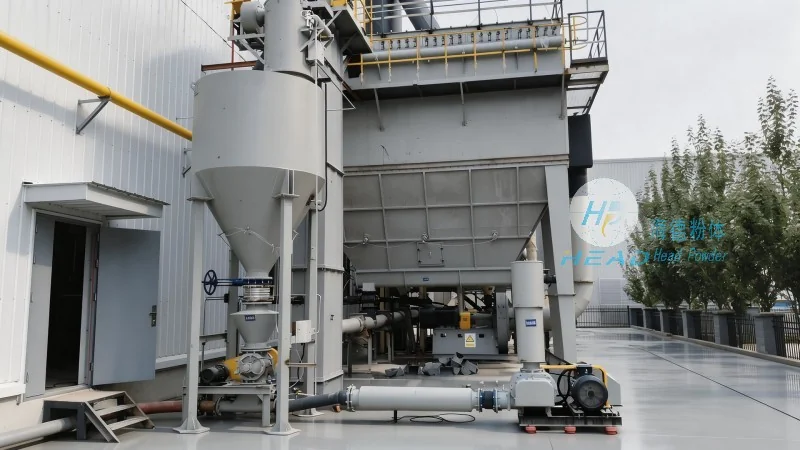
In another key application, the construction and demolition waste management sector utilizes fly ash as a filler or binder in recycled aggregates. The conveying line in this context must be capable of handling mixed materials, including fine particles and larger debris, and may require additional screening or separation equipment to ensure the material meets quality standards. The working environment here is often more variable, with potential for debris and the need for robust, durable components.
In municipal solid waste (MSW) incineration facilities, fly ash material conveying lines are used to transport the ash from the incinerator to treatment or disposal facilities. The working scene is characterized by high temperatures and the presence of toxic gases, requiring advanced filtration and safety measures. The system must also be designed to handle the variability in ash composition, which can change based on the type of waste being incinerated.
Technical Advantages and Operational Benefits
The adoption of fly ash material conveying lines offers several technical advantages that enhance industrial efficiency and sustainability. One of the primary benefits is the reduction in labor costs associated with manual handling of fly ash, as the automated system minimizes the need for human intervention in the transport process. This not only improves safety but also increases the throughput of the material, allowing for higher production rates in power plants and cement factories.
Another significant advantage is the improvement in environmental performance. By using enclosed and dust-tight systems, the conveying lines prevent the release of fine particulate matter into the atmosphere, reducing air pollution and complying with environmental regulations. The use of efficient conveying methods also minimizes energy consumption compared to traditional methods like truck transport, contributing to lower carbon footprints.
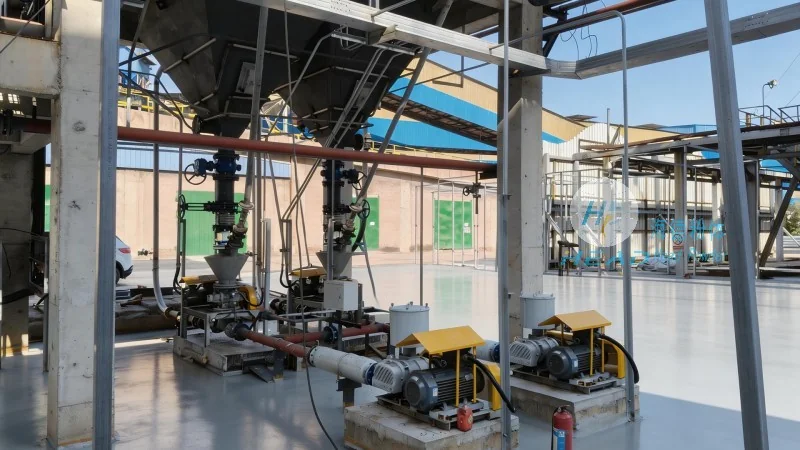
Furthermore, the modular design of these systems allows for easy integration with existing infrastructure, making it possible to upgrade or expand the conveying capacity without major disruptions to the production process. This flexibility is particularly valuable in industries where demand for fly ash handling fluctuates, such as during peak production seasons in power plants or during construction projects.
Company Profile: Shandong HeadPowder Engineering Co., Ltd.
As a leading provider of industrial conveying solutions, Shandong HeadPowder Engineering Co., Ltd. specializes in designing and manufacturing customized fly ash material conveying lines tailored to the specific needs of its clients. With a strong focus on innovation and quality, the company has established itself as a trusted partner in the power, cement, and waste management industries. HeadPowder's expertise lies in understanding the unique challenges of fly ash handling and developing solutions that address these challenges effectively.
The company's headquarters is located in Shandong, China, where it operates a state-of-the-art manufacturing facility equipped with advanced design software and testing equipment. This enables HeadPowder to deliver high-performance conveying systems that meet international standards and customer specifications. The company's team of engineers and technicians brings years of experience in material handling and industrial automation, ensuring that each project is executed with precision and reliability.
HeadPowder's commitment to customer satisfaction is reflected in its comprehensive after-sales support services. From installation and commissioning to maintenance and troubleshooting, the company provides ongoing assistance to ensure that the conveying lines operate at optimal efficiency. This approach has helped HeadPowder build a strong reputation for delivering durable, reliable, and cost-effective solutions that enhance the productivity and sustainability of its clients' operations.