

Principle and Working Scene Characteristics of Quantitative Weighing Material Conveying System Equip
Quantitative weighing material conveying systems represent a critical component in modern industrial operations, designed to ensure precise material handling and efficient production processes. These systems integrate advanced weighing technology with robust conveying mechanisms, enabling businesses to achieve accurate material measurement and seamless material flow. By understanding the core principles and operational scenarios of such systems, industries can optimize their workflow, enhance productivity, and maintain consistent quality standards.
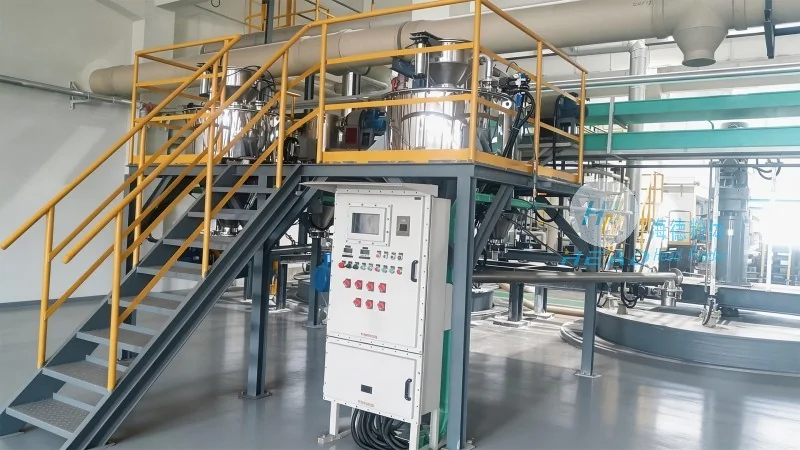
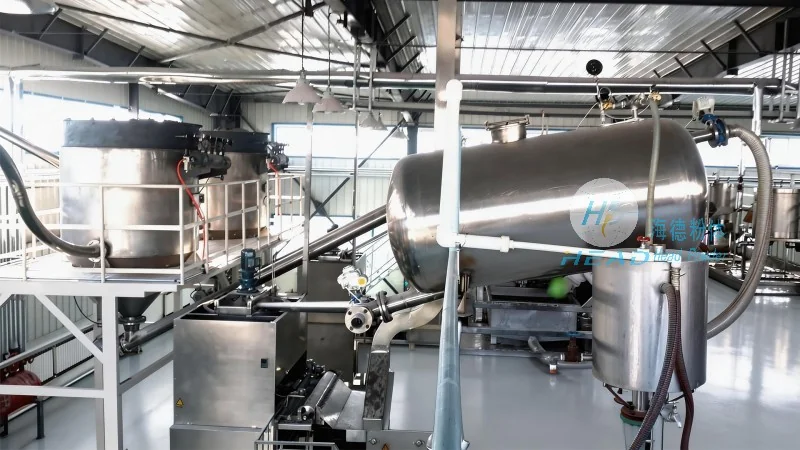
The Core Principles of Quantitative Weighing Material Conveying Systems
At the heart of quantitative weighing material conveying systems lies a sophisticated integration of weighing sensors, control units, and conveying equipment. The primary principle is to measure the mass of material in a controlled manner, typically through load cells or other precision weighing components. These systems are engineered to deliver a specific, pre-determined quantity of material, often used in applications where accuracy is paramount, such as in chemical processing, food manufacturing, and pharmaceutical production. The system operates by detecting the weight of material as it moves through the conveyor, adjusting the flow rate or timing to achieve the desired weight. This precision is crucial for maintaining product consistency and reducing waste, as over or under-feeding can lead to quality issues or inefficiencies.
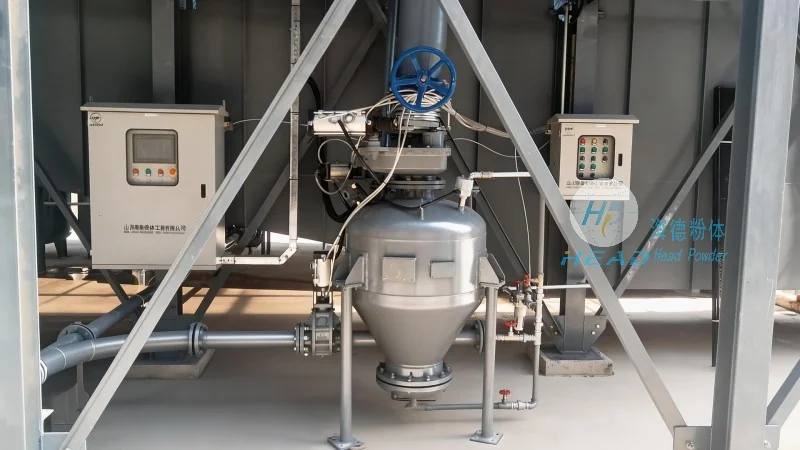
Key Working Scene Characteristics
The working scene characteristics of quantitative weighing material conveying systems vary based on the industry and specific application requirements. In industrial settings, these systems are commonly employed in environments where bulk materials need to be processed, such as in mining, construction, and agriculture. The systems are designed to handle a wide range of materials, from powders and granules to bulk solids, ensuring versatility across different operational contexts. One notable characteristic is the ability to integrate with other production equipment, such as mixers, reactors, or packaging machines, creating a streamlined production line. This integration enhances operational efficiency by minimizing manual intervention and reducing the risk of human error. Additionally, the systems are often equipped with real-time monitoring and data logging capabilities, allowing operators to track performance metrics and make informed decisions to optimize processes. The adaptability of these systems to different working environments, including both indoor and outdoor settings, further underscores their practical utility in diverse industrial applications.
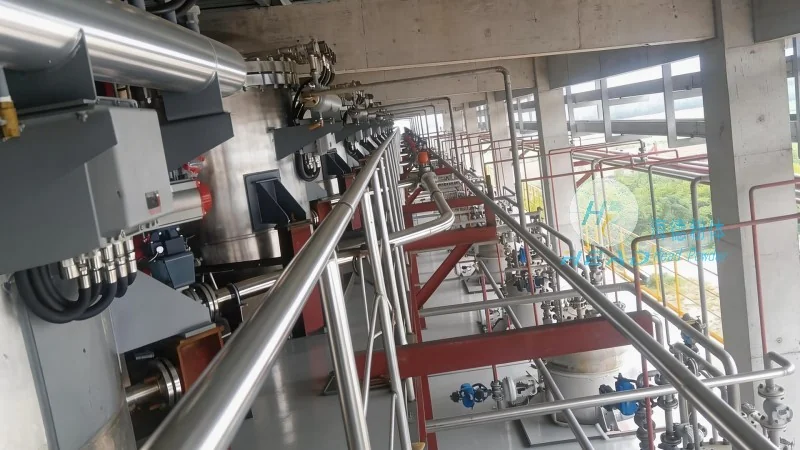
Company Overview: Shandong HeadPowder Engineering Co., Ltd.
HeadPowder, a leading manufacturer of quantitative weighing material conveying systems, is dedicated to providing high-quality, reliable equipment tailored to the needs of various industries. With a strong commitment to innovation and customer satisfaction, the company has established itself as a trusted partner in material handling solutions. HeadPowder's products are designed to meet stringent industry standards, ensuring durability, accuracy, and efficiency. The company's manufacturing facilities, located in Shandong, China, leverage advanced technology and rigorous quality control processes to produce systems that deliver consistent performance. By focusing on research and development, HeadPowder continuously improves its product line to address evolving industry demands, offering solutions that enhance operational efficiency and reduce costs for clients. The company's expertise in material handling technology, combined with its customer-centric approach, makes it a preferred choice for businesses seeking dependable and effective quantitative weighing material conveying systems.