

Principle and Working Scene Characteristics of Graphite Powder Pneumatic Conveying Systems
Graphite powder, a widely used material in various industrial applications, often requires efficient and reliable transportation methods to ensure smooth production processes. The pneumatic conveying system emerges as a critical solution for handling graphite powders, offering advantages such as dust-free operation, reduced material loss, and enhanced safety. This article delves into the fundamental principles of graphite powder pneumatic conveying systems and explores the distinct characteristics of their working scenarios, providing insights into how these systems optimize material handling in industrial settings.
The Core Principle of Pneumatic Conveying for Graphite Powders
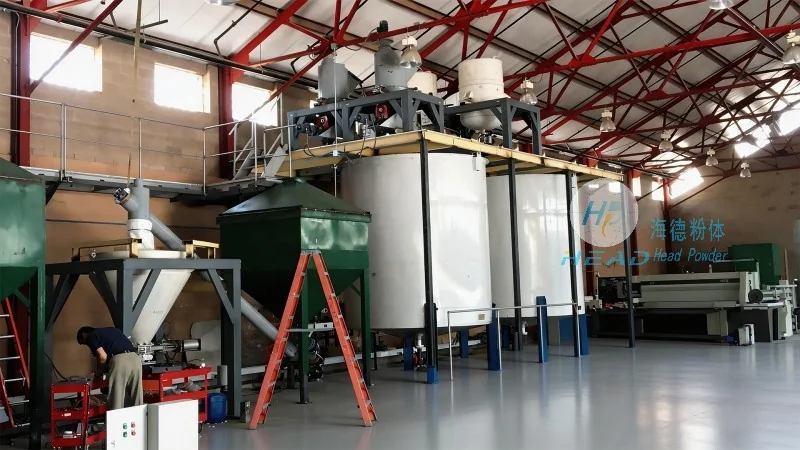
The pneumatic conveying system operates on the principle of transporting solid particles, including graphite powder, using a stream of compressed air or gas. The process typically involves several key components: a hopper for material storage, a feeder to control the flow rate, a conveying line where the powder is carried by the air stream, and a receiver to collect the material at the destination. The system can be categorized into two main types: dilute-phase and dense-phase conveying, each tailored to different material properties and application requirements. For graphite powders, which are often fine and lightweight, dilute-phase systems are commonly employed, where the powder is suspended in the air stream and transported at high velocities. The principle of fluidization, where the powder particles are kept in a suspended state by the air flow, is central to the efficiency of these systems. Additionally, the system may incorporate features like pressure or vacuum operation, depending on the specific application and the need to move material over varying distances or elevations.
Key Working Scene Characteristics of Graphite Powder Pneumatic Conveying Systems
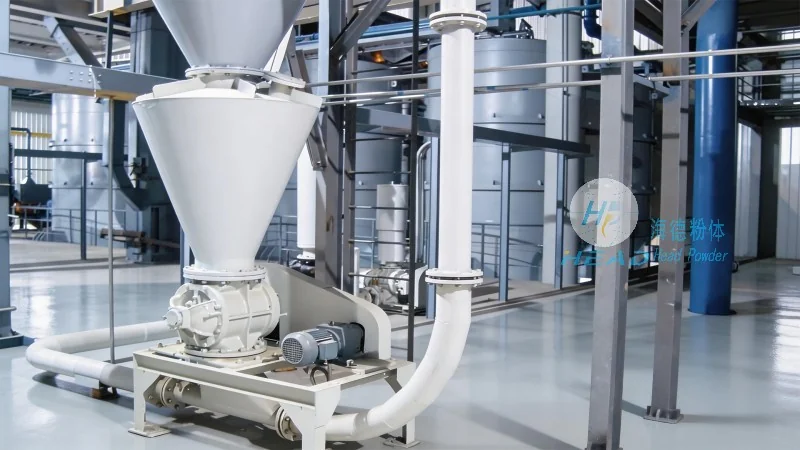
The working scene characteristics of graphite powder pneumatic conveying systems are shaped by several factors, including the nature of the graphite powder, the operational environment, and the specific industrial processes involved. One primary characteristic is the need for dust control, as graphite powders are fine and can easily become airborne, posing health and safety risks. Advanced systems incorporate dust collection and filtration mechanisms to ensure compliance with environmental regulations and maintain a safe working environment. Another characteristic is the system's adaptability to different production scales, from small-scale laboratory applications to large-scale industrial operations. This adaptability is achieved through modular design, allowing components to be scaled up or down to meet varying material throughput requirements. The system's efficiency in handling abrasive materials is also a notable characteristic, as graphite powders can be abrasive to equipment, and the design of the conveying line, including the selection of materials for the pipes and components, is critical to minimize wear and extend the system's lifespan. Furthermore, the system's ability to integrate with existing production lines is a key characteristic, enabling seamless material transfer without disrupting the overall workflow. This integration is facilitated by the system's compatibility with various feeders, receivers, and control systems, allowing for a customized solution that fits the specific needs of the industrial application.
Application Scenarios and Industry Integration
Graphite powder pneumatic conveying systems find applications across a range of industries, including battery manufacturing, lubricant production, and aerospace components. In battery manufacturing, for instance, these systems are used to transport graphite powder to the production line, where it is combined with other materials to form electrode materials. The efficiency of the system is crucial in this application, as the quality and consistency of the graphite powder directly impact the performance of the final battery product. In lubricant production, the system helps in transporting graphite powder to the mixing and processing stages, ensuring uniform distribution of the powder in the lubricant formulation. The aerospace industry also utilizes these systems for the production of graphite components, where the precise handling of the powder is essential to maintain the material's properties and ensure the quality of the final parts. The working scene characteristics in these industries vary, with some requiring high-speed conveying for large volumes of material, while others demand precise control over the flow rate to achieve the desired material properties. Regardless of the industry, the system's ability to handle fine powders with minimal loss and contamination is a critical factor in the success of the application.
Conclusion and Company Overview
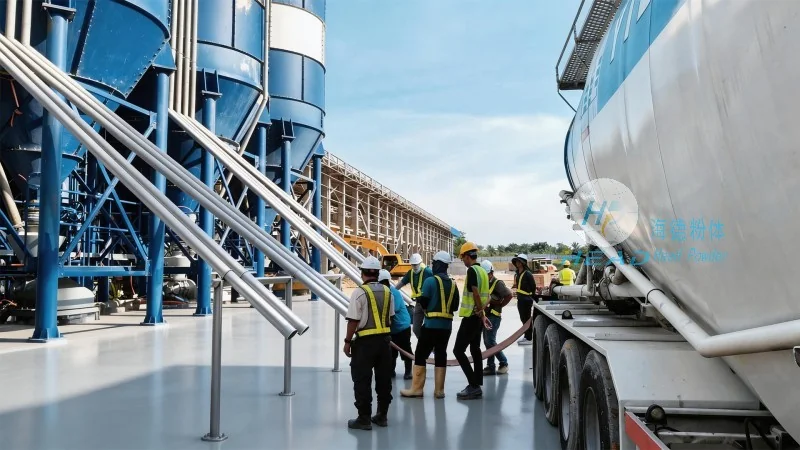
Graphite powder pneumatic conveying systems represent a sophisticated solution for the efficient and safe handling of graphite powders in industrial settings. By understanding the core principles of pneumatic conveying and the distinct characteristics of their working scenarios, industries can optimize their material handling processes, enhance productivity, and ensure compliance with safety and environmental standards. As a leading provider in this field, Shandong HeadPowder Engineering Co., Ltd. specializes in designing and manufacturing customized pneumatic conveying systems tailored to the specific needs of clients. With a focus on innovation and quality, the company ensures that its systems meet the highest standards of performance and reliability, supporting the diverse requirements of industries that rely on graphite powder in their production processes. Based in Shandong, China, HeadPowder leverages its expertise and local resources to deliver comprehensive solutions that enhance operational efficiency and contribute to the success of its clients' businesses.