

Principle and Working Scene Characteristics of Coke Particle Powder Pneumatic Conveying System
HeadPowder, a leading provider in the field, specializes in the design and implementation of advanced pneumatic conveying systems tailored for coke particle powder applications. This article delves into the fundamental principles behind these systems and explores the key working scene characteristics that define their operational effectiveness.
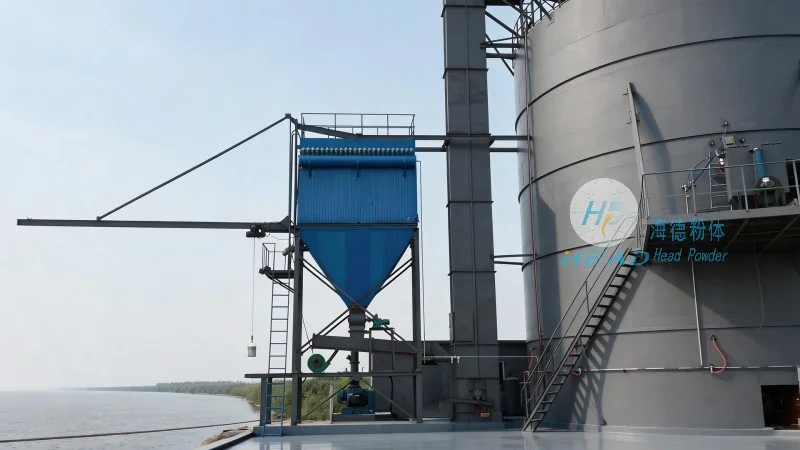
Core Principles of Pneumatic Conveying for Coke Particles
The pneumatic conveying system operates on the principle of transporting solid particles, such as coke powder, through a pipeline using a gas stream, typically air or a mixture of air and gases. In the case of coke particles, the system must accommodate the specific physical properties of the material, including particle size, density, and moisture content, to ensure efficient and reliable transport. The system typically consists of a material feed hopper, a conveying pipeline, a gas source (usually a blower or compressor), and a discharge point. The feed hopper ensures a consistent supply of coke particles, while the blower generates the necessary pressure and airflow to move the particles through the pipeline. The pipeline design, including its diameter, length, and bends, is critical to maintaining the system's efficiency and preventing particle degradation or blockages.
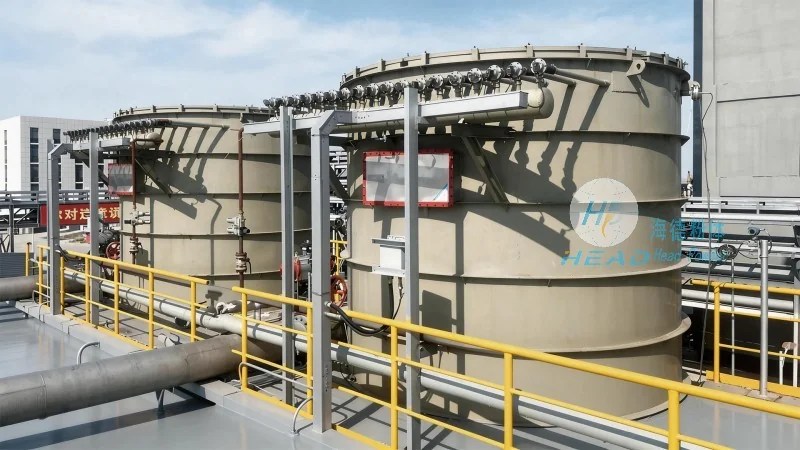
Working Scene Characteristics of Pneumatic Conveying Systems
The working scene characteristics of coke particle pneumatic conveying systems are influenced by several factors that impact performance and operational efficiency. One key characteristic is the system's ability to handle varying particle sizes and densities. For instance, fine coke powders may require higher air velocities to prevent settling or clogging, while larger particles might need a different approach to ensure smooth transport. Another important characteristic is the system's adaptability to different operational environments, such as industrial plants, storage facilities, or processing units. The system's design must also consider factors like dust control, as coke particles can generate significant dust during transport, which requires proper filtration and ventilation to maintain safety and compliance with environmental regulations.
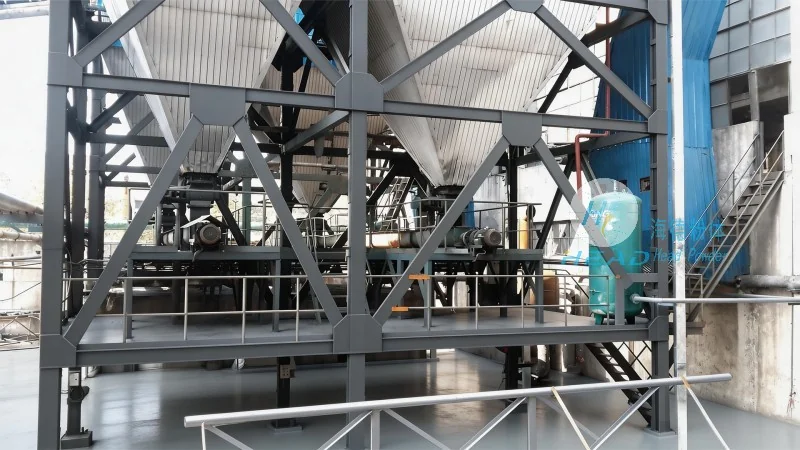
Application Scenarios and Operational Benefits
HeadPowder's pneumatic conveying systems are widely used in various industrial applications where coke particles need to be transported efficiently and safely. For example, in steel manufacturing plants, these systems are used to move coke from storage silos to blast furnaces or other processing equipment. In power generation facilities, the systems help transport coke to boilers for fuel combustion. The operational benefits of these systems include reduced labor costs, as automated systems minimize manual handling of bulk materials, and improved safety, as the enclosed pipeline design prevents dust exposure and reduces the risk of accidents. Additionally, the systems offer high throughput rates, allowing for continuous operation and increased productivity in industrial processes.
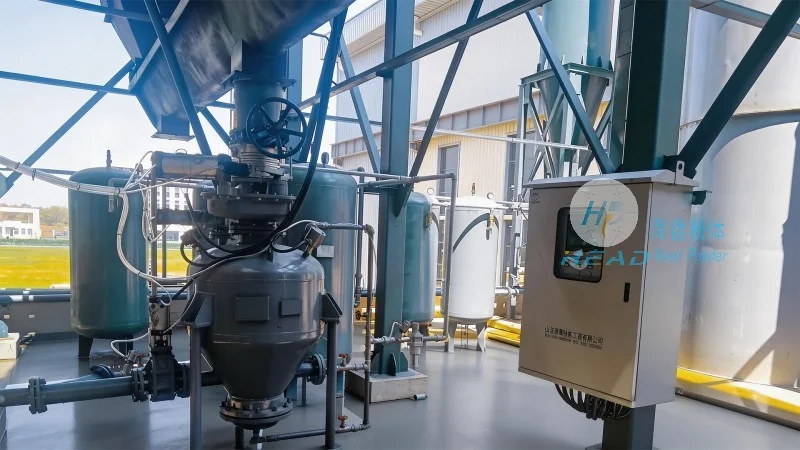
Company Profile: Shandong HeadPowder Engineering Co., Ltd.
HeadPowder, formally known as Shandong HeadPowder Engineering Co., Ltd., is a reputable company based in China, specializing in the engineering and manufacturing of advanced material handling solutions. With a focus on innovation and customer satisfaction, HeadPowder provides customized pneumatic conveying systems tailored to the specific needs of its clients. The company's headquarters is located in Shandong, China, where it operates a state-of-the-art research and development facility, ensuring that its products meet the highest standards of quality and performance. HeadPowder's team of experienced engineers and technicians work closely with clients to understand their operational requirements and develop solutions that enhance efficiency and safety in material handling processes.