

Principle and Operational Characteristics of Polycrystalline Silicon Powder Pneumatic Conveying Syst
Polycrystalline silicon powder pneumatic conveying systems represent a sophisticated technology used in material handling, particularly in industries dealing with fine powders like silicon. The system's design and functionality are tailored to efficiently transport these powders over varying distances and within complex processing environments. This article explores the fundamental principles behind such systems and highlights key operational characteristics that define their effectiveness in real-world applications.
Company Overview: HeadPowder Engineering
HeadPowder, formally known as Shandong HeadPowder Engineering Co., Ltd., is a leading provider of specialized engineering solutions for material handling and processing. With operations based in Shandong, China, the company has established itself as a trusted partner in the development and implementation of advanced pneumatic conveying systems. HeadPowder's expertise lies in customizing solutions that meet the unique demands of industries such as solar energy, semiconductor manufacturing, and chemical processing, where the reliable and efficient transport of polycrystalline silicon is critical.
The Principle of Pneumatic Conveying for Polycrystalline Silicon
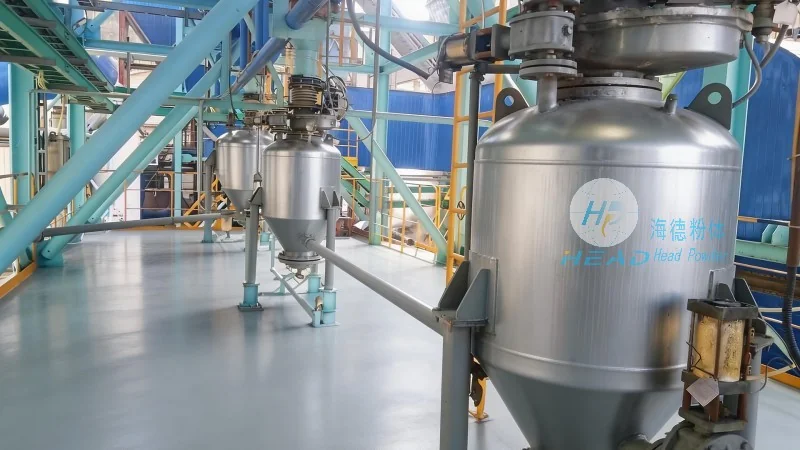
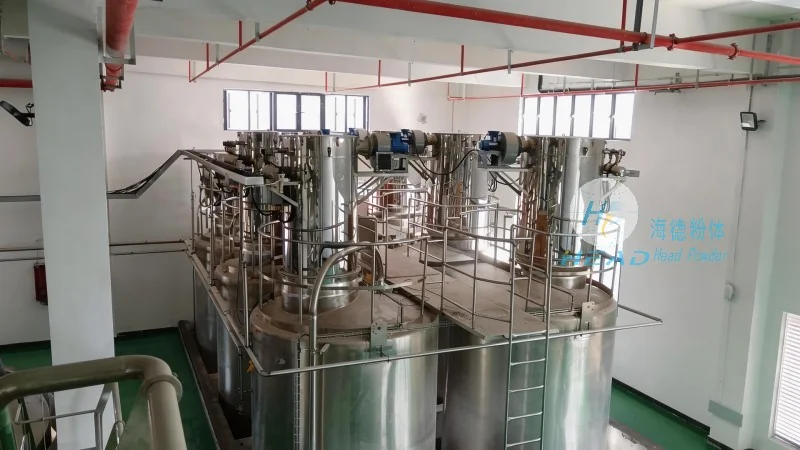
Pneumatic conveying systems operate on the principle of using air or other gases to move solid particles through a pipeline. In the case of polycrystalline silicon powder, the system typically employs a positive pressure or negative pressure (vacuum) method to generate the necessary flow. The positive pressure system involves blowing air into the pipeline, while the negative pressure system uses suction to draw the powder. The choice between these methods depends on factors like the material's properties, the distance to be covered, and the system's overall design. The core components of a typical system include a hopper for material storage, a feeder to control the flow rate, a conveying line, and a receiver for the discharged material. These components work in concert to ensure a continuous and controlled movement of the silicon powder.
Key Operational Characteristics of Polycrystalline Silicon Pneumatic Conveying Systems
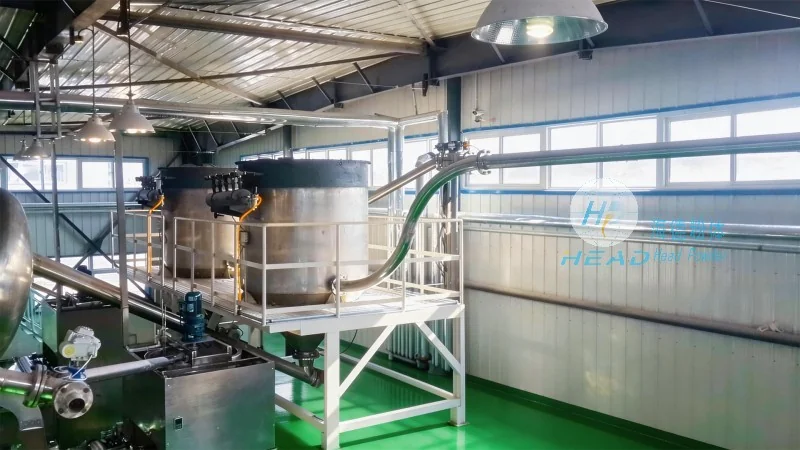
Several operational characteristics define the performance and suitability of polycrystalline silicon pneumatic conveying systems. Firstly, the system's ability to handle fine powders without clogging or degradation is paramount. Polycrystalline silicon has a high density and can be abrasive, which requires specialized materials for the conveying line and components to prevent wear and maintain efficiency. Secondly, the system's scalability is a significant advantage, as it can be designed to handle varying flow rates and distances, from short-line conveying to long-distance transport over several kilometers. This flexibility makes it adaptable to different production scales and facility layouts. Thirdly, the system's energy efficiency is a key consideration, as pneumatic conveying can be more energy-intensive than other methods like bulk handling. However, modern systems incorporate advanced control technologies to optimize air usage and minimize energy consumption, balancing performance with operational costs. Additionally, the system's ability to integrate with existing production lines is crucial, allowing for seamless incorporation into existing workflows without major disruptions. This integration capability is vital for industries that require continuous operation and minimal downtime.
Real-World Application Scenarios
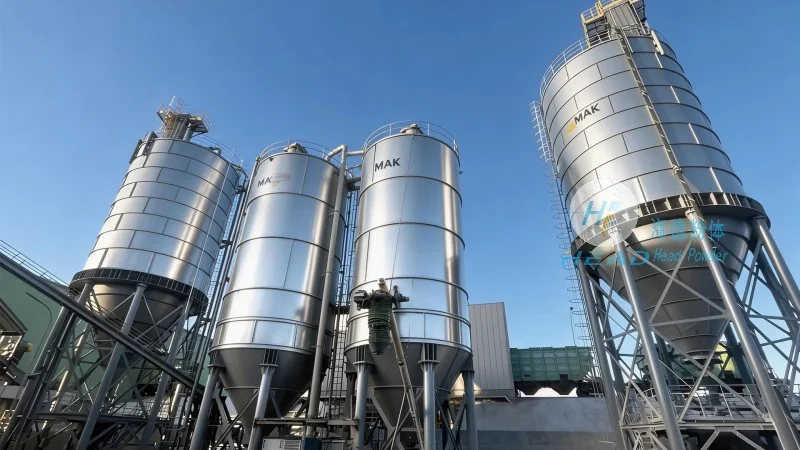
Polycrystalline silicon pneumatic conveying systems are widely used in various industrial settings, particularly in the solar panel manufacturing industry. One common application is the transport of silicon powder from storage silos to production lines, where it is used as a raw material for the production of solar cells. The system's ability to handle large volumes of powder efficiently and maintain product quality is essential in this process. Another application is in the chemical processing industry, where silicon powder is used as an additive in the production of various compounds. The system's precision in controlling the flow rate ensures consistent product quality and reduces waste. Furthermore, in the semiconductor manufacturing sector, the system may be used to transport silicon powder for the production of wafers and other components. The system's ability to maintain a clean and controlled environment is critical in these applications, as any contamination can affect the final product's performance.
Conclusion
Polycrystalline silicon powder pneumatic conveying systems are a vital technology in industries that rely on the efficient and reliable transport of fine powders. The systems' ability to handle high volumes, maintain product quality, and integrate with existing processes makes them an indispensable part of modern material handling solutions. As industries continue to advance and demand higher efficiency and precision, the importance of such systems will only grow. HeadPowder Engineering, with its expertise and commitment to quality, remains at the forefront of providing tailored solutions that meet the evolving needs of its clients in the polycrystalline silicon processing sector.