

Principle and Working Scene Characteristics of a Manganese Carbonate Powder Pneumatic Conveying Syst
Understanding the fundamental principles and operational characteristics of a pneumatic conveying system for manganese carbonate powder is crucial for industries that rely on efficient material handling. This system leverages the principles of air flow to transport fine powders like manganese carbonate, offering a flexible and effective solution for various industrial applications. The core of the system involves the use of air as the conveying medium, which can be either in positive or negative pressure modes, depending on the specific requirements of the process. By utilizing air to move the powder, the system eliminates the need for mechanical components such as belts or buckets, reducing maintenance costs and increasing operational reliability. This makes it an attractive option for industries dealing with abrasive or sensitive materials like manganese carbonate.
Principle of Operation for Manganese Carbonate Powder Pneumatic Conveying
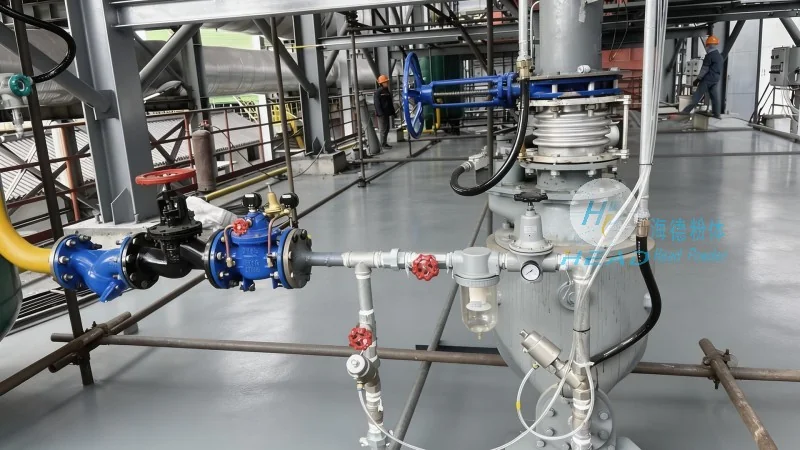
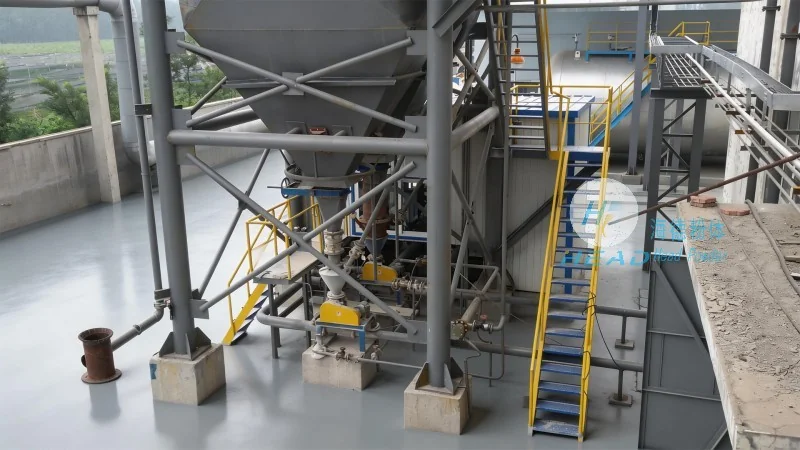
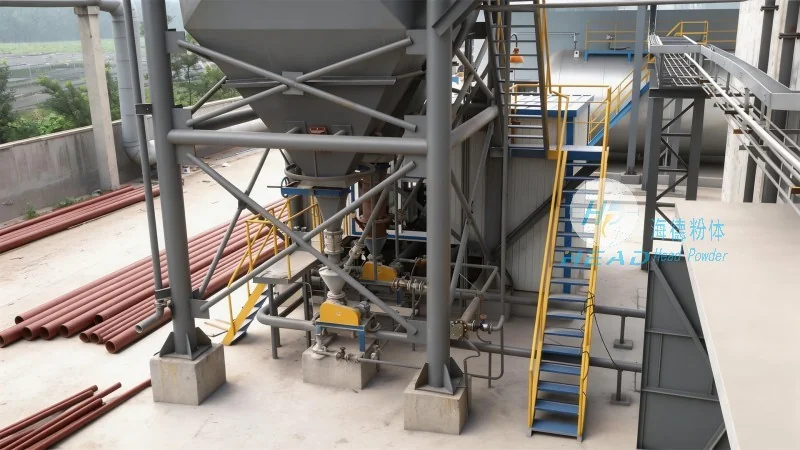
The pneumatic conveying system for manganese carbonate powder operates by introducing the powder into a pipeline through an air stream. The air, typically under pressure, carries the powder particles along the pipeline to the destination point. The system can be categorized into two main types: dilute phase and dense phase. In dilute phase conveying, the powder is dispersed in the air stream, allowing for higher conveying velocities and longer distances. This mode is suitable for transporting powders with a low dust content and where the risk of clogging is minimal. Dense phase conveying, on the other hand, involves a lower air velocity and higher powder concentration, which is suitable for handling more sensitive or abrasive powders like manganese carbonate. The system includes key components such as a feeding device, a conveying pipeline, a separation unit, and a dust collection system. The feeding device ensures a consistent and controlled introduction of the powder into the air stream, preventing blockages and maintaining system efficiency. It may include features like a rotary valve or a star feeder to regulate the flow rate and prevent material buildup. The conveying pipeline is designed to minimize pressure drop and ensure smooth flow of the powder-air mixture. The material of the pipeline, often stainless steel or plastic, is chosen based on the chemical compatibility with the manganese carbonate powder and the operating conditions. The separation unit, often a cyclone or a bag filter, separates the powder from the air, allowing the powder to be collected and the air to be discharged or recycled. The dust collection system ensures compliance with environmental regulations and maintains a clean working environment. It may include a fan or a blower to create the necessary air flow and a filter to capture any remaining particles.
Working Scene Characteristics of the System
The working scene characteristics of a manganese carbonate powder pneumatic conveying system are tailored to meet the specific needs of different industrial environments. For example, in mining and mineral processing facilities, the system is used to transport manganese carbonate from storage silos to processing equipment, such as ball mills or flotation units. The system's ability to handle fine powders without clogging or degradation makes it ideal for these applications. The process involves feeding the powder from a silo into the conveying system, where it is mixed with air and transported to the processing plant. The system can handle large volumes of material, often up to several tons per hour, depending on the design. In chemical manufacturing plants, the system is used to transport manganese carbonate as a raw material for the production of batteries or other chemical products. The system's flexibility allows it to be integrated into existing production lines, minimizing downtime and improving overall efficiency. The powder is conveyed from a storage area to a mixing or reaction vessel, where it is combined with other chemicals. The system's ability to maintain a consistent flow rate ensures that the production process runs smoothly. In environmental remediation projects, the system may be used to transport manganese carbonate for soil stabilization or remediation purposes. The system's ability to handle large volumes of material in a controlled manner makes it suitable for these applications. The powder is applied to contaminated soil, where it helps to bind heavy metals and improve soil quality. The system's design allows for precise application of the powder, ensuring effective remediation. Additionally, the system can be adapted for use in hazardous environments, such as those involving flammable or toxic powders, by incorporating appropriate safety features and materials. This includes explosion-proof components and sealed systems to prevent the release of hazardous substances. The working scene characteristics also include considerations for space constraints and existing infrastructure. The system can be designed to fit into existing facilities, minimizing the need for new construction or major modifications.