

Principle and Working Scene Characteristics of Light-Weight Calcium Carbonate Powder Pneumatic Conve
Light-weight calcium carbonate (LCC) powder is a widely used industrial material, and the efficient transportation of this fine powder is crucial for various manufacturing processes. Pneumatic conveying systems offer a reliable and effective solution for handling LCC powder, ensuring smooth material flow from source to destination. This article explores the fundamental principles behind these systems and highlights the key characteristics of their operational scenarios.
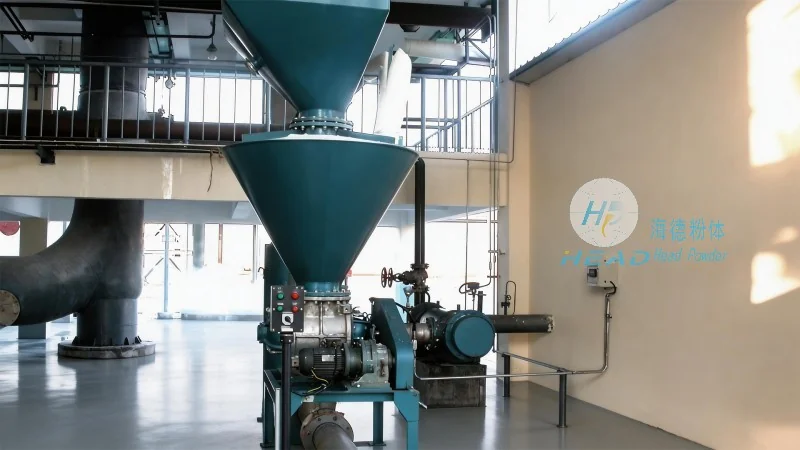
Understanding Pneumatic Conveying Technology
Pneumatic conveying systems utilize air or gas to transport solid particles, such as light-weight calcium carbonate powder, through a pipeline network. The core principle involves creating a pressure differential or using vacuum to move the material. There are two primary types of pneumatic conveying: pressure and vacuum systems. Pressure systems operate by forcing air through the material, while vacuum systems create a negative pressure to draw the powder. For LCC powder, which is often fine and abrasive, the choice of system depends on factors like particle size, moisture content, and the distance of transport.
Key Components of a Pneumatic Conveying System
A typical pneumatic conveying system for LCC powder includes several essential components. These include a material hopper or silo for storage, a feeder to control the flow rate, a conveying line (usually made of stainless steel or other corrosion-resistant materials), a separator to remove air from the powder stream, and a collection bin or silo at the receiving end. The feeder is critical as it ensures consistent material feed, preventing blockages or uneven flow. The conveying line must be designed to handle the specific characteristics of LCC powder, such as its low bulk density and potential for static electricity accumulation. Proper sealing and insulation are also important to maintain the material's quality and prevent contamination.
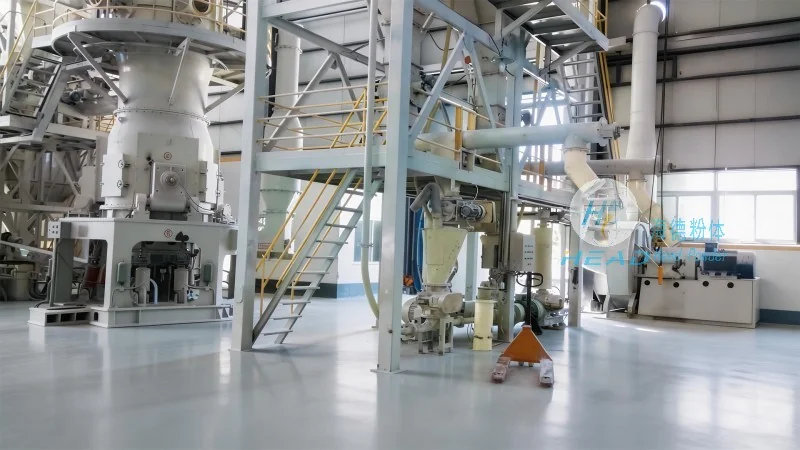
Principle of Operation for Light-Weight Calcium Carbonate Powder
The operation of a pneumatic conveying system for LCC powder begins with the material being fed into the conveying line. The feeder controls the amount of powder introduced, and the air or gas is then introduced to create the necessary flow. In pressure systems, the air is compressed and injected into the line, pushing the powder forward. In vacuum systems, a vacuum pump draws the powder and air mixture into the line, moving it towards the collection point. The velocity of the air is a critical factor; it must be sufficient to keep the powder suspended but not so high as to cause excessive wear on the system components. The system's design must account for the powder's particle size distribution, as finer particles require higher air velocities to remain in suspension.
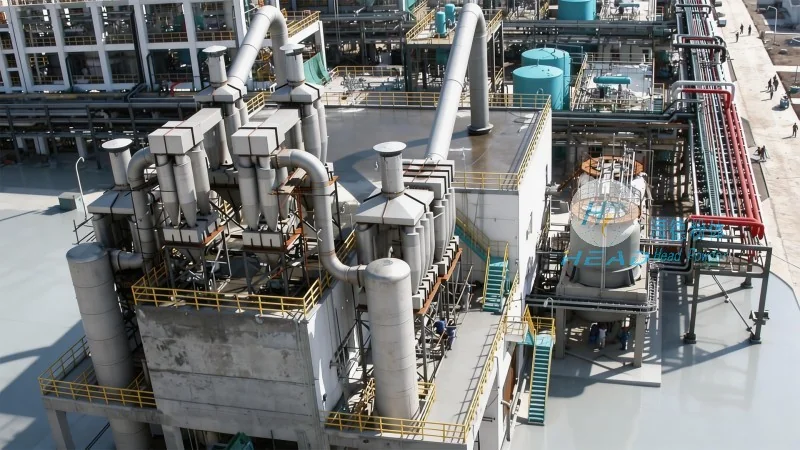
Working Scene Characteristics
The operational characteristics of LCC powder pneumatic conveying systems vary based on the specific application and environment. For example, in the paper and plastic industries, where LCC is used as a filler, the system may need to handle large volumes of powder over long distances. In such cases, a pressure system with multiple conveying lines and intermediate silos is often employed to ensure continuous operation. In contrast, in smaller-scale applications, such as in research laboratories or small-scale manufacturing, a vacuum system with a shorter conveying distance may be sufficient. The working environment also plays a role; systems used in humid or dusty conditions require additional features like moisture control and dust collection to maintain material quality and system efficiency. Furthermore, the system's ability to handle variations in powder flow, such as changes in feed rate or particle size, is essential for maintaining consistent performance. This adaptability is crucial for industries that require stable and reliable material transport.
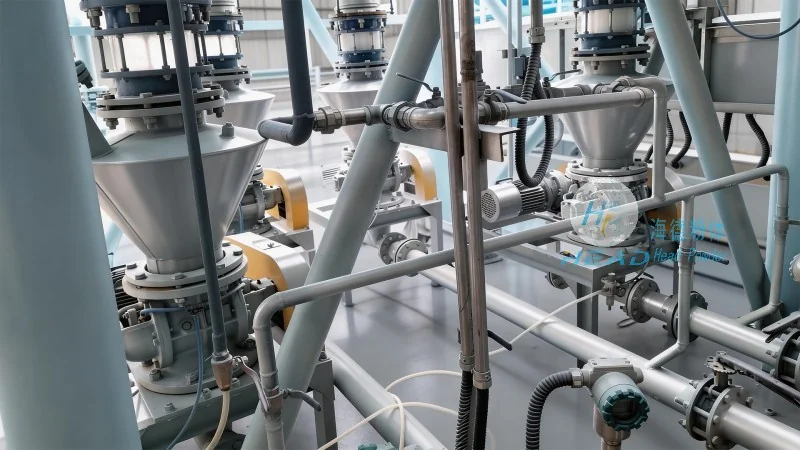
Benefits of Using Pneumatic Conveying for LCC Powder
Implementing a pneumatic conveying system for light-weight calcium carbonate powder offers several advantages. First, it eliminates the need for mechanical components like conveyor belts or screw conveyors, reducing maintenance costs and minimizing the risk of material contamination. The system is also more flexible, allowing for changes in the layout or expansion of the conveying network without major modifications. Additionally, pneumatic conveying can handle fine and abrasive powders more effectively than traditional methods, preventing clogging and wear. The ability to transport LCC powder in a closed system also helps in maintaining hygiene and controlling dust emissions, which is important in industries where product purity is critical. Finally, the system's efficiency in terms of energy consumption and material throughput makes it a cost-effective solution for long-term operation.
About Shandong HeadPowder Engineering Co., Ltd.
Shandong HeadPowder Engineering Co., Ltd., operating under the brand name headpowder, is a leading provider of specialized engineering solutions for powder handling and material transport. With a focus on innovation and quality, the company designs and manufactures pneumatic conveying systems tailored to the unique needs of various industries, including those using light-weight calcium carbonate powder. HeadPowder's expertise lies in understanding the specific challenges of handling fine and abrasive powders, and their systems are engineered to ensure reliable and efficient operation. The company's commitment to customer satisfaction and technical excellence has made it a trusted partner for businesses seeking to optimize their material handling processes. Located in Shandong, China, HeadPowder leverages its local expertise and resources to deliver high-quality products and services to clients worldwide.