

Principle and Working Scene Characteristics of Calcium Chloride Powder Pneumatic Conveying Equipment
Calcium chloride powder, a widely used chemical in various industries such as construction, deicing, and chemical processing, often requires efficient and reliable transportation methods. Pneumatic conveying systems have emerged as a preferred solution for handling calcium chloride powder due to their ability to transport bulk materials over long distances with minimal dust generation and operational flexibility. This article delves into the fundamental principles of calcium chloride powder pneumatic conveying equipment and explores the key working scene characteristics that make it an optimal choice for industrial applications.
Core Principles of Pneumatic Conveying for Calcium Chloride Powder
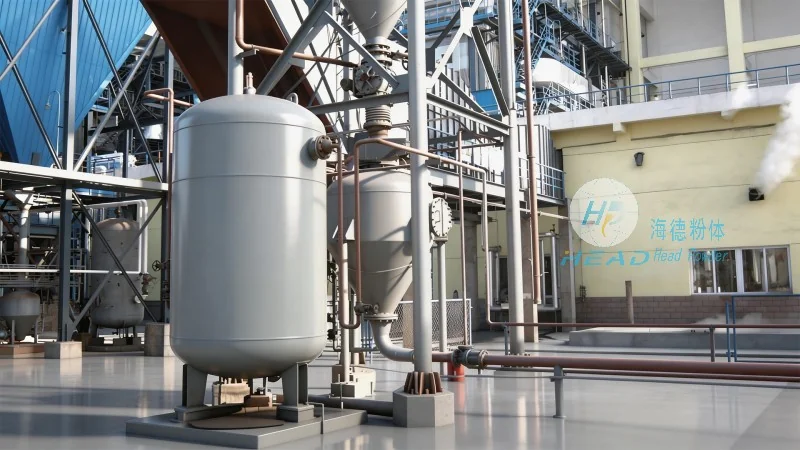
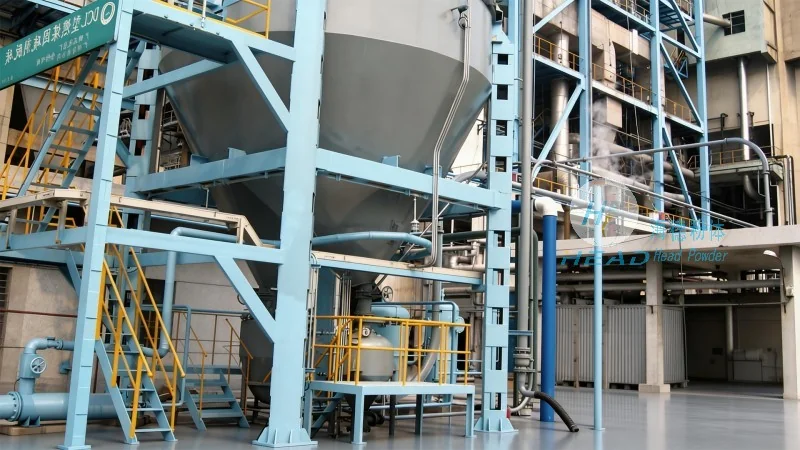
The operation of calcium chloride powder pneumatic conveying equipment is based on the principles of fluid dynamics and material handling. At its core, the system uses compressed air or other gases to transport dry powder particles through a pipeline network. The process involves several critical components, including a feeding hopper, a conveying line, a receiver, and a control system. The feeding hopper ensures a consistent and controlled feed of calcium chloride powder into the system, preventing blockages and maintaining a steady flow rate. The conveying line, typically made of stainless steel or other corrosion-resistant materials, is designed to withstand the chemical properties of calcium chloride while ensuring minimal wear and tear. The receiver, where the material is deposited, is equipped with dust collection systems to maintain air quality and prevent environmental contamination. The control system monitors and adjusts the air pressure, flow rate, and other parameters to optimize the conveying process and ensure efficient operation.
Working Scene Characteristics and Application Scenarios
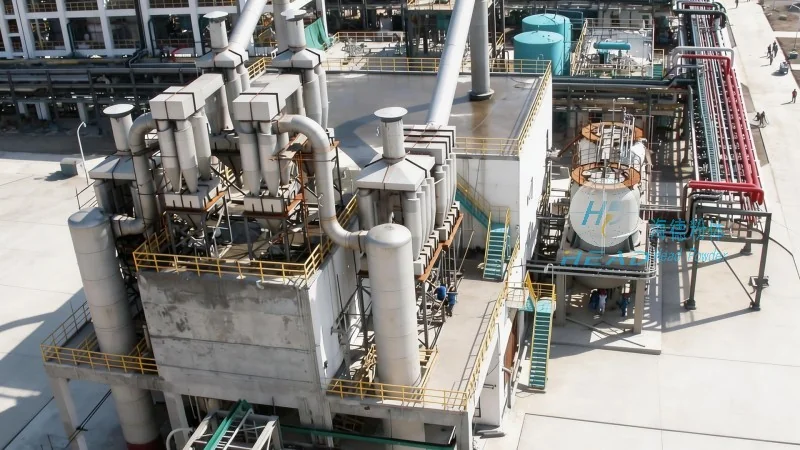
The working scene characteristics of calcium chloride powder pneumatic conveying equipment are tailored to meet the diverse needs of industrial environments. One of the primary advantages is its ability to handle calcium chloride powder in bulk quantities, reducing the need for manual handling and associated safety risks. This is particularly beneficial in large-scale production facilities where calcium chloride is used as a deicing agent or in chemical processing plants where it serves as a raw material. The system's flexibility allows it to be integrated into existing production lines, enabling seamless material transfer between different processing stages. For example, in a construction material plant, the pneumatic conveying system can transport calcium chloride powder from storage silos to mixing stations, ensuring a continuous supply of raw material. In a chemical processing plant, it can move the powder from reaction vessels to storage tanks, maintaining the flow of production without interruptions.
Key Features and Advantages in Real-World Applications
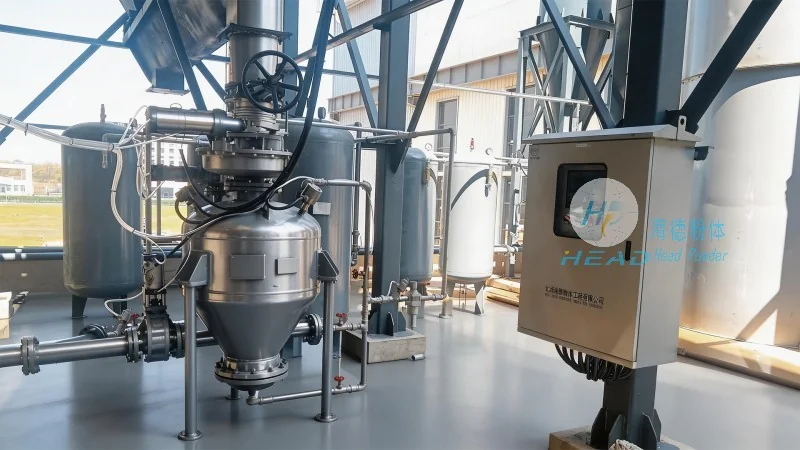
Several key features make calcium chloride powder pneumatic conveying equipment a superior choice for industrial applications. Firstly, the system offers high efficiency in material transport, with the ability to move large volumes of powder over long distances with minimal energy consumption. This is achieved through optimized air pressure and flow rate settings, which reduce the overall operational costs. Secondly, the equipment is designed for low maintenance, with durable components that can withstand the abrasive nature of calcium chloride powder. The use of corrosion-resistant materials, such as stainless steel, ensures longevity and reduces the need for frequent replacements. Thirdly, the system provides excellent dust control, which is crucial in environments where air quality is a concern. The integrated dust collection systems capture fine particles, preventing them from being released into the atmosphere and maintaining a clean working environment. Additionally, the equipment offers operational flexibility, allowing it to be adjusted to handle different particle sizes and flow rates, making it suitable for various calcium chloride formulations.