

Principle and Working Scene Characteristics of Molybdenum Trioxide Powder Pneumatic Conveying Equipm
Molybdenum trioxide (MoO₃) is a critical industrial material widely used in various sectors such as electronics, chemical manufacturing, and aerospace. The efficient handling and transportation of MoO₃ powder are essential for maintaining production efficiency and product quality. Pneumatic conveying systems have emerged as a reliable solution for transporting this fine powder, offering advantages like dust-free operation, low maintenance, and the ability to handle sensitive materials. This article explores the fundamental principles behind molybdenum trioxide powder pneumatic conveying equipment and highlights the key working scene characteristics that make it suitable for industrial applications.
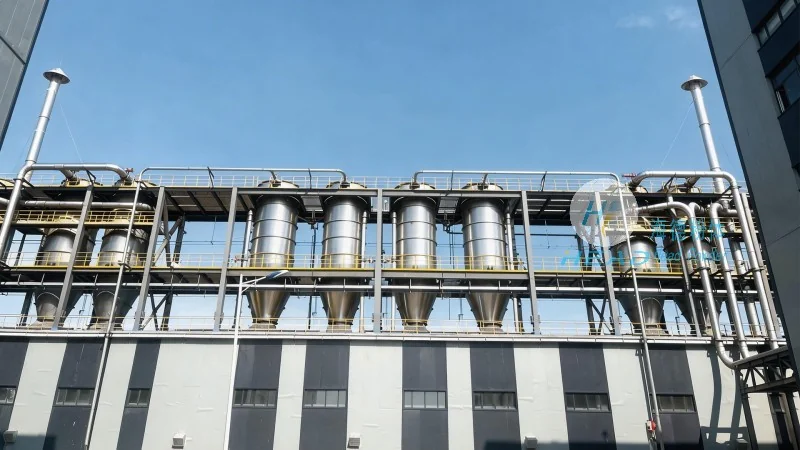
Company Profile: Shandong HeadPowder Engineering Co., Ltd.
HeadPowder, a leading manufacturer in the field of powder handling equipment, specializes in designing and producing advanced pneumatic conveying systems tailored to the needs of various industries. With a strong commitment to innovation and quality, the company has established itself as a trusted partner for businesses requiring efficient and reliable powder transportation solutions. HeadPowder's expertise lies in understanding the unique challenges of handling fine powders like molybdenum trioxide, ensuring that their equipment meets the highest standards of performance and safety. The company's headquarters is located in Shandong, China, where it leverages local resources and expertise to deliver cutting-edge solutions to global markets.
Principle of Pneumatic Conveying for Molybdenum Trioxide Powder
The core principle of pneumatic conveying involves the use of compressed air or other gases to transport solid particles through a pipeline. In the case of molybdenum trioxide powder, the system typically operates under positive pressure, where air is forced through the pipeline, carrying the powder particles along with it. The equipment consists of several key components, including a hopper for material storage, a blower or compressor to generate the necessary air pressure, a pipeline system to guide the flow, and a receiver or discharge point for the material. The design of the system is crucial to ensure efficient and stable conveying, as factors such as particle size, density, and flow rate significantly impact the performance.
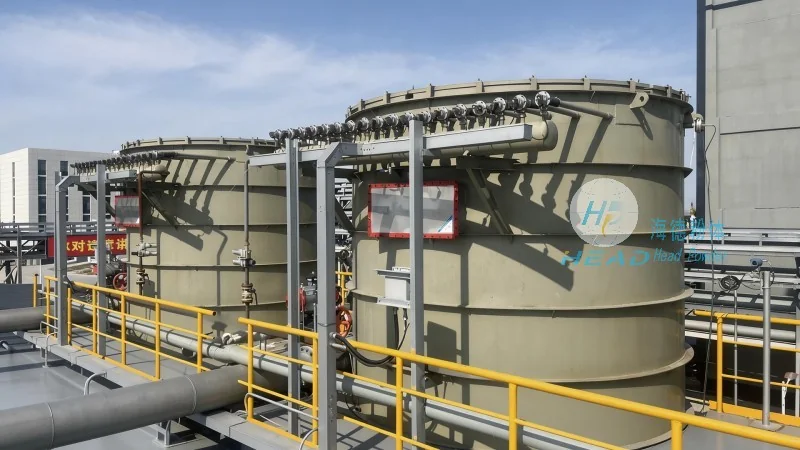
For molybdenum trioxide, which is a fine, high-density powder, the conveying system must be optimized to prevent clogging and ensure consistent flow. The use of appropriate air velocities and pipeline diameters is essential to maintain the suspension of particles in the air stream. Additionally, the system may incorporate features like pulse-jet or rotary valves to control the flow and prevent material buildup. The principle of pneumatic conveying allows for a closed system, minimizing dust emissions and environmental impact, which is particularly important for handling hazardous or sensitive materials like MoO₃.
Working Scene Characteristics of Molybdenum Trioxide Powder Pneumatic Conveying Equipment
The working scene characteristics of molybdenum trioxide powder pneumatic conveying equipment are tailored to the specific requirements of industrial processes. These characteristics include high conveying efficiency, low energy consumption, and the ability to handle large volumes of material. The equipment is designed to operate in environments where dust control is critical, such as in cleanrooms or areas with strict environmental regulations. The closed system design ensures that the powder remains contained within the pipeline, reducing the risk of contamination and exposure to personnel.
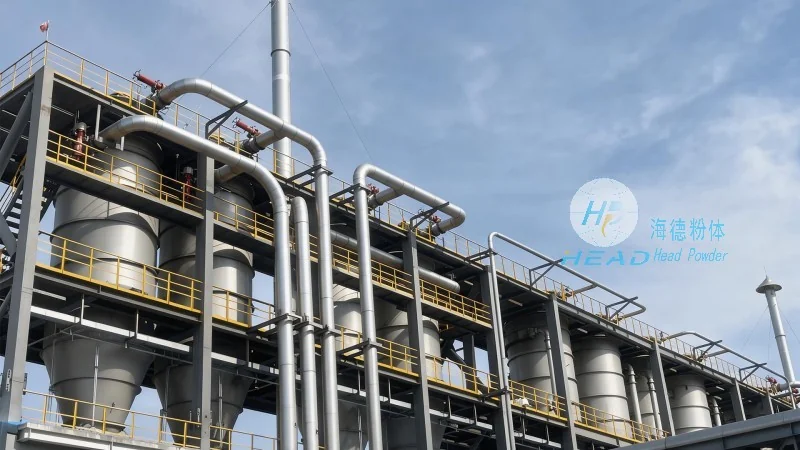
In industrial settings, the equipment is often integrated into existing production lines, allowing for seamless material transfer from storage to processing or packaging stages. The flexibility of pneumatic conveying systems enables them to adapt to varying production rates and material types, making them suitable for both continuous and batch operations. The working scene also includes considerations for material handling safety, as molybdenum trioxide can be hazardous if inhaled or ingested. The equipment is equipped with safety features such as dust collection systems and material containment measures to protect workers and the environment.
Another key characteristic is the ability to handle long-distance conveying without significant material degradation. The system can transport molybdenum trioxide powder over several hundred meters with minimal loss of quality, making it ideal for large-scale industrial applications. The equipment's reliability and low maintenance requirements further enhance its suitability for continuous operation, reducing downtime and operational costs for businesses. Overall, the working scene characteristics of molybdenum trioxide powder pneumatic conveying equipment reflect a balance between efficiency, safety, and environmental responsibility, aligning with modern industrial standards.