

Principle and Working Scenario Characteristics of Rapid Bulk Powder Pneumatic Conveying Systems
HeadPowder, a leading engineering firm based in Shandong, China, specializes in the design and implementation of advanced pneumatic conveying systems for bulk powder handling. This article delves into the core principles behind rapid bulk powder pneumatic conveying lines and highlights the key working scenario characteristics that define their operational effectiveness.
Understanding the Core Principle of Rapid Bulk Powder Pneumatic Conveying
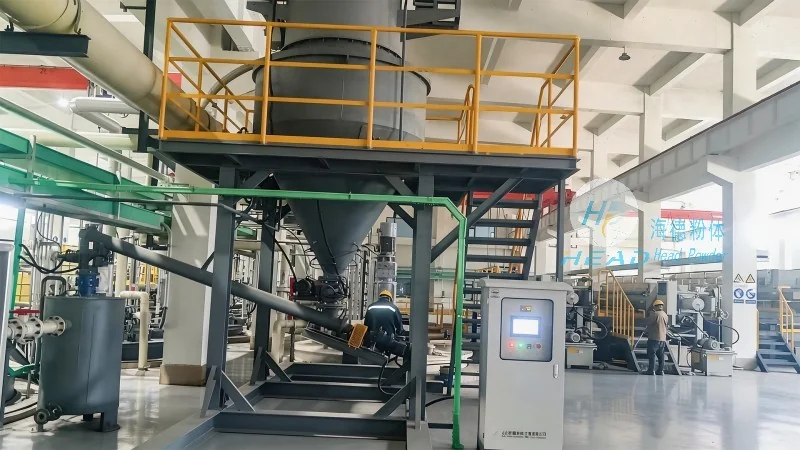
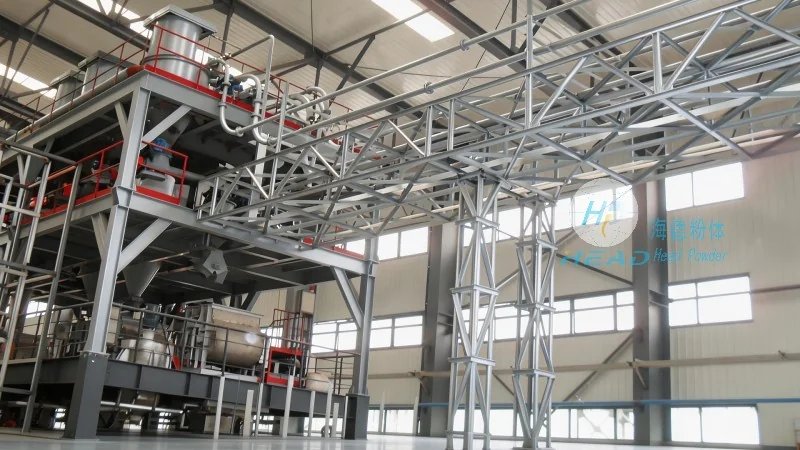
Rapid bulk powder pneumatic conveying systems operate on the fundamental principle of using compressed air or other gases to transport dry powders through a network of pipes. Unlike traditional mechanical conveying methods, which rely on physical contact and friction, pneumatic systems utilize air pressure to create a flow of material. The process typically involves a hopper or storage vessel where the powder is fed into a conveying line. As compressed air is introduced, it creates a low-pressure zone that draws the powder particles into the pipeline. The air-powder mixture then travels through the system, often with the assistance of various components such as cyclones, filters, and control valves, to deliver the material to its destination. This method is particularly effective for materials that are prone to caking, agglomeration, or contamination, as it minimizes direct contact with surfaces and reduces the risk of product degradation.
Key Working Scenario Characteristics of Rapid Bulk Powder Pneumatic Conveying Systems
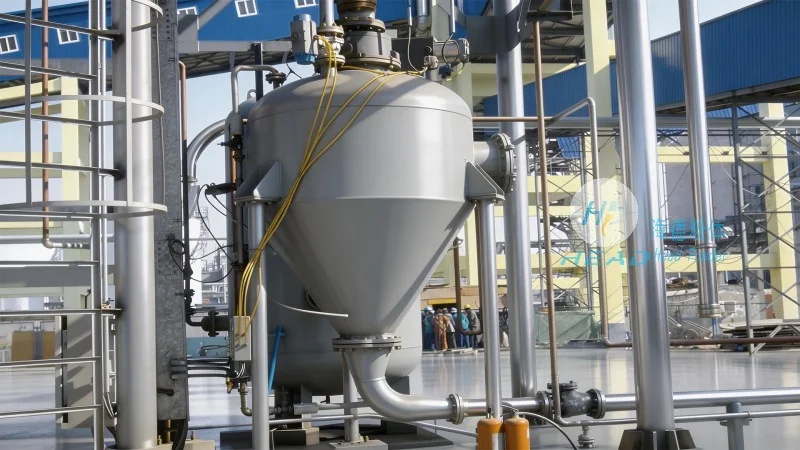
The effectiveness of rapid bulk powder pneumatic conveying systems is heavily influenced by several working scenario characteristics that must be carefully considered during system design and operation. These characteristics include the physical properties of the powder, the required conveying distance and speed, the system's integration with existing production lines, and the environmental conditions of the facility. For instance, the particle size, density, and moisture content of the powder directly impact the air velocity and pressure required for efficient transport. Larger or heavier particles may necessitate higher air speeds or additional equipment like booster fans to maintain flow. Similarly, the distance between the source and destination points dictates the system's design, as longer distances may require multiple stages of compression or the use of larger diameter pipes to minimize pressure loss. Additionally, the system's compatibility with existing industrial processes is crucial; seamless integration with mixing, packaging, or processing equipment ensures smooth workflow and operational efficiency. Environmental factors, such as temperature and humidity, also play a role, as they can affect the powder's behavior and the system's performance over time. By addressing these scenario characteristics, engineers can optimize the system to achieve reliable, high-speed, and low-maintenance powder transport.
Applications and Operational Advantages in Diverse Industries
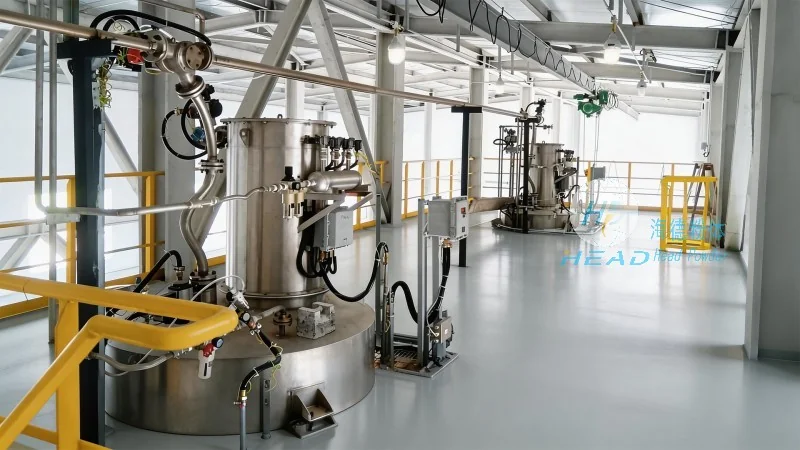
Rapid bulk powder pneumatic conveying systems are widely employed across various industries due to their versatility and efficiency. In the pharmaceutical sector, these systems are used to transport active pharmaceutical ingredients (APIs) and excipients with strict purity requirements, ensuring that the powder remains uncontaminated and free from degradation. The food and beverage industry also benefits from pneumatic conveying, as it allows for the safe handling of ingredients like flour, sugar, and spices without the risk of cross-contamination or product spoilage. In the chemical industry, these systems are essential for transporting raw materials and finished products, particularly those that are hazardous or reactive, as they minimize human exposure and reduce the risk of accidents. The manufacturing sector, including cement, plastics, and ceramics, utilizes pneumatic conveying to streamline production lines, improve material flow, and enhance overall productivity. The operational advantages of rapid bulk powder pneumatic conveying systems include high conveying speeds, which can reduce processing times and increase output; reduced maintenance compared to mechanical systems, as there are fewer moving parts; and the ability to handle a wide range of powder types, from fine powders to bulk materials. Furthermore, these systems are adaptable to different operational needs, allowing for flexible adjustments in flow rates and pressure to meet changing production demands. Overall, the working scenario characteristics and operational advantages make rapid bulk powder pneumatic conveying a preferred choice for industries seeking reliable and efficient powder handling solutions.